
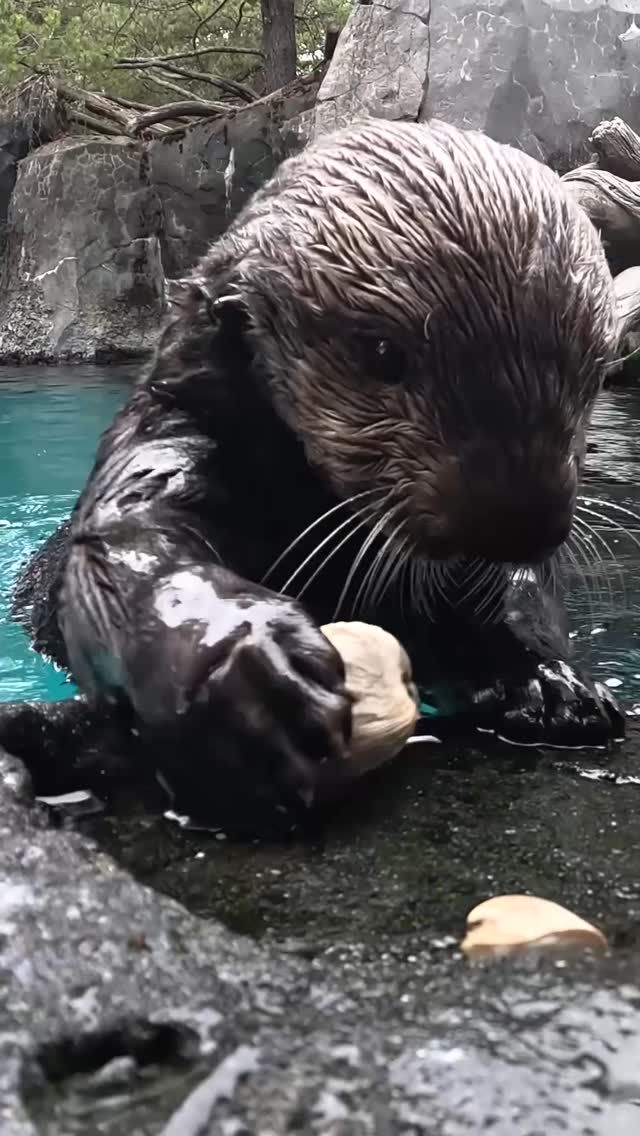
- The biological characteristics and classification of clams
- The ecological significance of clams in marine and freshwater systems
- The impact of human activity on clam populations and habitats
- Conservation strategies for clam species and their environments
- The cultural and economic relevance of clams in global societies
Clams belong to the class Bivalvia, which comprises mollusks characterized by a two-part hinged shell. This diverse group contains thousands of species, categorized into several orders and families. Clams possess a soft body enclosed within a shell made of calcium carbonate. A key biological feature is their siphons, which allow for water intake and filter feeding. Clams filter particles from water, aiding in nutrient cycling in their habitats.
The physiological aspects of clams vary among species. Some clams, such as the Eastern Oyster (Crassostrea virginica), can reach sizes of approximately one foot in length. Other species, like the tiny Faroe Islands clam (Yoldia eightsii), remain much smaller. Clams also exhibit sexual dimorphism, with some being hermaphroditic, allowing them to possess both male and female reproductive organs. This capacity enhances reproductive success in varying environmental conditions.
Clams serve as crucial constituents of both marine and freshwater ecosystems. Their filter-feeding behavior improves water quality by removing excess nutrients and particulates. Moreover, clams contribute to benthic nutrient cycling, promoting soil fertility and supporting diverse biological communities. In sandy or muddy substrates, clam burrows create habitats for smaller organisms, promoting biodiversity.
The ecological roles of clams extend to their interactions with other species. Many animals, including birds, fish, and crustaceans, rely on clams as food sources. Predators such as sea turtles or various species of shorebirds explicitly target clams during foraging. In turn, clams contribute to the stability of food webs, providing important links between primary producers and higher trophic levels.
Yet, clams are not impervious to human activity. Overfishing, climate change, habitat destruction, and pollution have severely impacted clam populations worldwide. The harvesting of clams in both commercial and recreational settings often leads to population declines. The indiscriminate collection of clams can result in not only diminished stocks but also habitat degradation, further threatening remaining populations.
Climate change is a pressing challenge, as rising ocean temperatures and altered salinity levels can affect clam reproduction and overall health. Ocean acidification, driven by increased CO2 levels, poses additional risks by weakening clam shells and making them more susceptible to predation. Similarly, pollution from agriculture and industry can introduce harmful substances into clam habitats, diminishing their populations and affecting ecosystem balance.
Various conservation strategies have been implemented to address declining clam populations and preserve their habitats. These include habitat restoration, establishment of marine protected areas, and sustainable fishing practices. Restoration efforts often focus on rebuilding degraded habitats or creating artificial reefs to enhance clam populations. Marine protected areas serve as refuges for clams, enabling ecosystems to recover from overexploitation.
Incorporating sustainable fishing practices is essential for the long-term management of clam stocks. Regulations on harvesting techniques and quotas can help avoid overfishing. Educating local communities about the importance of clams and sustainable fishing practices fosters stewardship and resilience within local ecosystems. Collaborative efforts involving scientists, conservation organizations, and local stakeholders are crucial for clam conservation.
Clams also hold significant cultural and economic relevance globally. Many coastal communities depend on clam fisheries as a source of livelihood, providing income and nutrition. Clams feature prominently in traditional cuisine, supporting cultural heritage while also attracting tourism. Festivals celebrating clam harvests highlight the cultural connection between communities and their local ecosystems.
On a larger scale, international trade in clams, especially species like the giant clam (Tridacna gigas), has raised concerns regarding sustainable sourcing and ethical practices. Ensuring responsible management of clam populations is vital to prevent exploitation and maintain biodiversity.
Clam habitats also contribute to recreational activities like fishing and clamming, which support tourism economies. Sustainable tourism initiatives can engage communities in protecting these valuable ecosystems while offering visitors unique experiences. This highlights the interconnectedness of ecological health, local economies, and cultural identity in the value of clams.
In examining these diverse facets of clam populations, one can see the necessity of prioritizing their conservation. A holistic perspective addressing ecological, economic, and cultural aspects allows for informed decision-making and responsible management. Collaborative efforts with local communities, regulatory agencies, and conservation organizations stand to benefit not only clams but also the broader ecosystems they inhabit.
Educational initiatives can play a key role in fostering awareness about clam ecosystems, promoting active involvement in conservation efforts. Schools, aquariums, and nature centers can provide resources and programs designed for outreach to engage the community. Furthermore, initiatives to involve youth in clam surveys and habitat restoration can help cultivate the next generation of stewards committed to preserving these vital aquatic resources.
Research continues to inform the conservation strategies necessary for maintaining clam populations and their habitats. Long-term ecological studies allow scientists to monitor population trends, assess threats, and develop appropriate management plans. This ongoing research is critical for adaptively managing clam populations amidst changing environmental conditions.
To summarize, clams encapsulate the intersection of ecological, economic, and cultural significance. Their biological characteristics and roles in ecosystems are critical for understanding the importance of conservation. The impacts of human activities pose significant threats to healthy clam populations, necessitating concerted conservation strategies. Engaging communities and implementing sustainable practices are essential in this endeavor. Through collaboration, education, and research, a future where clam populations thrive alongside healthy ecosystems remains within reach.
*****
Source Description
clam slam
