
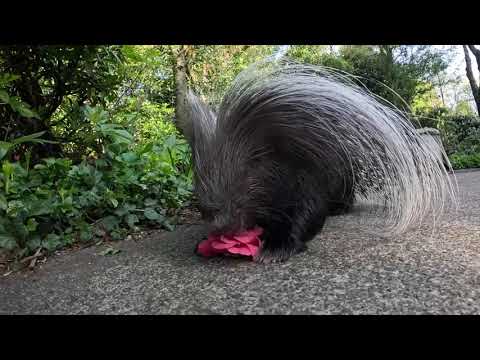
- The biology and behavior of porcupines, focusing on the anatomy and locomotion of these unique creatures.
- The role of enrichment in zoo management and how "pointy power walks" contribute to animal welfare.
- Conservation challenges and strategies for porcupines in the wild and in captivity.
- The significance of monitoring and caring for elderly animals within zoological collections.
- The broader implications of animal care practices for wildlife conservation efforts globally.
Porcupines are fascinating creatures that captivate the interest of zoologists and wildlife enthusiasts alike. Their distinctive quills and unique locomotion make them remarkable subjects of study. This article investigates an intriguing phenomenon: an elderly porcupine taking a "pointy power walk." Through this lens, we explore various facets of porcupine biology, zoo management, and conservation efforts.
At the heart of porcupine anatomy lies a remarkable adaptation: their quills. These modified hairs serve primarily as a defense mechanism against predators. Porcupines are equipped with thousands of these sharp barbs, each capable of deterring foes through a painful encounter. Understanding this anatomy is essential for comprehending their behavior in both wild and captive environments.
Porcupines are generally not fast movers. Their locomotion, while slow and deliberate, is effective for their lifestyle. The skeletal structure and muscle composition allow them to navigate their habitats, primarily focused on foraging for various plant materials. In captivity, observing their movement can provide insights into their health and well-being.
One of the crucial aspects of managing animals in zoos is enrichment. This term refers to activities and structures designed to stimulate animals mentally and physically. A "pointy power walk" serves as an excellent enrichment activity for porcupines. It encourages movement, enhances physical condition, and promotes natural behaviors, crucial for overall health.
Zoo management experts emphasize the importance of creating environments that mimic natural conditions. For porcupines, this might include rugged terrains or logs for climbing. Despite their solitary nature, porcupines appreciate environmental changes that challenge their abilities and break the monotony of captivity.
Ageing animals present unique challenges and learning opportunities. Elderly porcupines require specialized care to address age-related health issues like arthritis or dental problems. Monitoring their physical activity, such as regular walks, becomes essential for assessing their health. Improved care for senior animals reflects the progress in zoo management towards holistic well-being.
Conservation efforts for porcupines vary depending on species and region. Factors such as habitat loss, poaching for quills, and human-wildlife conflict pose significant threats. In captivity, breeding programs play a pivotal role in safeguarding genetic diversity. Close cooperation between zoos and conservation organizations fosters an exchange of knowledge and resources, critical for species preservation.
Understanding the significance of porcupine conservation extends beyond the individual animal. Ensuring the survival of each species contributes to ecological balance. Porcupines, as herbivores, often influence plant dynamics within their ecosystem. By conserving them, we preserve an integral component of biodiversity.
The practice of monitoring elderly animals serves as a template for broader conservation strategies. It emphasizes the need for individualized care and attention to detail, fostering improved survival rates and quality of life. Applying these principles in the wild can aid threatened species facing similar challenges.
Porcupines may not top the list of charismatic megafauna, yet their presence in an ecosystem is invaluable. Educational programs in zoos can raise awareness and inspire conservation efforts. Public engagement in conservation strategies elevates these initiatives and drives policy change.
In conclusion, examining an elderly porcupine taking a "pointy power walk" unveils insights into the intricate relationship between anatomical features, zoo management practices, and conservation strategies. By focusing on enrichment, tailored care for aging animals, and broader conservation implications, we recognize and value the interconnectedness of these topics. Such understanding can catalyze further research and awareness, ultimately benefiting porcupines and diverse species across the globe.
*****
Source Description
Sharpie’s power walks are always on point
As an elderly porcupine, Sharpie gets a lot of special treatment from his care staff. That includes regular power walks around the zoo to stay sharp!
