
- The biology and habitat preferences of the Gray-banded Kingsnake.
- Reasons for its nickname, the “gray ghost,” and behavioral traits.
- The role of the Gray-banded Kingsnake in its ecosystem.
- Conservation challenges and efforts related to the species.
- Educational initiatives surrounding the Gray-banded Kingsnake and its significance.
The Gray-banded Kingsnake (Lampropeltis alterna) is a striking and fascinating species that is often called the “gray ghost” due to its elusive nature. Found primarily in the rocky regions of Texas and nearby states, this snake exhibits particular habitat preferences that directly affect its survival and behavior.
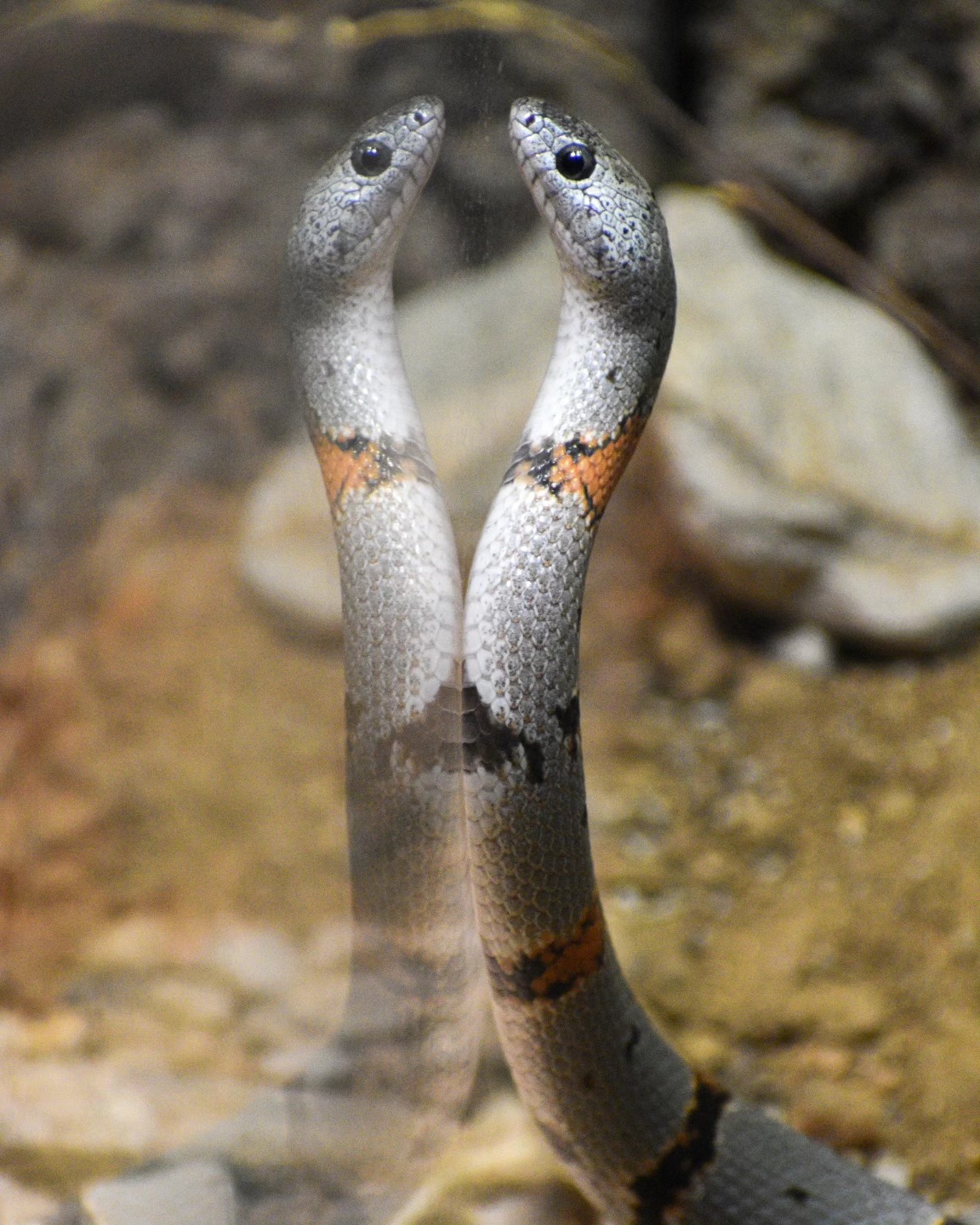
The biology of the Gray-banded Kingsnake is characterized by its distinct coloration and pattern. The base color is typically gray, interspersed with bands of cream or yellow. Adults can grow to approximately 2-4 feet in length, making them a relatively small colubrid snake. Their physical features—including smooth scales and a slender body—allow them to navigate their rocky habitats with ease. Unlike many other snake species, Gray-banded Kingsnakes are non-venomous and rely on constriction to subdue their prey, which consists mainly of small rodents, lizards, and other snakes.
Habitat preferences for this species are closely tied to its morphological adaptations. Gray-banded Kingsnakes occupy areas with rocky outcrops, dense underbrush, and minimal human disturbance. They tend to be found at higher elevations, often favoring mountainous and semi-arid regions. These environments provide ample hiding spots from both predators and human intrusion. The availability of crevices and burrows allows these snakes to thermoregulate effectively, retreating from extreme temperatures that can be detrimental to their health.
The nickname “gray ghost” serves not only as a clever moniker but also speaks volumes about the behavioral traits of this species. Gray-banded Kingsnakes are primarily nocturnal, emerging during the cooler hours of the night to hunt or bask in the moonlight. Their natural camouflage allows them to blend seamlessly into their surroundings, making them difficult to spot for both potential predators and curious wildlife enthusiasts. This elusive nature contributes to their mystique in the herpetological community, making encounters with them relatively rare.
The ecological role of the Gray-banded Kingsnake is crucial to maintaining the balance within its habitat. As both predators and prey, these snakes contribute to the regulation of rodent and lizard populations. By consuming rodents, they help control the population of these small mammals, which could otherwise overpopulate and devastate local vegetation. Likewise, they themselves serve as food for larger predators such as hawks and larger snakes. This interconnectedness within the ecosystem underscores the importance of understanding the species and its interactions with other organisms.
Despite its significant ecological role, the Gray-banded Kingsnake faces various conservation challenges. Habitat destruction stemming from urbanization, agriculture, and logging poses a constant threat. As human activities encroach upon their natural habitats, Gray-banded Kingsnakes find their living quarters diminished, leading to fragmented populations. This fragmentation can reduce genetic diversity, making it more difficult for these snakes to adapt to environmental changes.
Moreover, road mortality is a significant hazard for Gray-banded Kingsnakes. As they move between rocky outcrops or cross roads to hunt or mate, many fall victim to vehicles. Such incidents exacerbate the decline of local populations and highlight the need for increased awareness and protective measures.
Conservation efforts are underway to address these challenges. Organizations focused on wildlife preservation are working to protect and restore the habitats critical for the survival of the Gray-banded Kingsnake. This includes the establishment of conservation reserves and the implementation of regulations to minimize habitat disturbance. Furthermore, public education campaigns aim to raise awareness about the importance of this species and the role it plays within its ecosystem. Such initiatives emphasize the necessity of protecting even the most elusive species, like the Gray-banded Kingsnake.
Educational initiatives surrounding the Gray-banded Kingsnake aim to foster a deeper appreciation for this species and its habitat. Schools and nature centers frequently host workshops and presentations to educate the public about the species’ biology and significance in the ecosystem. By emphasizing the snake’s role in pest control, for example, these programs illustrate how protecting the Gray-banded Kingsnake indirectly benefits agricultural interests as well.
Zoos and wildlife parks also play an integral role in raising awareness. Institutions such as the Fort Worth Zoo work tirelessly to create exhibits that display the natural behaviors of the Gray-banded Kingsnake. Educational signage often highlights their unique adaptations, conservation issues, and calls for action to protect their habitats. Engaging with the community allows these institutions to connect people with wildlife, leading to increased support for conservation measures.
The Gray-banded Kingsnake exemplifies how important it is to conserve species that may not always be in the spotlight. Its elusive nature and essential ecological role emphasize the need for a holistic approach to wildlife conservation. As humans continue to influence the environment, understanding and valuing each component of the ecosystem becomes more critical than ever. Through continued education, research, and conservation efforts, we can ensure the survival of the Gray-banded Kingsnake for generations to come.
*****
Source Description
🐍Seeing Double🐍
The Gray-banded Kingsnake is often called the “gray ghost” for its extreme elusiveness | 📷 at the @fortworthzoo
