
- Ungulates: A Classification Overview
- Odd-Toed vs. Even-Toed Ungulates
- Habitat and Distribution of Ungulates
- Behavioral and Social Characteristics of Ungulates
- Conservation Status and Efforts for Ungulates
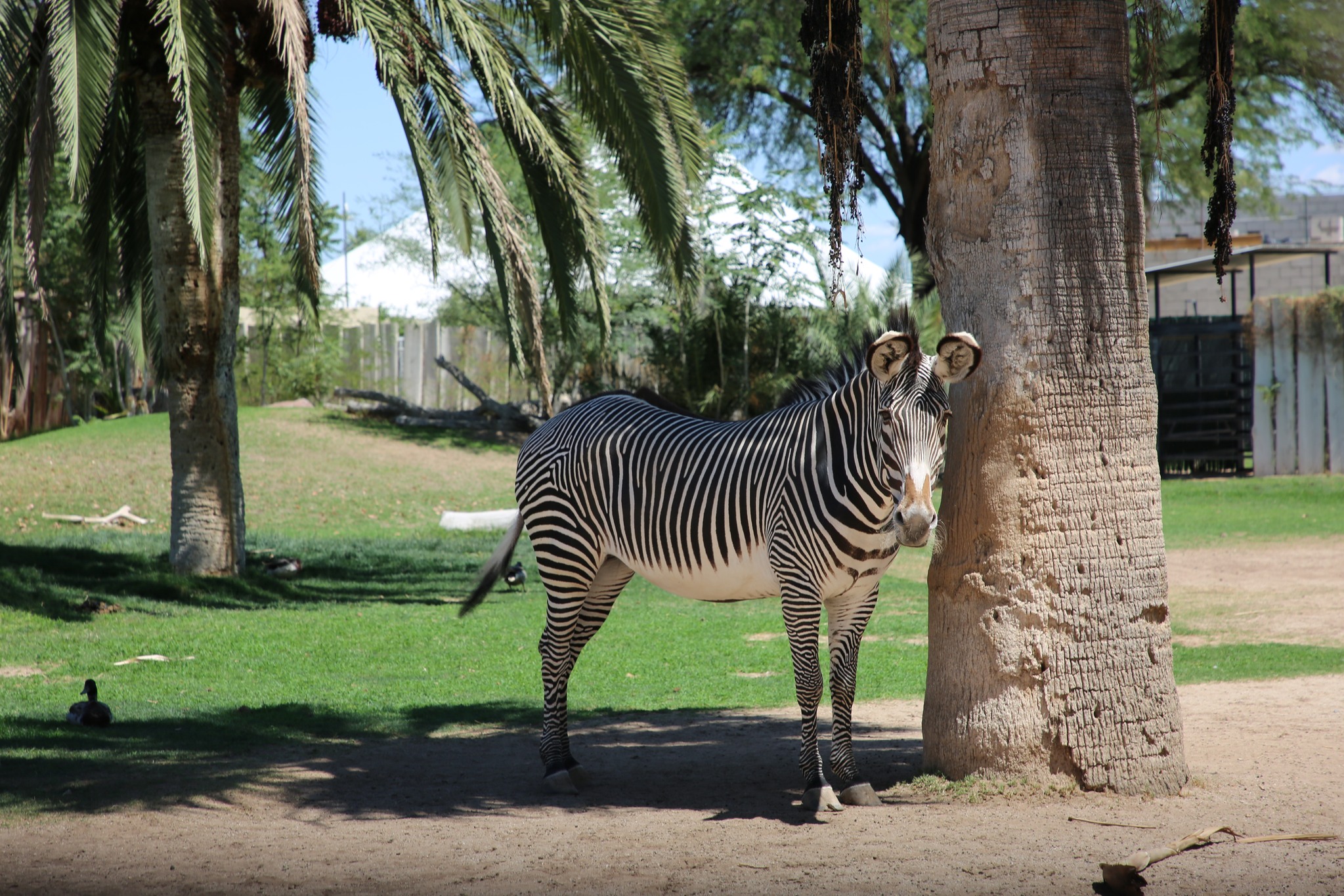
Ungulates represent a diverse group of hoofed mammals. They are classified based on the number of toes on their feet, leading to two main categories: odd-toed and even-toed ungulates. This classification is significant because it encompasses a broad spectrum of species with varying ecological roles. Among the odd-toed ungulates, zebras walk on one toe, while rhinoceroses typically walk on three toes. On the other hand, even-toed ungulates include species like blue duikers and goats, which exhibit different adaptations and lifestyles.
Odd-toed ungulates primarily belong to the order Perissodactyla. This group includes horses, zebras, rhinoceroses, and tapirs. The odd number of toes influences the structure of their limbs, which enhances their speed. Horses, for instance, are adapted for running and exhibit elongated limbs with a single weight-bearing toe, providing a combination of strength and speed. Zebras, similarly, display adaptations suited for their lifestyles, thriving in the open grasslands of Africa.
Even-toed ungulates belong to the order Artiodactyla, which includes species such as cattle, pigs, deer, and goats. These animals typically possess an even number of toes, usually two, which allows for different modes of locomotion. The structure of their limbs is conducive to stability, making them excelsior for foraging in diverse habitats. Evolution has led to adaptations that help them survive and thrive in various environments, from dense forests to arid deserts.
The habitats of ungulates are immensely varied. Odd-toed ungulates are strongly represented in areas like savannas or grasslands, where they often graze on grasses. Zebras are endemic to the African plains, utilizing their swift legs to escape predators while forming herds for social structure and safety. Rhinos, larger and more solitary, inhabit various areas including grasslands and forest edges, relying on their strong sense of smell to navigate dense vegetation.
Even-toed ungulates exhibit a wide range of habitats. Deer species, for example, prefer woodland areas, where their browsing habits allow them to feed on leaves, fruits, and nuts that are plentiful in such ecosystems. Goats are versatile and can thrive in rugged terrains, adept at climbing steep landscapes. Blue duikers, much smaller in size, occupy the undergrowth of African forests, where their coloration and stealth allow them to evade larger predators. The adaptability across these habitats serves as a testament to the evolutionary success of ungulates.
Behaviorally, ungulates display fascinating social structures. Odd-toed ungulates like zebras are known for their complex social interactions. They form harems or family groups, fostering social bonds that enhance their survival against predators. In contrast, rhinoceroses are often solitary, using scent-marking as a method for establishing territory. Their behavior is generally driven by their need for space and resources, leading to less socialization compared to other ungulates.
Even-toed ungulates also exhibit rich behavior patterns. Many species, such as deer, form herds for protection, navigating risks in their environment together. Their social structures can be matriarchal, with females leading the group for foraging and movement. Species like goats are more inclined towards small, protective groups. Their climbing abilities not only help in evading threats but also influence their nutrient acquisition, as they can access food sources beneath overhanging cliffs or out of reach of larger competitors.
Conservation is a critical aspect for both odd-toed and even-toed ungulates. Many species face significant threats due to habitat loss, poaching, and climate change. The International Union for Conservation of Nature (IUCN) categorizes several ungulate species as endangered or vulnerable. For instance, both the Javan and Sumatra rhinoceroses are critically endangered, primarily due to poaching for their horns and loss of habitat from agricultural expansion.
Efforts to conserve ungulates are focused on various fronts. Protected areas and national parks serve as sanctuaries, halting the encroachment of human activities that threaten their survival. Initiatives often include anti-poaching patrols and community education programs aimed at elevating awareness regarding the ecological importance of these species. Collaborative strategies involving local communities can foster coexistence, ensuring both populations of ungulates and human communities thrive.
Research plays a significant role in ungulate conservation. Long-term monitoring of populations helps in understanding species behaviors and migration patterns. Telemetry studies facilitate insights into the movements of these animals, leading to informed conservation efforts. Additionally, genetic studies can help identify population health, informing breeding programs designed to enhance genetic diversity.
Ungulates also contribute significantly to their ecosystems through their roles as grazers and browsers. By consuming vegetation, they help maintain the balance within their habitats. Grazing ungulates, for instance, influence grassland dynamics, promoting plant diversity and providing habitats for numerous other species. Their ecological influence underscores the interconnectedness of various life forms within ecosystems.
The study of ungulates extends beyond their biological and environmental aspects. It encompasses a deeper understanding of human-animal interactions. Ungulates have held cultural significance in many societies, symbolizing strength or serving as integral parts of agricultural economies. Traditional practices involving these animals continue to shape livelihoods across the globe. However, the changing dynamics of land use and its repercussions on ungulate populations necessitate a re-evaluation of human perspectives.
The future of ungulates will depend on integrative conservation strategies that not only focus on protecting these animals but also on accommodating human needs. Sustainable practices within agriculture and land management can help mitigate habitat fragmentation and promote biodiversity. Education remains a powerful tool in fostering appreciation for ungulates and their contributions, crucial for promoting conservation efforts.
Through a combination of habitat protection, community involvement, and scientific research, there remains hope for the survival of ungulate species. Their resilience, adaptability, and ecological importance make them a compelling subject of study within zoology and wildlife conservation. As custodians of these ecosystems, society has a responsibility to enact change for the preservation of ungulates and the balance of their habitats. The understanding of ungulates, encompassing their classifications, behaviors, and conservation needs, is essential in promoting sustainable coexistence with these remarkable creatures.
*****
Source Description
It’s An ungulate is a hoofed mammal, and they are split between two distinctions: “odd-toed” and “even-toed”. Both zebras and rhinos are odd-toed ungulates walking on one and three toes, respectively. While blue duikers, and goats are even-toed ungulates.
