
- Overview of Wildlife in Zoos
- The Importance of Nighttime Behavior in Animals
- Strategies for Zoo Management and Wildlife Conservation
- Engaging the Public: The Role of Education and Events
- The Future of Zoos and Wildlife Conservation
Zoos serve as more than mere attractions; they play a critical role in the conservation of wildlife and in educating the public about the importance of biodiversity. The phrase “Go wild all day and party all night!” captures the essence of zoo life, where educational activities, animal behaviors, and vibrant gatherings come together to foster a deeper understanding of wildlife. Exploring wildlife during day and night activities offers insights into how animal behavior varies and how these differences can inform effective conservation practices.
Wildlife in zoos represents a diverse range of species, many of which are threatened in their natural habitats. Understanding how these animals behave is essential for their care and for developing successful breeding programs. For example, diurnal animals, like many primates, are active during the day, showcasing their social interactions, foraging behaviors, and grooming rituals. On the other hand, nocturnal animals, such as many big cats and certain rodents, exhibit behaviors that are suited for the dark. They rely on heightened senses to navigate their environments, find food, and avoid predators.
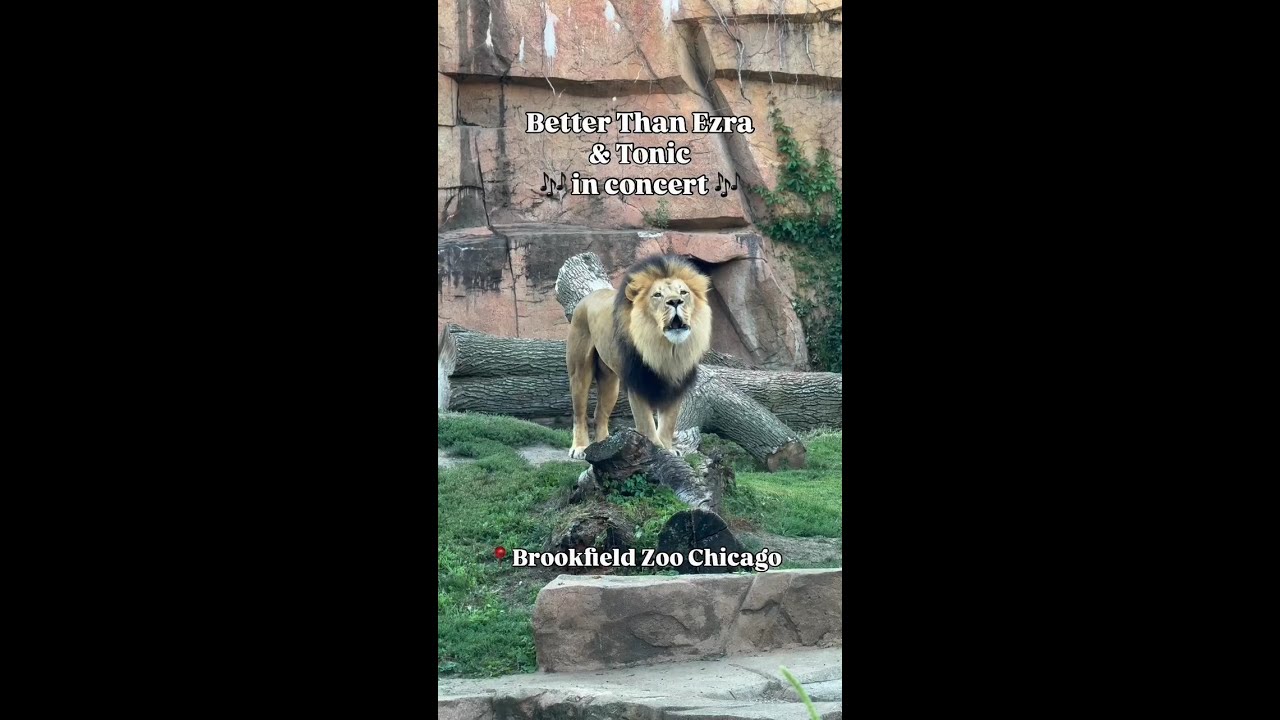
The importance of observing both daytime and nighttime behavior cannot be overstated. During the day, a zoo visitor might witness a lion basking under the sun, showcasing its impressive mane. At night, the same lion may become more active, engaging in hunting behaviors. This change in activity levels offers a more complete understanding of their natural instincts, allowing zookeepers to create environments that mimic their wild counterparts. Such considerations are vital for animal welfare.
Zoo management practices continuously evolve to reflect the latest research in animal behavior and welfare. The focus is shifting from traditional exhibition-style habitats to more immersive environments that promote natural behaviors. Enclosure design is pivotal; it must provide adequate space, enrichment, and social opportunities for animals. Zookeepers often employ specific strategies such as camouflage, sensory stimuli, or novel food presentation techniques to encourage animals to express natural behaviors.
Moreover, animal welfare assessments increasingly incorporate behavioral data to gauge the success of these management strategies. Identifying stress indicators, such as pacing or excessive vocalization, can lead to immediate changes in animal care. The overall goal is to promote a healthy and dynamic living environment that aligns as closely as possible with wild conditions.
Public engagement is also a crucial element of effective wildlife conservation. Zoos serve as an educational platform, raising awareness and understanding about the challenges animals face in their habitats, such as habitat loss, poaching, and climate change. Engaging exhibitions and educational programs help visitors connect emotionally with animals and understand the importance of conservation efforts. Events like “Go wild all day and party all night!” not only provide entertainment but also offer insightful discussions, interactive displays, and opportunities to learn from experts in the field.
Special events designed around wildlife can create deeper engagement. For instance, night tours allow visitors to experience the zoo after dark, highlighting the unique behaviors of nocturnal species and offering firsthand learning experiences. These tours can incorporate discussions about nocturnal adaptations, explaining how animals like owls and bats navigate and thrive in their environments.
Furthermore, such events can directly contribute to conservation funding. Proceeds from ticket sales often go towards in-situ conservation efforts that protect ecosystems and wildlife outside of zoo environments. By participating in these events, visitors contribute to broader conservation strategies, creating a sense of community and responsibility toward wildlife protection.
The future of zoos hinges on maintaining relevance in a rapidly changing world. As urbanization continues to rise, issues surrounding habitat loss become more pressing. Zoos have a critical role in acting as conservation hubs, supporting educational initiatives that spread awareness about wildlife threats and solutions. Collaborations with universities, research institutions, and conservation organizations enhance the overall effectiveness of conservation strategies.
The integration of technology is another exciting avenue for the future of zoos. Virtual reality experiences provide immersive educational opportunities, allowing visitors to “visit” wild habitats. This technology enables individuals to empathize with endangered species and understand their plight. Integrating technology into educational programs offers an interactive platform that resonates with younger audiences, making conservation issues more accessible and engaging.
As efforts to conserve wildlife continue, the synergy between zoos, educational initiatives, and habitat protection will determine the effectiveness of conservation strategies. Every stakeholder has a role in this endeavor—from zookeepers and researchers to visitors and community members.
Caring for animals in captivity requires a commitment to understanding their biology, behaviors, and ecology. Animal care professionals undergo extensive training to ensure they are equipped to manage the varying needs of different species. Emphasizing a scientific approach not only optimizes animal care but also sets the foundation for successful breeding programs, often employing genetic management to maintain healthy populations.
As the public becomes increasingly aware of wildlife issues, zoos can act as ambassadors for species and ecosystems at risk. Developing partnerships with local communities and conservation organizations strengthens the message that everyone can contribute to safeguarding wildlife and their habitats. Community-led conservation projects present powerful opportunities for individuals to engage and directly impact local ecosystems.
The phrase “Go wild all day and party all night!” captures more than just a call for celebration; it symbolizes the dual commitment to education and conservation that defines successful zoos. Engaging activities, immersive experiences, and informative discussions are vital components of this mission.
Zoo events geared toward education can also involve collaboration with local schools, where students participate in hands-on activities related to animal care and conservation. By involving youth in such initiatives, zoos cultivate the next generation of wildlife advocates who recognize the value of biodiversity and the importance of preserving it.
Animal behavior studies complement zoological management strategies. These studies yield insights that inform habitat design, nutrition, and social groupings. For example, understanding the social dynamics of elephants can enhance the design of exhibit spaces that mimic their natural herd structures, fostering healthier interactions and reducing stress.
The need for continuous research and adaptation is underscored by wildlife populations in decline due to various anthropogenic pressures. Captive breeding programs, often facilitated by zoos, emerge as a vital tool for saving endangered species. The successful reintroduction of species like the Arabian oryx and California condor showcases the significant impact that zoos can have on wildlife conservation efforts. These initiatives often involve habitat restoration in conjunction with breeding and release, emphasizing a holistic approach to conservation.
Conservation is a shared responsibility, and public interest is critical in rallying support for these efforts. Awareness campaigns that highlight the plight of endangered species can mobilize communities, fostering greater appreciation for wildlife. Engaging storytelling and visual media campaigns amplify these messages, reaching wider audiences and promoting action.
Wildlife has a crucial role in maintaining ecological balance and ensuring the sustainability of ecosystems. Events that encourage public participation in conservation efforts contribute to broader environmental stewardship. By providing opportunities for volunteer efforts, such as tree planting or habitat clean-ups, zoos empower individuals to take meaningful action.
The comprehensive approach to managing zoos and engaging the public can create a symbiotic relationship that benefits both wildlife and humans. As the conversation on conservation expands, it’s essential for zoos to adapt and respond to emerging challenges. These challenges can involve climate change, the spread of invasive species, and evolving public expectations regarding animal welfare and conservation practices.
Strategies that involve community engagement, education, and advanced science can drive successful outcomes in both zoo management and wildlife conservation. By emphasizing a collective commitment to addressing these challenges, the narrative of “Go wild all day and party all night!” reflects a vibrant ethos of excitement and responsibility that resonates through every aspect of modern zoological practice.
With wildlife facing increasing challenges, the knowledge shared through informative events, combined with the active participation of communities, helps to pave the way for a sustainable future. Conservation is not merely a task for scientists and zookeepers; it requires the involvement of every individual who cares about the planet and its inhabitants. By embracing this collaborative spirit, we can truly make a difference in preserving the rich tapestry of life on Earth.
*****
Source Description
