
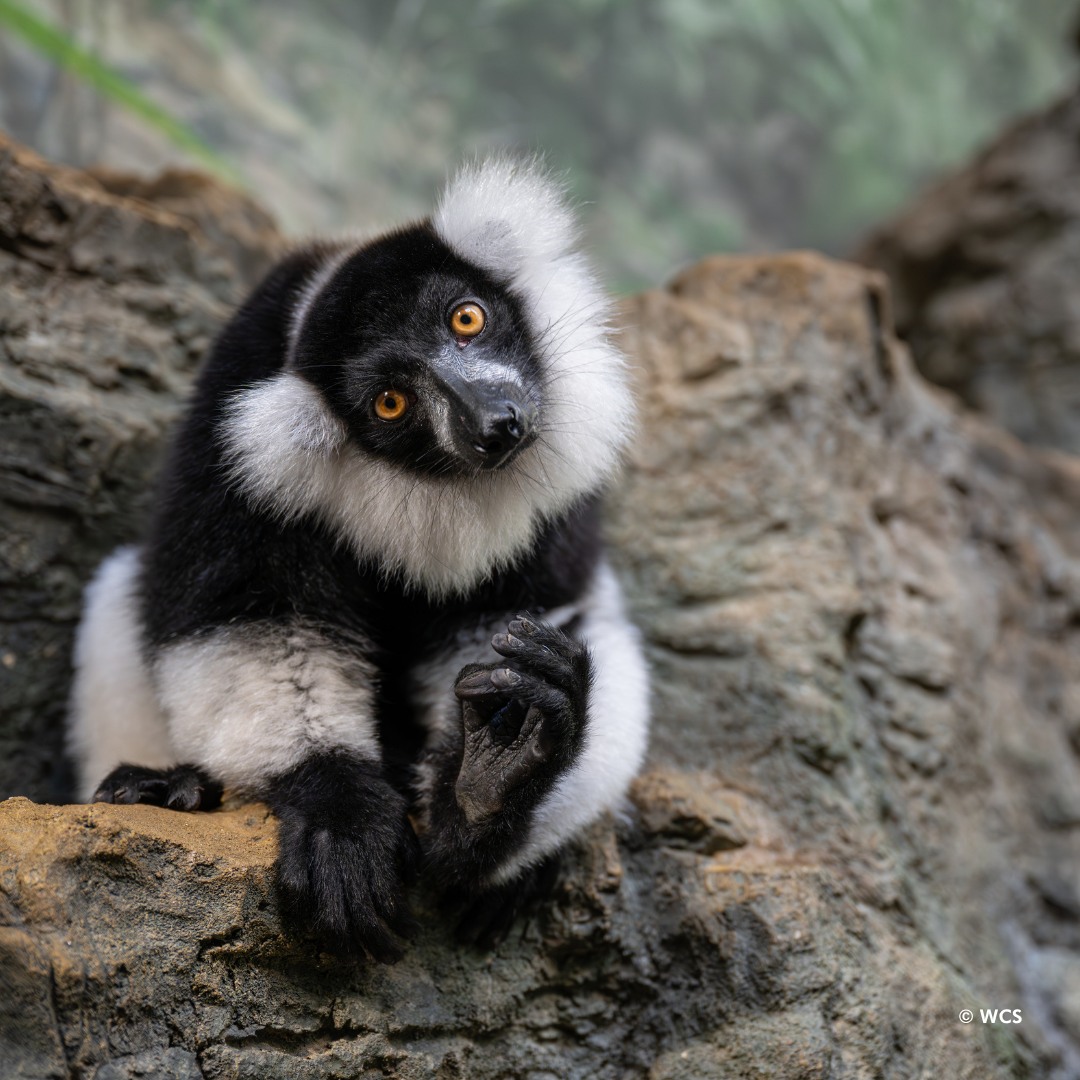
- Black and white ruffed lemurs as vital pollinators in Madagascar
- The ecological role of lemurs in rainforest health and regeneration
- Their feeding behavior and interactions with native flora
- Conservation challenges facing black and white ruffed lemurs
- Captive breeding and efforts for their preservation at zoos
Black and white ruffed lemurs, scientifically known as Varecia variegata, are not just fascinating primates; they also hold the title of the largest pollinators in their habitat. Native to Madagascar, these lemurs play an indispensable role in maintaining the health of their ecosystem. Their unique adaptations and behaviors contribute significantly to the pollination of various plants. While foraging for nectar from flowers, the pollen often sticks to their faces, which helps in transferring this vital substance to other plants, thus aiding their reproduction. In turn, the vibrant rainforest, rich with biodiversity, relies heavily on these animals for its sustenance.
Lemurs, including the black and white ruffed species, have complex interactions with their environment. They primarily occupy the canopy layer, which allows them to access flowering plants that thrive in this upper tier of the forest. Feeding on nectar is a critical dietary requirement for these lemurs. As they visit flowers for sustenance, the lemurs contribute to cross-pollination. This is essential in promoting genetic diversity among plant populations, which supports resilience against diseases and changing environmental conditions. Many of the trees that these lemurs help to pollinate are endemic to Madagascar and face threats from habitat destruction.
The feeding behavior of black and white ruffed lemurs is fascinating. They are known for their loud calls, which serve as both social communication and territory marking. Their preference for ripe fruits and nectar differentiates them from other lemur species, creating a specialized niche. This dietary habit also means they must navigate through their environment, seeking out specific flowers that bloom during different times of the year. In turn, they foster a relationship that is mutually beneficial, as flowering plants depend on these primates to propagate and thrive.
Despite their critical role, black and white ruffed lemurs face numerous conservation challenges. Deforestation, driven by agriculture and illegal logging, threatens their habitats. As Madagascar loses forest cover, the availability of flowering plants diminishes, thereby decreasing food sources for these lemurs. This loss negatively impacts the entire ecosystem, further stressing the importance of these animals in maintaining the health of the rainforest. Additionally, climate change poses a risk by altering the blooming cycles of flora, thus affecting pollination dynamics.
Conservation efforts have grown increasingly vital in protecting these remarkable creatures. Various organizations are working diligently to address habitat degradation. Initiatives include habitat restoration projects and community-based conservation programs aimed at educating local populations about the importance of protecting their native wildlife. In many cases, including zoos and wildlife centers, captive breeding programs are being implemented. These programs not only help to maintain genetic diversity but also serve as educational platforms to raise awareness about the species and its plight.
Captive breeding efforts for black and white ruffed lemurs focus on creating sustainable populations that can either be released back into the wild or contribute to genetic pools maintained in accredited zoos. By familiarizing broader audiences with these primates, zoos can engender support for habitat protection initiatives in Madagascar. Education programs highlight the interconnectedness of ecosystems, emphasizing that the survival of black and white ruffed lemurs directly impacts the vitality of Madagascar’s rainforest.
Every visit to a zoo’s Tropic Zone that exhibits black and white ruffed lemurs provides a valuable opportunity to learn about this remarkable species and to foster a greater understanding of wildlife conservation. Through these exhibitions and educational efforts, visitors can observe the lemurs’ natural behaviors and appreciate their role within the ecosystem. Educators and conservationists often conduct programs to engage visitors, helping them grasp the complexities surrounding conservation efforts and the challenges faced by many species.
In summary, black and white ruffed lemurs serve as indispensable pollinators on the island of Madagascar. Their feeding habits foster plant reproduction, which is essential for maintaining the health of the rainforest. Conservation challenges abound, primarily in the form of habitat destruction and climate change, highlighting the urgent need for dedicated protection of these unique animals and their environment. By understanding their role and supporting conservation endeavors, we can contribute to safeguarding the future of black and white ruffed lemurs and the rich biodiversity of Madagascar.
*****
Source Description
Did you know that black and white ruffed lemurs are the world’s largest pollinators? On the island of Madagascar, they play a vital role in their ecosystem by spreading pollen from tree to tree. The pollen sticks to the lemurs’ faces as they feed on nectar from flowers, helping plants reproduce and supporting the health and growth of the rainforest. Without them, many native trees in the wild wouldn’t thrive! Come and see this iconic species in the Tropic Zone!
