
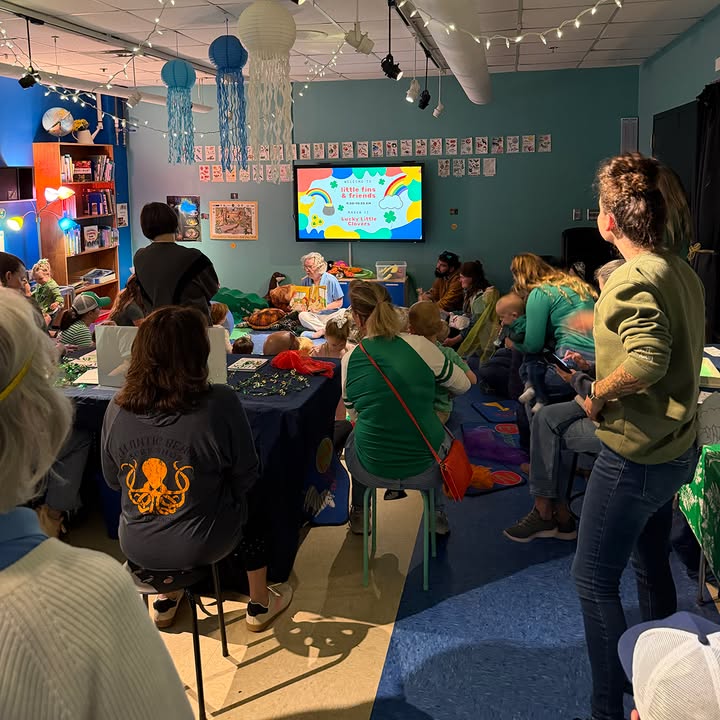
- Our next Little Fins and Friends toddler mini series event on May 7 focuses on baby animals and their care.
- The structure of the Little Fins and Friends program is interactive, featuring songs, movement, and storytime.
- Importance of engaging young minds with animal behavior and conservation.
- Exploration of the joy and challenges of nurturing young animals.
- Relevance of fostering appreciation for wildlife conservation in early childhood.
The upcoming Little Fins and Friends toddler mini-series event on May 7 will celebrate the enchanting world of baby animals. Through the theme of “Happy Hatchlings,” this program introduces children to adorable young animals that require love and care to thrive. Participants will have the opportunity to learn about various baby animals, including puppies, chicks, and hatchlings. This rich content will be delivered through imaginative play and movement activities, enabling little ones to interact actively with the subject matter.
The Little Fins and Friends program is an engaging, hands-on initiative that occurs monthly from March to July. These sessions run from 9:30 to 10:30 AM in the Discovery Classroom. Designed for children ages 1 to 4, along with their caregivers, the program is a delightful blend of educational content and playful activities.
Each session features songs that resonate with the hearts of young children while helping them learn new concepts related to animal care and behavior. Movement activities will encourage toddlers to imitate animal movements, stimulating their physical development and enhancing their motor skills. Storytime will introduce fascinating narratives about different baby animals, weaving lessons about the natural world into captivating tales. The play with bubbles adds an element of joy, as children can experience delight during their exploration of nature and animals.
Engaging children from an early age with the wonders of animal behavior helps foster a sense of respect and curiosity about wildlife. Learning about how young animals grow and develop includes understanding the care they need and the ecosystems they inhabit. When children observe animals, they start to grasp the importance of nurturing and protecting these beings. This awareness can build a foundation for environmental stewardship as they grow older.
The joy of nurturing young animals cannot be overstated. Many animals display different behaviors to attract attention and care from their caregivers. For example, think of a puppy wagging its tail or a chick chirping. These behaviors play pivotal roles in ensuring the survival of the young. Engaging with these natural instincts during the Little Fins and Friends program allows children to discover how young animals communicate their needs.
The program will delve into the various challenges faced by baby animals. Newborns often confront a range of difficulties, from finding food to avoiding predators. This understanding highlights the resilience of young wildlife and emphasizes the need for protection. Awareness about environmental factors affecting animal survival can ignite a passion for conservation in children, creating advocates for wildlife in the future.
Music and movement offer an effective means to introduce toddlers to animal behavior. Familiar songs about animals can create a fun atmosphere for learning. Not only does this musical exposure strengthen cognitive abilities, but it can also enhance language skills. Singing and rhyming with caregivers enriches the educational experience. Additionally, engaging in movements like hopping like a bunny or waddling like a duck helps children improve their physical coordination and balance, crucial developmental skills at this age.
Storytelling serves as another vital component of the Little Fins and Friends program. Age-appropriate books featuring baby animals allow children to visualize the content being taught. Rich illustrations can captivate their attention while the narrative introduces pertinent themes about nurturing and conservation. These stories create emotional connections between children and animals, which is essential for developing empathy toward living beings.
Employing the use of bubbles in the program adds a sensory experience. Young children are typically fascinated by bubbles. This element can stand as a metaphor for the delicate nature of young animals and their ecosystems. Just as bubbles can burst easily, so too can the lives of young animals be threatened if not properly cared for. This playful interaction reinforces the delicate balance of nature while also serving to entertain.
The Little Fins and Friends program illustrates the importance of monthly interaction with nature and wildlife. The continuity and repetition provide children with a framework for understanding animal behavior and the challenges young animals face. As the series progresses from March to July, children will have chances to revisit and reinforce their learning continuously. Each session builds upon the previous one, deepening their understanding in a supportive environment.
Space for participation is limited, making it a more intimate and engaging experience for each child. The program does not require prior registration, allowing flexibility for parents and caregivers. Admission or a membership will cover the activity, making this opportunity accessible for families eager to introduce their children to the world of wildlife. This openness allows for spontaneous participation, creating an inviting atmosphere that fosters a love for animals and nature.
Educators often stress the role of early exposure in forming lifelong interests. The Little Fins and Friends program serves as an essential introduction to zoology, animal behavior, and conservation concepts. Attending such activities can spark children’s curiosity, leading them to explore those interests further as they transition into school and beyond. As these little ones grow, they are likely to carry forward their fascination with animals and the environment into their educational pursuits.
Through hands-on experience, children have the chance to witness the beauty of different species. They can learn about their habitats and the basic needs required for survival. This knowledge reinforces fundamental concepts of biology, contributing to a broader understanding of life sciences. It’s a gentle introduction, fitting for the very beginning stages of learning.
Interaction with caregivers is another vital facet of the Little Fins and Friends program. This environment encourages nurturing relationships as adults and children engage together in activities. Caregivers play a critical role in reinforcing lessons about animal care and behavior. The shared experience promotes bonding and opens up conversations about wildlife and the importance of respect for living beings.
As toddlers engage in this playful learning series, they also develop problem-solving skills and critical thinking. When they discover how to care for animals or learn what food a particular hatchling needs, they are applying reasoning to their experiences. This cognitive engagement adds depth to their understanding and enhances overall learning outcomes.
The exploration of animal life cycles, particularly focusing on baby animals, enables young learners to grasp fundamental biological concepts. Understanding how chicks emerge from eggs or how puppies are born aids in appreciating the diversity of life. These simple yet critical knowledge points can lay the groundwork for advanced science topics as they mature.
Animal movements, incorporated into the program, serve not only the purpose of fun but also offer kinesthetic learning opportunities. Children often learn best through movement and play, and by mimicking the behaviors of animals, they internalize complex ideas about biology and ecology more effectively.
Overall, the Little Fins and Friends program serves as a multifaceted educational initiative. It integrates various learning domains—music, movement, storytelling, and hands-on activities—providing a comprehensive approach to early childhood education focusing on animals and their care.
This program exemplifies how introducing children to the concept of caring for wildlife can shape their understanding of environmental stewardship. The seeds planted in young minds during these sessions can blossom into lifelong interests and commitments to conservation. As they growing up, these children may become not just wildlife advocates but informed citizens prepared to tackle the challenges facing our ecosystems.
The Little Fins and Friends series is more than just a program; it is an experience designed to captivate the imagination and foster a love for animals. As they engage with the upcoming theme of Happy Hatchlings, children will uncover the joys and responsibilities associated with baby animals while developing a deeper connection to the world around them.
*****
Source Description
Our next Little Fins and Friends toddler mini series is coming up on Thursday, May 7! 🐣
Happy Hatchlings: We’ll explore the cuddly world of baby animals who need love and care to grow big and strong! Little ones will discover cute pups, chicks, and hatchlings through animal movements. 🐣
Little Fins and Friends is a new playful toddler program that features songs, movement, story time, bubbles, and hands-on fun inspired by seasonal celebrations and animal friends. Little Fins and Friends is held monthly from March to July from 9:30-10:30 a.m. in the Discovery Classroom.
The program is designed for children ages 1-4 and their caregivers. Space is limited. No registration required. Included with admission or membership.
