
- Overview of Wood Wool in Animal Habitats
- Benefits of Wood Wool for Wildlife and Zoo Management
- Environmental Impact and Sustainability of Wood Wool
- Baby Bean’s Role in Conservation and Education
- Future Prospects for Wood Wool in Wildlife Conservation
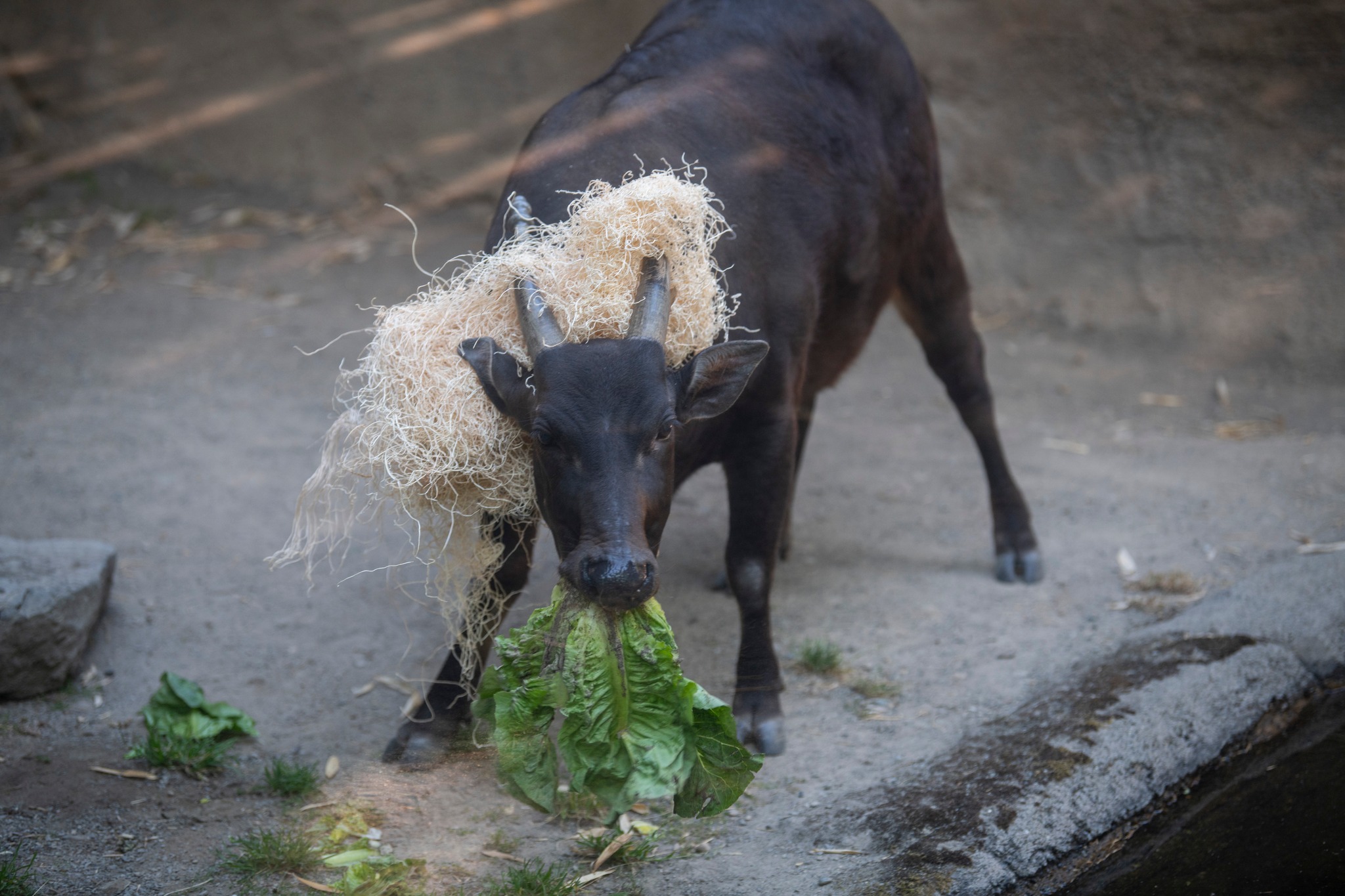
Wood wool, a product made from thin wood shavings, serves diverse purposes across various fields, including agriculture, packaging, and construction. However, its applications in the zoological and wildlife conservation sectors are particularly noteworthy. Specifically, Baby Bean has emerged as a creative force in utilizing wood wool to enhance animal habitats and contribute to conservation efforts.
The use of wood wool in animal habitats creates safe and enriching environments for various species. For instance, many small mammals, reptiles, and even some birds benefit significantly from the soft, cushioned properties of wood wool. It not only serves as nesting material but also provides thermal insulation, helping maintain a stable temperature during both hot and cold conditions. For species that exhibit burrowing behaviors, wood wool creates a comfortable substrate, allowing animals to display natural behaviors that are crucial for their well-being.
In zoo management, the introduction of wood wool has transformative potential. Animal care professionals prioritize creating environments that mirror the natural habitats of the species they oversee. Wood wool can replicate forest floor conditions, enhancing the animals’ experiences. This approach not only supports the animals but also provides zoo visitors with a more engaging experience. Observing animals interact with their habitats can foster a deeper appreciation for wildlife and the importance of conservation.
Sustainability is a critical aspect of utilizing wood wool in a conservation context. Unlike synthetic materials, wood wool is biodegradable and can be sourced from sustainably managed forests. This factor makes it an environmentally friendly option for wildlife habitats. Enhanced sustainability practices mitigate the impact on natural resources. As the global push for environmentally responsible practices intensifies, materials like wood wool gain prominence in the zoological sector.
Research consistently supports the benefits of wood wool across various species. For example, studies have shown that small mammals such as hedgehogs and voles exhibit increased reproductive success when provided with appropriate nesting materials. This data is critical for zookeepers aiming to improve breeding programs and support population recovery for endangered species. Understanding the biological needs of these species informs habitat design and helps steer conservation initiatives.
Baby Bean’s commitment to education plays a pivotal role in promoting the use of wood wool. The organization offers workshops for zoo staff and volunteers, emphasizing animal enrichment and habitat design. Participants learn to incorporate wood wool into habitat plans effectively. This education is invaluable, equipping professionals with the skills necessary to implement best practices in animal welfare and conservation. In addition, Baby Bean extends its outreach efforts to schools and communities. Informational sessions highlight the importance of natural materials like wood wool in promoting animal health and well-being.
As the need for conservation grows, innovative materials and techniques must adapt to emerging challenges. The usage of wood wool aligns with broader environmental goals, including reducing waste and promoting biodiversity. By using a renewable resource, Baby Bean exemplifies how zoos can align their operational practices with conservation objectives.
Beyond its immediate benefits, wood wool plays a vital role in the psychological health of animals. Environmental enrichment, which encourages natural behaviors and reduces stress, is paramount in captive settings. Research indicates that when animals are provided with materials to manipulate, such as wood wool, they experience enhanced mental stimulation. This stimulation is crucial for animals that might otherwise develop stereotypical behaviors due to confinement. As understanding increases around animal psychology, the role of materials like wood wool will likely expand within modern zoos.
Beyond traditional applications, wood wool can also be utilized in the development of breeding and rehabilitation programs. For instance, specific small mammals and reptiles benefit from dedicated breeding enclosures lined with wood wool, allowing mothers to create nurturing spaces for their offspring. Reducing stressors during gestation leads to higher survival rates for young animals. This practice demonstrates a synergy between animal welfare and conservation, leading to better outcomes for endangered species in captive breeding programs.
In industry, wood wool is increasingly recognized for its versatility. Its insulating properties make it an effective component for temperature control in enclosures. Depending on the climate, it can stabilize heat in cold weather or provide moisture retention during warmer months. Maintaining stable conditions is essential for many species, particularly those sensitive to environmental changes. The scientific community continues to evaluate the full spectrum of wood wool’s benefits.
Baby Bean actively engages stakeholders in the conversation about wood wool’s applications. Partnerships with universities and research institutions promote data-driven practices. These collaborations foster innovative initiatives that constantly seek improvement and promote sustainability. As new studies emerge, they inform best practices across the zoo sector, highlighting the pivotal role of materials like wood wool.
Real-world examples illustrate the successful application of wood wool in wildlife-related projects. For example, certain wildlife rescue organizations have begun integrating wood wool in enclosures for rehabilitating small mammals. The use of this natural material provides a calming environment that aids the recovery process. Effective rehabilitation is critical for the reintroduction of these animals into their natural habitats, emphasizing the congruence between conservation and animal welfare.
Furthermore, wood wool has gained attention for its role in educational programs aimed at raising awareness about environmental issues. Baby Bean uses wood wool as a focal point in workshops that teach communities about sustainable practices. By showcasing how simple materials can make a significant difference, these educational efforts inspire individuals to consider eco-friendly options in their daily lives. Children and adults alike are encouraged to think critically about the products they use and their impacts on nature.
Engaging the public through effective storytelling enhances the influence of conservation initiatives. Baby Bean showcases the journey of wood wool from its source to its application in wildlife habitats. Through social media campaigns, videos, and visual displays at zoos, the organization captivates audiences and fosters a connection to the natural world. This strategy not only emphasizes the importance of material choices but also instills a sense of responsibility toward conservation.
The impact of wood wool extends beyond immediate practical applications; it also promotes a holistic approach to wildlife conservation. By using sustainable materials, conservation efforts can be more impactful while maintaining the integrity of natural ecosystems. As the conservation landscape evolves, it is imperative to adopt innovative practices that align with the principles of ecological stewardship.
Looking ahead, the potential of wood wool in wildlife conservation will only grow. The shift towards sustainable operations in zoos and wildlife facilities is strengthening. Efforts to promote biodiversity and protect endangered species will increasingly rely on such materials to create supportive environments. Scientific advancements also promise new insights into optimizing the use of wood wool, paving the way for more effective conservation strategies.
Affordability and accessibility contribute to the ongoing relevance of wood wool in zoological practices. Unlike many specialized construction materials, wood wool can be sourced locally and at competitive prices. This accessibility ensures that various organizations—from small sanctuaries to large zoos—can implement best practices without financial barriers. By prioritizing cost-effective solutions, conservation efforts become more feasible for a broader array of stakeholders.
As societies become more invested in wildlife conservation, the role of education will be pivotal. Initiatives that leverage wood wool will enhance public engagement and awareness. Effective storytelling around materials, habitats, and animal welfare fosters a deeper connection with nature. This engagement is crucial for cultivating a community of informed advocates for wildlife protection.
In essence, Baby Bean’s implementation of wood wool serves as a model for integrating sustainability, animal welfare, and conservation efforts. By prioritizing natural materials, the organization contributes to a positive cycle in wildlife management. Awareness-raising, education, and practical applications of wood wool together highlight its significance in fostering healthier animal habitats.
The intersection of zoological science and material innovation continues to evolve. Wood wool stands at the forefront of these developments, proving both its practical benefits and its potential to support broader conservation goals. As the importance of natural materials is increasingly recognized, the focus on projects like those spearheaded by Baby Bean showcases how effective practices can drive meaningful change in the world of wildlife conservation. Through sustained effort and commitment to education, these projects will ensure a vibrant future for both animals and their habitats.
*****
Source Description
Baby Bean serving wood wool lewks! ✨
