
- Social Structure and Dynamics of Vervet Troops
- Communication Methods and Behaviors
- Grooming and Play as Social Activities
- Habitat and Environment
- Conservation Efforts and Challenges
Vervet monkeys are fascinating creatures distinguished by their vibrant social behavior and intricate community structures. Living in troops, these animals exhibit a wide range of interactions and customs that capture the interest of both scientists and zoo visitors alike. Zoo Boise provides an ideal setting to observe these interactions, giving insights into their daily lives.
Social Structure and Dynamics of Vervet Troops
Vervet monkeys live in organized units called troops, typically composed of multiple females, their offspring, and a few adult males. This structure allows for stability and safety within their environment. The social hierarchy is primarily matrilineal, with females often inheriting their mother’s social standing. This hierarchy plays a crucial role in troop dynamics, influencing access to resources such as food and grooming partners.
Troop dynamics are complex and often shift during events like mating seasons or when new males join. Adult males may move from troop to troop throughout their lives, affecting social alliances. Observations at Zoo Boise highlight how vervet monkeys navigate these relationships, with females typically forming the core, guiding daily activities.
Communication Methods and Behaviors
Communication among vervet monkeys is a sophisticated blend of vocalizations, facial expressions, and body postures. They use different sounds to signify various types of threats like predators or intruders. For example, specific alarm calls might be used for aerial predators while others alert the troop to terrestrial threats.
Non-verbal cues are equally important. Facial expressions, such as baring teeth, can indicate aggression or submission, while specific gestures demonstrate intent or emotion. Visitors to Zoo Boise can watch these interactions unfold, providing a clearer understanding of how vervet monkeys maintain social cohesion and safety.
Grooming and Play as Social Activities
Grooming is a vital activity among vervet monkeys, serving both hygienic and social functions. It strengthens bonds and establishes alliances, contributing to the troop’s overall harmony. Through grooming, individuals can gain favors or reinforce their social status. This behavior is frequently on display at Zoo Boise, where the monkeys are seen carefully picking through each other’s fur.
Play is another crucial component of their social behavior, particularly for young monkeys. It helps develop motor skills and social knowledge, preparing them for adult roles within the troop. Playful interactions involve chasing, wrestling, and mock-fighting, providing an engaging spectacle for zoo visitors while showcasing the monkeys’ agility and intelligence.
Habitat and Environment
Vervet monkeys thrive in a variety of habitats, from savannas to forests. This adaptability allows them to adjust to different environmental conditions, though they primarily prefer areas with abundant food and adequate cover. In the wild, they rely on trees for protection and spend much of their time foraging for fruits, seeds, and insects.
Zoo Boise replicates these environments, ensuring vervet monkeys have ample opportunities to exhibit natural behaviors. Their enclosure mimics the complexity of their natural habitat, allowing them to climb, forage, and engage in social interactions in a safe setting. This habitat design is a significant factor in promoting the health and psychological well-being of the monkeys.
Conservation Efforts and Challenges
Vervet monkeys, although not currently endangered, face challenges in their natural habitats due to deforestation, human-wildlife conflict, and habitat fragmentation. Conservation efforts focus on preserving their natural environments and reducing conflict through community education and sustainable practices.
Zoos like Zoo Boise play an essential role in these efforts by fostering awareness and understanding. By presenting opportunities for the public to learn about vervet monkeys, zoos help cultivate an appreciation that extends beyond entertainment, encouraging support for conservation initiatives. Effective conservation requires collaboration between local communities, governments, and global organizations to protect these dynamic animals for future generations.
In conclusion, vervet monkeys exemplify the intricate social structures and behaviors that define many primate species. Their interactions, whether in the wild or within the confines of a zoo like Zoo Boise, offer valuable insights into their complex lives. For those intrigued by zoology and conservation, observing vervet monkeys provides a vivid example of the diversity and resilience of wildlife.
*****
Source Description
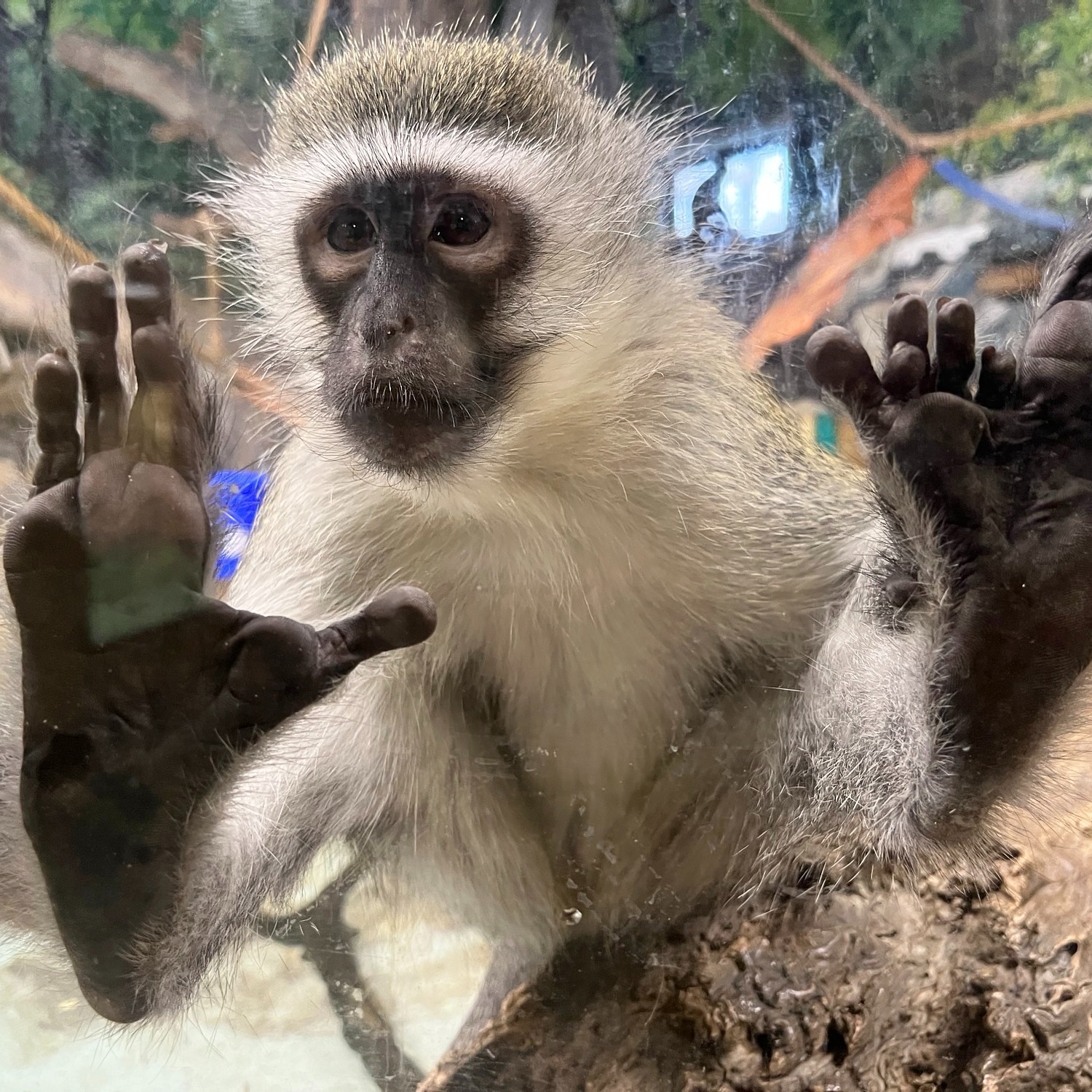
Vervet monkeys are highly social animals that live in tight-knit groups called troops. They spend much of their time grooming, playing, and communicating with one another.
Next time you visit Zoo Boise, watch how they interact. There is always something exciting happening in the vervet monkey habitat.
📸: Vervet monkey cooper by Morgan
