
- Understanding the Importance of Observing Wildlife
- The Role of Ducks in Ecosystems
- The Significance of Early Childhood Nature Experiences
- Wildlife Conservation and Community Engagement
- The Impact of Social Media on Nature Appreciation
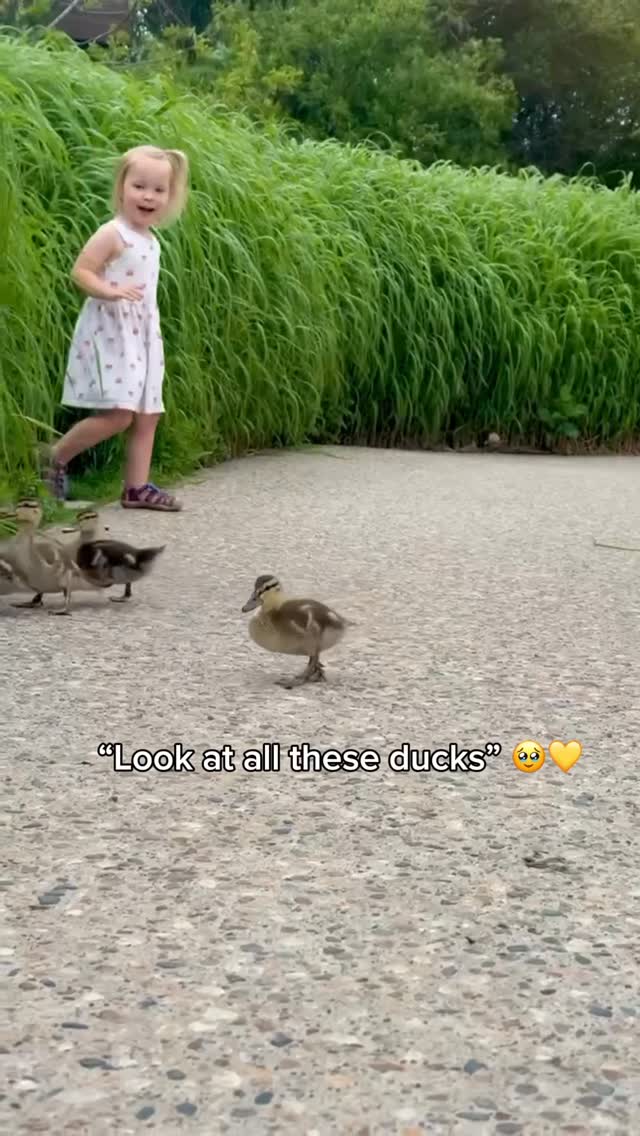
Capturing moments in nature can spark joy and curiosity, blending entertainment with education. When we were filming our duck family, the unexpected arrival of a little explorer from the greenery showcased the exhilarating connection between children and the natural environment. This simple encounter encapsulates a myriad of educational themes worth exploring.
Understanding the Importance of Observing Wildlife
Wildlife observation plays a vital role in enriching our understanding of animal behavior, ecology, and conservation. This active process brings a wealth of knowledge about various species, their habitats, and their interactions within ecosystems. When filming duck families, for instance, viewers can gain insights into social structures, nesting behaviors, and feeding habits.
Ducks, particularly those in the Anas genus, exhibit fascinating behaviors that can educate on survival strategies. These birds demonstrate critical aspects of migratory patterns, parental care, and territoriality. Furthermore, engaging with wildlife encourages individual appreciation for biodiversity, fostering a deeper connection to the environment.
Children observing wildlife are particularly affected. Their curiosity drives them to explore nuances in animal behavior, which is pivotal in developing empathy towards living creatures. Such experiences often ignite lifelong interests in biology, zoology, and conservation.
The Role of Ducks in Ecosystems
Ducks are more than charming creatures. They serve a crucial ecological role that balances their respective environments. These waterfowl contribute to nutrient cycling, enhance aquatic habitats, and help control insect populations. Ducks feed on aquatic plants, insects, and small fish, weaving into the food web as both predator and prey.
Wetlands, where ducks often reside, are biodiversity hotspots that provide essential services including water filtration and flood control. They maintain ecological integrity by supporting various species, some of which are endangered. By promoting healthy wetland ecosystems, ducks help sustain not only their populations but also the biodiversity that relies on these habitats.
Human activities, however, have led to habitat degradation and loss, putting significant pressure on duck populations and their ecosystems. Conscientious management of water resources and wetland habitats is imperative for their conservation. Understanding the roles ducks play is thus essential in emphasizing the importance of protecting these vital ecosystems.
The Significance of Early Childhood Nature Experiences
The magical moment of seeing a child discover nature firsthand cannot be overstated. Early childhood experiences with nature lay the groundwork for a lifelong attitude toward environmental stewardship. Research supports that children who frequently interact with natural settings display increased cognitive abilities, improved emotional well-being, and enhanced creativity.
Nature-based play encourages exploration and problem-solving skills. As young explorers engage with their surroundings, they develop critical reasoning skills. Observing a duck family up close, for instance, teaches them about life cycles and ecological balance. This experiential learning is far more effective than passive modes of education.
Parents and educators should encourage outdoor activities. Simple initiatives like nature walks or wildlife filming can reignite curiosity in youth. When children see animals like ducks nurturing their young or interacting in their habitat, they begin to understand the interconnectedness of life.
Wildlife Conservation and Community Engagement
Connecting with wildlife goes beyond personal enjoyment; it fosters community responsibility towards conservation. Film and photography can amplify awareness about declining wildlife populations and habitat destruction. When families document their nature encounters, they participate in a larger conversation about conservation and sustainability.
Many organizations focus on wildlife conservation through community awareness programs. They provide valuable resources to educate the public about various species, including ducks, and the challenges they face. Collaborative efforts can spearhead initiatives that combat habitat loss, pollution, and climate change.
Active engagement with community wildlife events—such as bird-watching days or conservation actions—can increase local involvement in conservation efforts. Families contribute to protecting their natural surroundings by participating in these activities.
The Impact of Social Media on Nature Appreciation
Social media platforms have transformed how people connect with nature, showcasing stunning visuals and educational content related to wildlife. The footage of the little explorer alongside the duck family not only entertains but serves as a visual testament to nature’s beauty. Such moments inspire others to appreciate and observe wildlife, spreading awareness rapidly.
Sharing experiences online has become a powerful tool for environmental education. Social media can foster a collective consciousness about pressing environmental issues. By showcasing personal interactions with wildlife, individuals can advocate for animal rights, conservation policies, and sustainable practices.
However, with this influence comes responsibility. Users must be aware of the implications of their sharing, ensuring they promote ethical wildlife interactions. Overexposure can lead to disturbance in natural settings, potentially adversely affecting the animals and their habitats.
In essence, witnessing nature offers not just fleeting joy but cultivates critical understanding and appreciation for ecosystem dynamics. The moment we filmed the duck family and encountered the little explorer illustrates a profound connection many can experience. Relying on self-awareness when documenting these interactions can magnify our impact on conservation efforts.
Fostering a genuine relationship with wildlife—like that between a child and a duck—encourages a commitment to environmental stewardship. Through awareness and appreciation, society can actively contribute to sustaining ecosystems, ensuring they thrive for future generations.
*****
Source Description
We were filming our duck family when a little explorer emerged from the greenery, full of wonder and excitement! 💛 🦆🌿
It’s moments like this that show how magical it is to connect with nature.✨
