
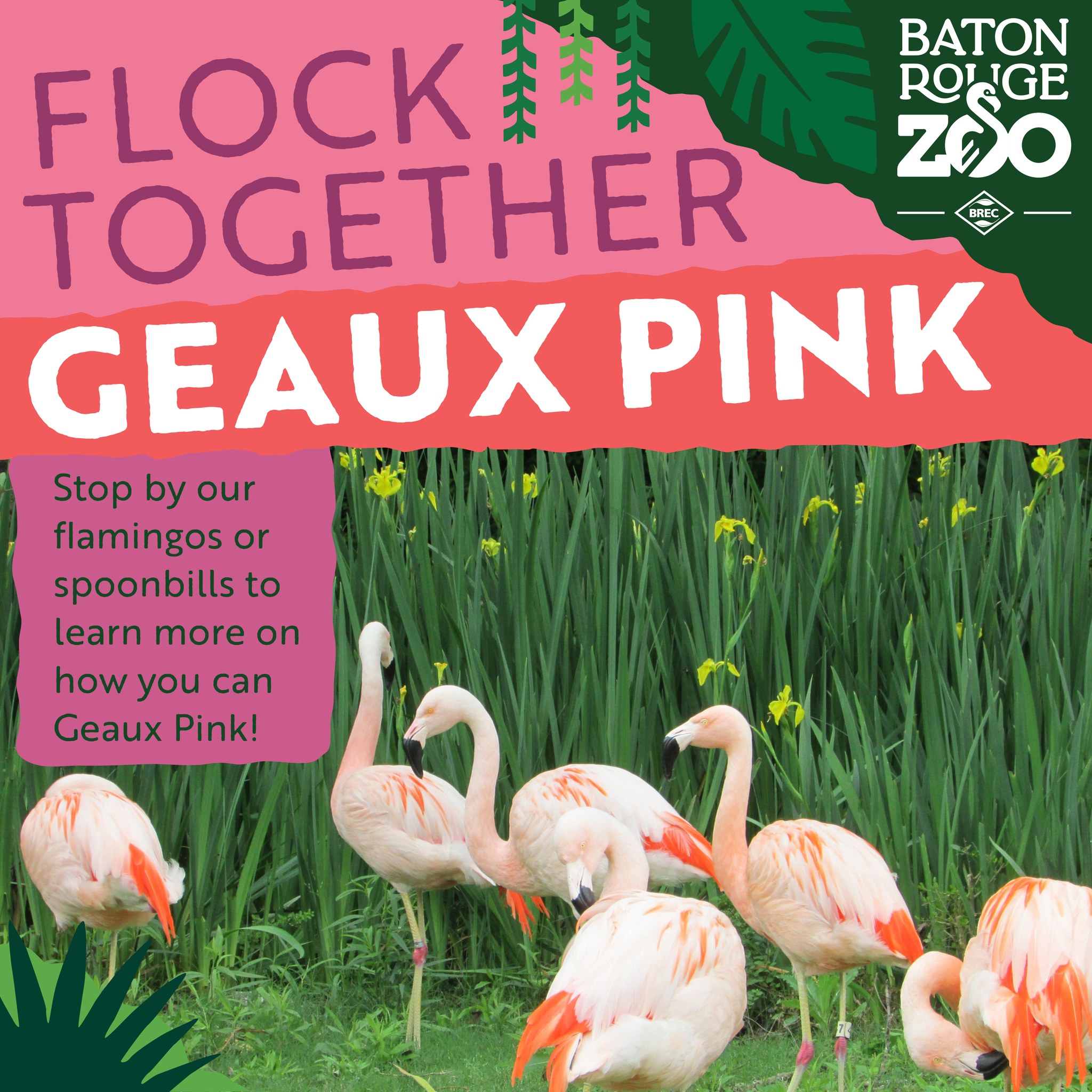
- BREC’s Baton Rouge Zoo showcases the importance of conservation and awareness during Breast Cancer Awareness Month.
- The Flamingo habitat and Spoonbill habitat serve as focal points for educating visitors on both wildlife and breast cancer awareness.
- Understanding risk factors and screening recommendations is crucial for early detection of breast cancer.
- The role of partnerships, such as with Mary Bird Perkins, exemplifies community efforts in health awareness.
- Engaging with educational programs at the zoo enhances public knowledge about wildlife and health issues.
BREC’s Baton Rouge Zoo is more than just a place to observe animals; it serves as a vital arena for education and advocacy, especially evident during special events like the one scheduled for Friday–Sunday, October 10–12. This weekend, the zoo highlights its stunning Flamingo and Spoonbill habitats while collaborating with Mary Bird Perkins in a powerful effort to raise awareness about breast cancer.
The Flamingo habitat at the Baton Rouge Zoo, filled with vibrant pink birds, exemplifies the beauty of wildlife. Flamingos are not just visually striking; they have fascinating adaptations. Their pink coloration comes from the carotenoid pigments in the algae and crustaceans they consume. These birds are social and live in large colonies, which helps protect them from predators. Educating visitors about the biology and social behavior of flamingos is essential for fostering an appreciation of biodiversity.
The Spoonbill habitat presents another unique educational opportunity. Spoonbills are wading birds known for their distinctive spoon-shaped bills, which they use to sift through shallow waters for food. By demonstrating the feeding habits and nesting behaviors of these birds, the zoo highlights the importance of wetland ecosystems. Wetlands serve numerous ecological functions, including water purification, flood control, and providing habitats for countless species. By observing these birds in their habitat, visitors can learn about the interdependence of wildlife and their ecosystems.
This weekend’s collaboration with Mary Bird Perkins aims to offer more than just an educational experience. It aims to empower visitors with crucial information regarding breast cancer risk reduction and screening. Raising awareness about the significance of early detection can save countless lives.
To reduce breast cancer risk, specific lifestyle changes can be beneficial. Increasing physical activity plays a critical role in maintaining a healthy weight—an important factor linked to breast cancer risk. According to the American Cancer Society, regular exercise lowers overall cancer risk and contributes to improved mental health. Limiting alcohol consumption is another key factor; studies show that reducing alcohol intake correlates with a decreased risk of breast cancer. Lastly, maintaining a healthy weight is essential, as obesity has been identified as a significant risk factor.
Screening is vital for early detection. For women aged 20 and older, being breast-aware is recommended every month. This self-examination can help in identifying changes in breast tissues. Clinical breast exams become important for women ages 20 to 40, who should receive these exams every three years. Starting at age 40, women should have annual mammograms and clinical breast exams. Early detection significantly increases survival rates; thus, understanding these guidelines can lead to more lives saved.
The partnership with Mary Bird Perkins illustrates the positive impact community organizations can have on health advocacy. Mary Bird Perkins has dedicated itself to fighting cancer through robust education and screening initiatives. By joining forces, the zoo and this organization create a platform that encourages community participation in health awareness. Such alliances not only promote dialogue about health issues but also demonstrate the importance of supporting local organizations in their missions.
Engagement in educational programs at the zoo can significantly enhance public understanding of wildlife conservation and health issues. The zoo offers various programs focused on animal care, habitats, and environmental sustainability. These initiatives help visitors glean insights into how they can contribute positively to wildlife conservation while also understanding human health better. Education is a powerful tool that empowers individuals to make informed decisions regarding both their health and their ecological footprint.
Through these programs, attendees can engage with knowledgeable staff, participate in interactive exhibits, and attend talks about the importance of conservation. Understanding wildlife’s complex behaviors and habitats encourages a deeper respect for nature and its preservation. This awareness extends to health issues such as breast cancer, reminding participants that their well-being is interconnected with the world around them.
Moreover, family-friendly activities throughout the weekend will further encourage participation and foster a sense of community. Engaging games and informational booths will allow families to learn while having fun. Children are often the most curious about the animals and environments on display; creating a space for educational play can yield profound benefits. They absorb lessons about both animals and health, which can shape their knowledge and habits for years to come.
The zoo’s commitment to education and conservation is evident in its numerous ongoing initiatives. Programs designed for schools provide structured learning opportunities that emphasize the importance of native species and habitat preservation. Incorporating health education within these programs fosters a holistic understanding of human and ecological health.
Environmental stewardship is critical in today’s climate. As species face threats such as habitat loss and climate change, educating the public about wildlife can motivate action. When individuals feel a connection to the natural world, they are more likely to engage in sustainable practices. This bond ultimately leads to a more informed society that prioritizes conservation efforts and public health.
Understanding the complexities of both wildlife conservation and health is fundamental for future generations. Events like the one at BREC’s Baton Rouge Zoo serve as a pivotal intersection for these discussions. By drawing attention to breast cancer awareness and the ecological significance of flamingos and spoonbills, the zoo creates a multi-faceted experience that enriches its community.
The importance of supporting health initiatives cannot be understated. Public support for organizations like Mary Bird Perkins allows them to continue their essential work in cancer research and screening. Such backing cultivates an environment where health education can flourish. Awareness events in community settings enhance visibility and provide opportunities for meaningful dialogue.
Overall, BREC’s Baton Rouge Zoo is poised to make a significant impact this upcoming weekend. By highlighting the importance of conservation through its animal habitats, whilst also addressing serious health issues, the zoo provides a platform for crucial education. Visitors will leave not only with newfound knowledge about flamingos and spoonbills but also with a greater understanding of how they can contribute to both environmental and health advocacy.
Events like this are vital for raising communal awareness and fostering engagement. The zoo embodies a space where wildlife and health intersect, reminding us that understanding both is integral to shaping a healthier planet and preventing diseases such as breast cancer. The interaction between the natural world and human health is not only critical but reflects a united front toward a brighter and healthier future.
*****
Source Description
This Friday–Sunday, October 10–12, swing by BREC’s Baton Rouge Zoo and visit the animals in shades of pink, our Flamingo habitat, and our spoonbill habitat, as we team up with @marybirdperkins in the fight against breast cancer.
Learn your risk and get screened!
🎀 Reduce Your Risk:
• Increase physical activity
• Limit alcohol consumption
• Maintain a healthy weight
🎀 When to Get Screened – Early Detection Saves Lives:
Women Age 20+
• Breast self-awareness: every month
Women Age 20–40
• Clinical breast exam: every 3 years
Women Age 40+
• Mammograms & clinical breast exams: every year
Join us and show your support for Mary Bird Perkins all weekend long!
