
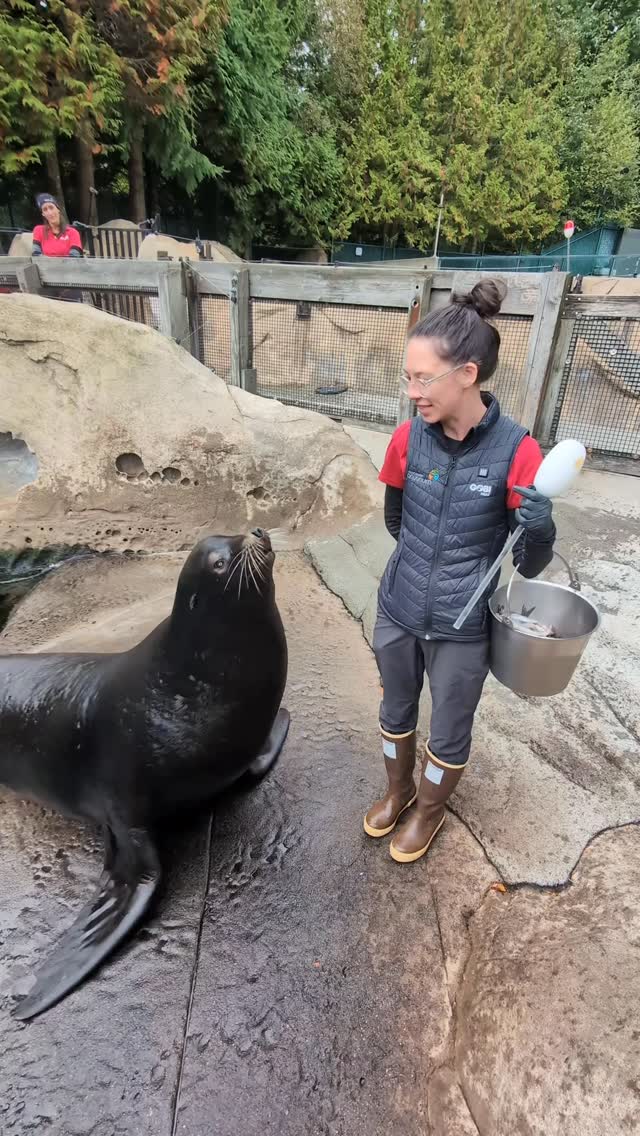
- The rescue story of Cinco, a resilient sea lion, highlighting both animal welfare and human cruelty.
- The role of rehabilitation centers like the Vancouver Aquarium in animal recovery efforts.
- The importance of public engagement and awareness in wildlife conservation.
- Understanding the biology and behavior of sea lions as key factors in successful rehabilitation.
- The significance of ongoing support for rescued animals and conservation initiatives.
Cinco’s story resonates deeply within the animal welfare community. This sea lion’s journey showcases not only the hardships inflicted by human actions but also the remarkable resilience of marine life. Rescued from a perilous situation, Cinco symbolizes hope and endurance, serving as a poignant reminder of the work done by dedicated professionals in wildlife rehabilitation.
Sea lions, particularly the species known as the California sea lion (Zalophus californianus), are highly social marine mammals commonly found along the West Coast of North America. Known for their intelligence and playful behaviors, these animals often become victims of human negligence, such as entanglement in fishing gear or habitat loss due to urban development. Cinco’s story serves as a case study highlighting the urgent need for conservation efforts and public awareness.
The journey of rehabilitation often starts with the expertise of organizations like the Vancouver Aquarium. Such facilities are vital in providing the necessary care and environment for animals in distress. They facilitate a recovery process that includes medical treatment, behavioral assessments, and often, socialization with other animals. Medical treatment for injured sea lions may involve surgical interventions or the administration of antibiotics to combat infections. These procedures require a team of veterinarians who specialize in marine wildlife.
Behavioral assessments are crucial for understanding how a rescued sea lion like Cinco interacts with humans and other marine animals. Monitoring behavior helps rehabilitation staff gauge the animal’s readiness for release back into the wild. If Cinco were to exhibit signs of stress or aggression, these behaviors could indicate that he may need additional time and support before rejoining natural habitats.
Public engagement is integral to these rehabilitation efforts. Initiatives that involve the community not only provide support but also foster a connection between humans and wildlife. Social media platforms like Instagram serve as effective tools for sharing stories and educating the public. The call for daily voting, as seen in Cinco’s case, exemplifies how community involvement can directly influence the welfare of rescued animals. By rallying support, rehabilitation centers can secure funding and resources essential for their operations.
Conservationists advocate using platforms like social media to highlight rescued animals and their journeys. By showcasing individual stories, organizations can convey the broader picture of wildlife conservation. Public empathy plays a crucial role in engaging support. People who connect emotionally with stories like Cinco’s are more likely to take action, whether through donations, advocacy, or volunteering.
Understanding the biology and behavior of sea lions is critical for effective rehabilitation. Sea lions are social animals that tend to congregate in large groups. They communicate with each other through a series of vocalizations, body language, and physical displays. This social structure is essential for their development and survival in the wild. Therefore, providing opportunities for social interactions during the rehabilitation process is key to their success.
Furthermore, diet plays a significant role in the health and recovery of rescued sea lions. Sea lions are opportunistic feeders, often consuming various marine organisms, including fish, squid, and crustaceans. Rehabilitation centers work to replicate natural feeding behaviors by offering nutritious meals that encourage foraging and hunting skills. This not only supports physical recovery but also fosters behavioral adaptation.
The significance of ongoing support for rescued animals extends beyond just the individual. As more sea lions like Cinco are rescued and treated, they form a part of larger ecological communities. Healthy populations of sea lions contribute to the balance of marine ecosystems by regulating fish populations and serving as indicators of ocean health.
Organizations dedicated to wildlife conservation emphasize the interconnectedness of all species within marine environments. When sea lions thrive, they help maintain healthy marine ecosystems, which, in turn, impacts human communities that rely on these environments for food and livelihoods. Thus, supporting the rehabilitation of sea lions is not solely an act of kindness; it has profound implications for ecological balance.
The story of Cinco serves not only as a testament to resilience but also as a call to action. Raising awareness about the challenges faced by marine life, advocating for stronger environmental protection, and supporting rehabilitation centers are essential steps in fostering a sustainable future.
Efforts to educate the public about marine wildlife conservation must involve a multi-faceted approach. Programs that facilitate hands-on experiences with rescued animals can enhance understanding and appreciation for marine life. Such initiatives can inspire future generations to engage in conservation activities, be it through volunteering or pursuing careers in zoology and environmental science.
In summary, Cinco’s journey encapsulates the multifaceted relationship between humans and marine life. Through cooperation, compassion, and a commitment to education, we can better protect species that share our planet. The importance of rehabilitation initiatives, informed public engagement, and a thorough understanding of animal biology are indispensable in this endeavor. The ongoing story of Cinco highlights the capacity for recovery and rejuvenation while underscoring the crucial role that each individual plays in the greater conservation narrative. Together, we can foster environments where rescued animals like Cinco can thrive, reminding us of the miracles of resilience in the face of adversity.
*****
Source Description
There’s a special place in our hearts for all of our rescued animals, but Cinco will always stand out. 💙
His story reminds us how cruel humans can be, but also how incredibly resilient sea lions are. Today, we love seeing him thrive with our partners at the Vancouver Aquarium – and we’re so grateful for encouragement like this.
Thank you, Cinco and team! 🦭 Don’t forget to keep voting daily until October 19!
