
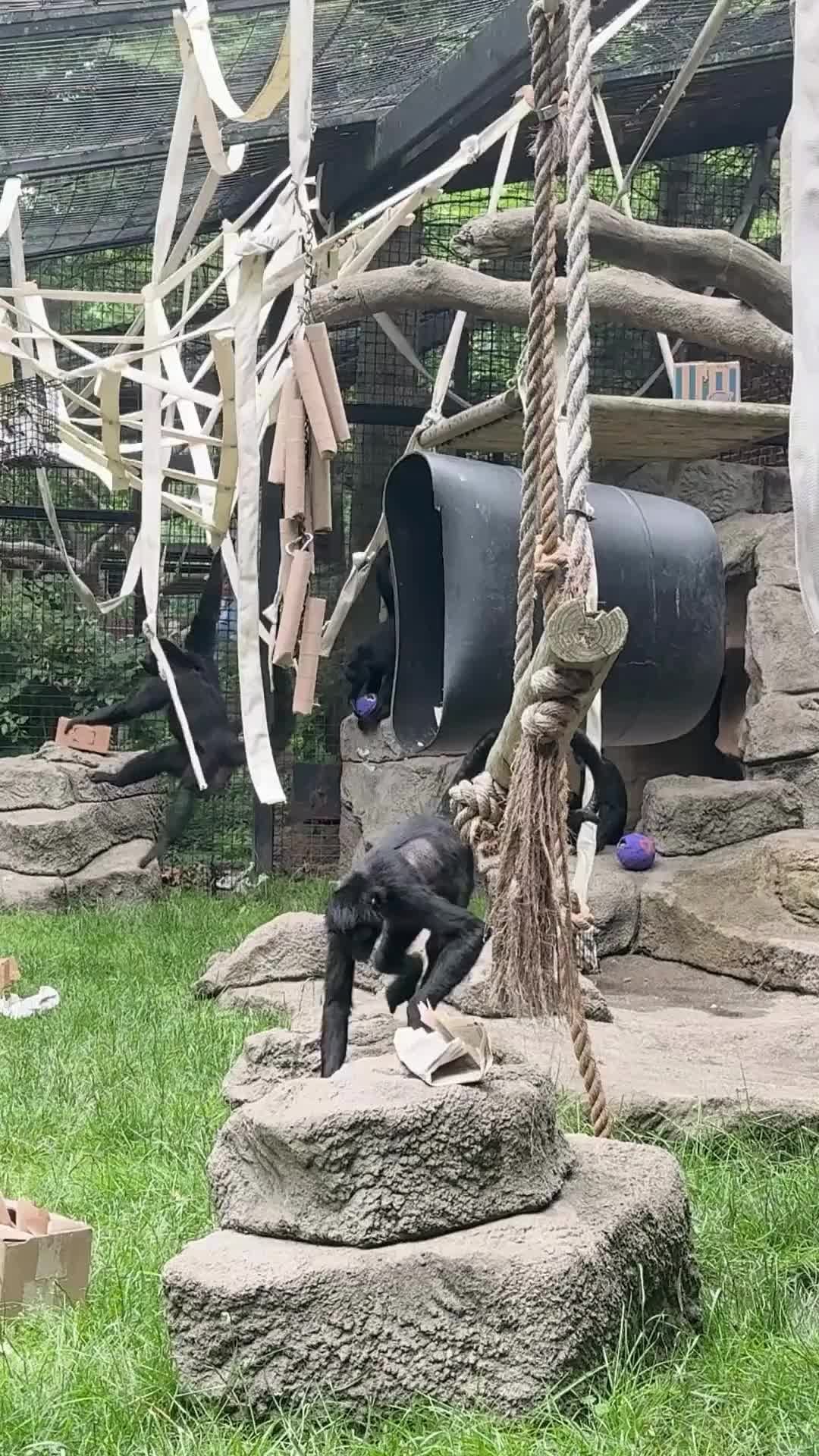
- The social structure and behavior of spider monkeys
- Anatomical adaptations that facilitate tree-dwelling lifestyles
- Communication methods within spider monkey troops
- The role of zoos in conservation and education
- Upcoming events at Potter Park Zoo featuring spider monkeys
Spider monkeys are fascinating creatures that grace the treetops of Central and South America. Their playful antics and social interactions make them a captivating focus at Potter Park Zoo. This weekend, take the opportunity to admire our lively spider monkey troop. As you watch them swing and play, consider how their unique adaptations and social behaviors contribute to their survival in the wild.
Spider monkeys are part of the Atelidae family, known for their highly social nature. They typically live in troops ranging from 15 to 30 individuals, although some groups can be even larger. Such social structures are essential for their survival. Living in groups helps them secure food resources and provides protection against predators. Troops often operate under a consistent hierarchy, with a dominant male leading the pack.
The absence of thumbs in spider monkeys is notable. Their hands are adapted for swinging through the treetops, featuring long fingers and an opposable toe instead. This adaptation allows for impressive agility. As they traverse the branches, spider monkeys utilize a technique called brachiation, swinging from branch to branch using their arms. It is a fascinating spectacle that visitors can witness firsthand at Potter Park Zoo.
Onlookers will likely notice the variety of vocalizations that spider monkeys employ to communicate. These vocalizations range from loud calls, often used to maintain troop cohesion, to softer sounds that facilitate close-range communication. Body language also plays a significant role. Spider monkeys express emotions and intentions through postures and movements, providing an intricate layer to their social interactions.
Zoos play an essential part in conservation efforts for species like spider monkeys. As habitats are increasingly threatened, the role of facilities like Potter Park Zoo becomes critical in raising awareness and engaging the public in wildlife conservation. By providing a setting for people to observe and learn about these primates, the zoo fosters a deeper understanding of their ecological significance.
This weekend, expect special events highlighting our spider monkeys. Educational programs may include talks on their behaviors, habitat needs, and conservation status. Engaging activities may also be planned. These initiatives contribute to the zoo’s mission of blending entertainment with education.
In summary, the spider monkeys at Potter Park Zoo provide an enriching experience for visitors and offer insight into their unique adaptations and behaviors. Their social structure, anatomical traits, and methods of communication exemplify the complex life of these remarkable primates. The zoo’s role in conservation and public education is critical in fostering an appreciation for such animals. The weekend’s events promise to be both informative and enjoyable, making it an excellent time to visit and observe these captivating creatures.
*****
Source Description
Swing into Potter Park Zoo this weekend and check out our lively spider monkey troop! Fun fact: they lack thumbs on their hands, which actually helps them swing through trees more easily.
These intelligent primates are highly social, living in groups of up to 30 individuals and communicating with each other through various vocalizations and body language! (Video by Keeper Annie)
