
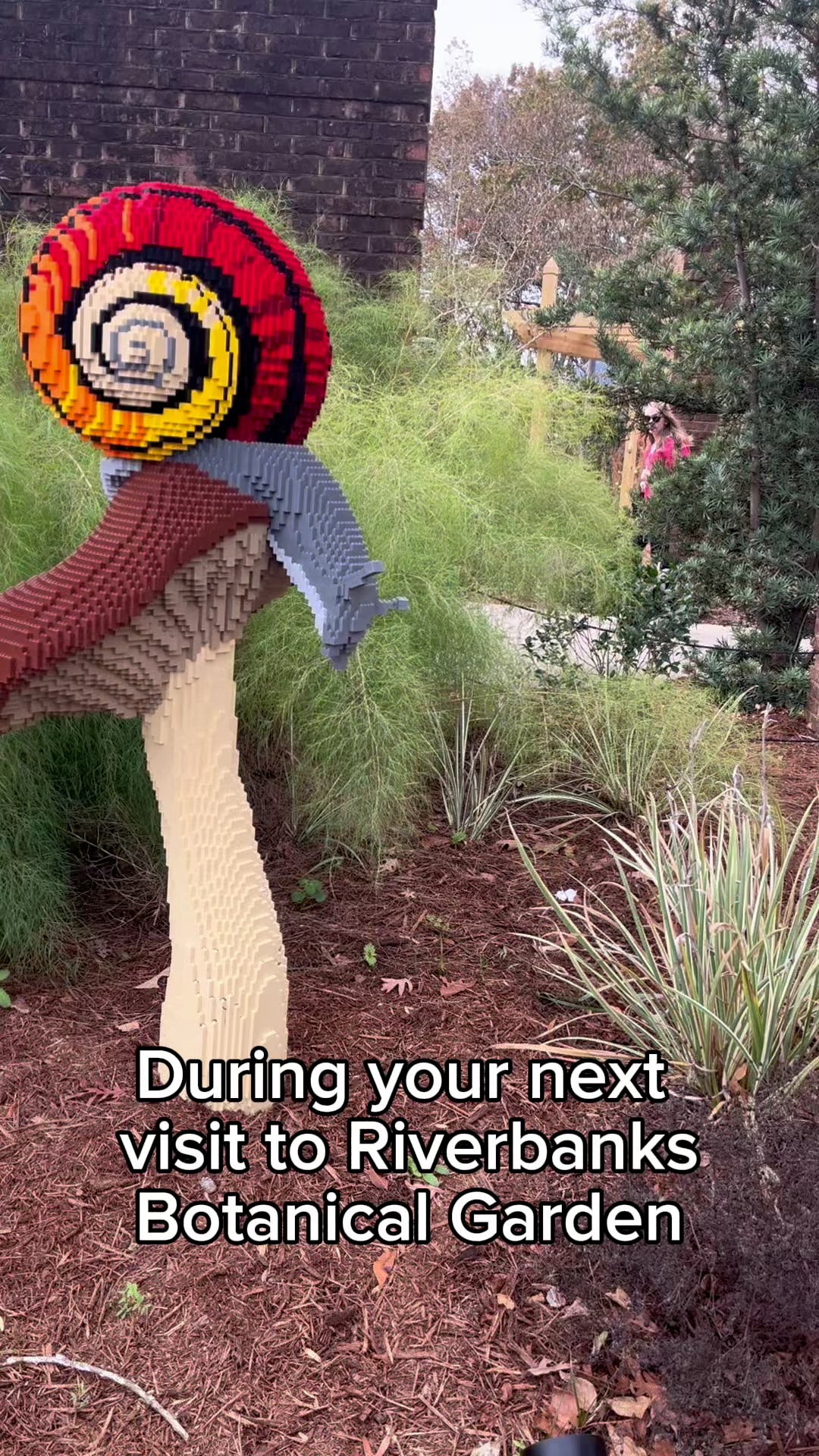
- The integration of the Botanical Garden with the zoo experience.
- Sean Kenney’s Nature Connects exhibition and its significance.
- The importance of sculpture in educating about wildlife and nature.
- The role of art in conservation and connecting visitors with nature.
- Strategies for engaging children and families with nature and wildlife.
The Botanical Garden, often an overlooked gem during typical zoo visits, offers a stunning showcase of flora and fauna that complements the experiences found at a zoo. Integrating a trip to the Botanical Garden into a zoo day provides guests with an opportunity to immerse themselves in rich plant life, appealing displays, and breathtaking landscapes. Beyond just an aesthetic adventure, the Botanical Garden actively works to educate visitors on ecological relationships and biodiversity. The juxtaposition of plants with animal life models nature’s interconnectedness, reminding us that every organism plays a vital role in maintaining ecological balance.
One particularly captivating feature of the Botanical Garden is Sean Kenney’s Nature Connects exhibition, celebrated for its larger-than-life sculptures made from LEGO® bricks. This award-winning exhibit brings imaginative and vibrant representations of wildlife to life. With intricate designs that depict various species in engaging poses, these sculptures not only amuse but also inform. Kenney crafts each piece to highlight the beauty and intricacies of the natural world. From the delicate curve of a butterfly’s wings to the elegant stance of a deer, each creation invites visitors to stop, observe, and appreciate the artistry that mirrors nature itself.
Artworks such as these serve a crucial educational purpose. Each sculpture is not just a playful display; it represents a commitment to wildlife education and conservation awareness. Kenney uses these engaging installations to spark conversations about the importance of preserving natural environments. By seamlessly merging education and art, he highlights pressing issues surrounding habitat loss and extinction. Visitors who might not normally engage with scientific content often find themselves drawn into serious discussions about wildlife conservation through the playful lens of art, thus deepening their appreciation for nature.
Moreover, the exhibitions encourage guests to reflect on the relationship humans have with the environment. The appeal of the LEGO® sculptures captures the imagination of visitors, especially younger audiences. As families stroll through the pathways lined with colorful and cleverly designed installations, they engage with concepts related to habitat preservation, species diversity, and the critical need for ecological stewardship. This creative engagement serves as a foundation for future learning about environmental responsibility. Events often organized around these installations promote hands-on learning experiences, further enriching the visitor experience.
Connecting artistic expression with practical conservation strategies enhances the overall mission of wildlife education and environmental stewardship. The integration of art in the Botanical Garden demonstrates how visual imagery can support scientific endeavors. Educators can use these captivating artworks as tools to explain biological concepts— such as species adaptation, food chains, and ecosystems— in a more relatable and approachable manner.
Children, in particular, are often more receptive to ideas presented in a playful and artistic format. By capturing their interest through art, parents and educators can instill important lessons about nature without overwhelming them with dense scientific terminology. Activities like scavenger hunts or nature walks that involve identifying plant species alongside sculptures can transform a simple stroll into an educational outing. These initiatives lay the groundwork for lifelong appreciation and responsibility toward nature, encouraging the next generation to take enthusiastic action in conservation efforts.
The conceptualization of Sean Kenney’s work embodies the belief that art can act as a catalyst for transformative experiences. His sculptures tell stories of resilience, adaptation, and survival, qualities inherent to nature itself. The intricate details that he incorporates into each sculpture encourage visitors to reflect on their own connections to the environment. Guests have the opportunity to contemplate not only the art but also the broader ecosystems these pieces represent. As they wander through the exhibition, families can discuss the biological significance of the depicted species, thereby fostering critical thinking about natural systems.
The importance of experiencing art in conjunction with the observed beauty of the Botanical Garden cannot be overstated. Visual elements prompt a nuanced understanding of biodiversity and ecosystem dynamics. For instance, seeing a LEGO® replica of a hummingbird next to a blooming passionflower can deepen awareness of plant-pollinator interactions. Recognizing such relationships leads to critical inquiries about habitat preservation and the delicate balance of natural systems.
Further engagement can be achieved through structured educational programs at the Botanical Garden. Workshops and interactive demonstrations enhance the understanding of conservation challenges. Participants can learn about local flora and fauna and what they can do to help protect these resources. The exhibition often elevates these educational objectives by framing lessons within a context of artistic wonder.
The collaborative environment fostered by the combination of art and nature leads to a community-centered approach to conservation. Families become advocates for conservation while enjoying a day of fun and exploration. The incorporation of Sean Kenney’s sculptures attracts diverse demographics, encouraging people from various backgrounds to come together in support of environmental causes. This collective enthusiasm serves a dual purpose: creating a deeper connection between visitors and the natural world while also spotlighting the need for conservation initiatives.
In addition to facilitating recreational learning opportunities, the Botanical Garden has a responsibility to maintain its flora and fauna sustainably. Practicing responsible management and conservation techniques ensures the garden continues to thrive as a vibrant ecosystem for years to come. This commitment fosters a culture where visitors appreciate the challenges involved in preserving natural environments. Responsible gardening practices, which often focus on biodiversity, pollinator conservation, and soil health, can serve as key elements in these educational initiatives.
The promotion of green practices in the Botanical Garden, coupled with the inspirational installations, sets a standard for environmental advocacy. Children who play and explore here become informed citizens who value their role in sustaining the planet. By embedding nature education and conservation awareness at a young age, the garden and zoo experience can lead to a heightened appreciation for wildlife and its habitats.
Through immersive experiences that intertwine art, ecology, and education, visitors to the Botanical Garden during their zoo visits are inspired to observe the world around them more closely. Sean Kenney’s Nature Connects alters perceptions, transforming ordinary experiences into extraordinary educational encounters. As guests navigate the garden, they are invited to engage with art, learn about wildlife, and consider their own responsibilities toward conservation. This multi-faceted approach not only enriches a day at the zoo but also encourages ongoing conversations about the importance of nature, wildlife preservation, and environmental stewardship—a legacy that can benefit generations to come.
*****
Source Description
Be sure to visit the Botanical Garden during your next zoo day and step into a world where nature meets imagination with Sean Kenney’s Nature Connects, made with LEGO® Bricks.
This award-winning exhibition of stunning, larger-than-life sculptures celebrates the beauty of the natural world and our connection to it. 🌍✨
