
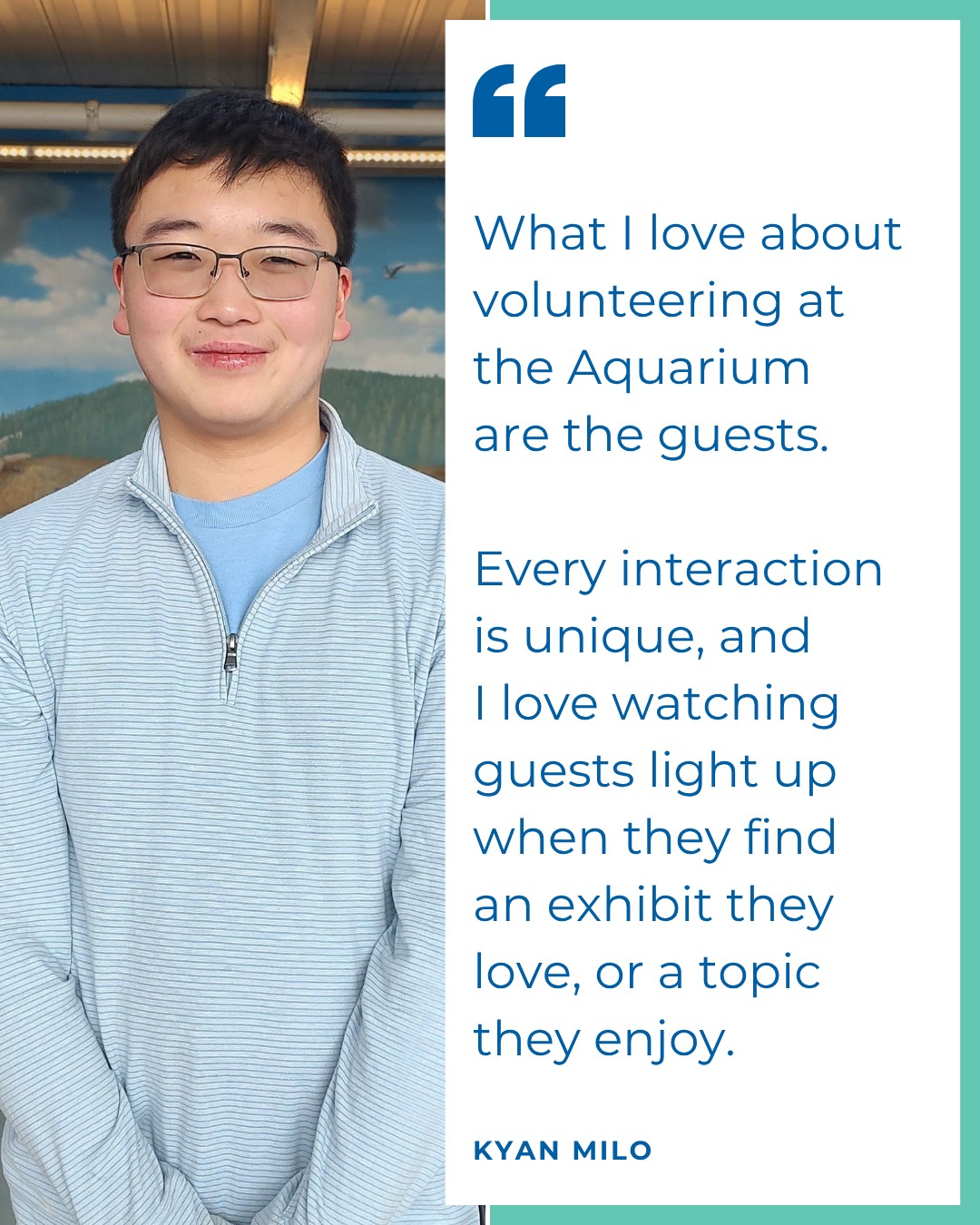
- Kyan’s role and contributions as an ECHO Teen at the Aquarium
- The significance of youth engagement in marine conservation
- Community science and its impact on biodiversity
- Education as a tool for conservation awareness
- How to become a volunteer and the benefits of volunteering
Kyan has been an ECHO Teen at the Aquarium for over two years. His passion for marine life and conservation drives his efforts in educating visitors and participating in hands-on community science activities. As an ECHO Teen, Kyan inspires action to protect our blue planet while engaging with guests through mission-aligned activities. This article explores his contributions, the role of young volunteers in conservation, and how individuals can engage in such efforts.
Kyan’s journey began as he sought to make a meaningful contribution to marine conservation. The ECHO Teen program provides youth with opportunities to engage in relevant initiatives. Their role is not only to assist but to lead guests in activities designed to raise awareness about ocean health. Kyan’s enthusiasm makes him an effective educator. He interacts with audiences, sharing vital information on marine habitats, the importance of biodiversity, and how individual actions can influence environmental health.
Youth involvement is critical in marine conservation. Research suggests that engaging students and young adults in environmental issues fosters a long-term commitment to ecological stewardship. Kyan is a prime example of this. As teens like him participate in experiential learning, they develop a deeper understanding of environmental challenges. Their energy and innovative ideas can drive change, reaching peers who may not be as engaged.
Hands-on community science projects are a cornerstone of the ECHO Teen program. Through these initiatives, volunteers, including Kyan, collect valuable data on local marine ecosystems. This data contributes to broader conservation efforts by providing crucial insights into species populations and ecosystem health. For instance, monitoring the health of coral reefs or tracking migratory patterns of fish species can help scientists understand the impact of climate change and other environmental stressors.
Education plays a vital role in enhancing public awareness about marine issues. Kyan participates in various educational activities that target different age groups. From interactive exhibits to guided tours, each presentation is an opportunity to share knowledge. He discusses the effects of pollution, overfishing, and habitat destruction. By breaking down complex scientific concepts into relatable narratives, he effectively captivates his audience. Educational outreach is crucial; when the public understands these issues, they are more likely to take action in their daily lives.
Volunteering at the Aquarium not only benefits the organization but also enriches the volunteers. By working alongside seasoned professionals, Kyan gains invaluable experience that enhances his skills. He learns about animal behavior, ecology, and conservation strategies. Such exposure can inspire him to pursue a career in marine biology or environmental science. Ultimately, these experiences shape informed individuals who can advocate for sustainable practices.
For those interested in following in Kyan’s footsteps, learning how to become a volunteer is straightforward. The Aquarium provides information about volunteer opportunities through their website and social media channels. Potential volunteers should look for programs that align with their interests and skills. Engaging in community service allows individuals to develop new skills while contributing to meaningful conservation efforts. It also fosters a sense of community among those passionate about protecting the environment.
The contributions of Kyan and other ECHO Teens highlight the importance of youth engagement in marine conservation. By actively participating in educational programs and community science, they serve as catalysts for change. Their efforts help raise awareness, educate the public, and gather essential data that informs conservation strategies.
The challenges facing our oceans are immense. Pollution, climate change, overfishing, and habitat destruction present significant threats to marine ecosystems. However, youth like Kyan are resilient pioneers in the fight against these issues. Their involvement is a testament to the potential for younger generations to effect real change in the realm of conservation.
The data collected by ECHO Teens during community science projects can drive critical research efforts. Conservation organizations rely on citizen scientists to supplement their data collection efforts. Young volunteers often bring fresh perspectives and methodologies to scientific research, contributing to innovative solutions for conservation challenges. Their work also highlights the need for interdisciplinary approaches that integrate science, education, and community involvement in creating sustainable solutions.
Local community engagement is just as important as institutional efforts in conservation. Kyan’s initiatives involve collaborating with local schools and community groups to promote ecological education. This grassroots approach builds a foundation of support for marine conservation, encouraging local citizens to participate actively. Workshops, clean-up events, and educational outreach can mobilize entire communities to take part in conservation efforts.
Moreover, Kyan’s role as a youth ambassador inspires his peers to become actively involved in environmental stewardship. The positive influence of leaders like him can motivate others to take action, be it through advocacy, volunteering, or adopting sustainable practices in their daily lives.
As technology advances, the field of community science continues to evolve. Apps and digital platforms allow volunteers like Kyan to easily share findings and engage larger audiences. This increase in accessibility permits more individuals to partake in citizen science. As technology becomes more integrated into environmental research, Kyan’s participation reflects a broader movement toward collaborative conservation efforts.
Volunteering also plays a critical role in personal development. Young individuals gain skills that extend beyond conservation. Leadership, teamwork, and communication skills are invaluable in various life aspects. These experiences help shape well-rounded individuals who are prepared to tackle future challenges, not just in conservation but in any field they choose to pursue.
The ECHO Teen program demonstrates that education and engagement are fundamental in fostering a culture of conservation. Kyan represents a new wave of change-makers who are passionate about protecting the environment. His commitment underscores the potential for youth to lead initiatives that positively impact marine ecosystems.
As more young people step forward to advocate for marine conservation, the importance of mentorship becomes clear. Experienced mentors guide and support youths like Kyan, providing them with the tools needed to succeed. These relationships foster growth and maintain the momentum of conservation efforts through shared knowledge and collaboration.
In addition to direct action, Kyan emphasizes the role that informed consumers play in conservation. The choices individuals make can have profound effects on the environment. Understanding the impact of consumer behavior on marine ecosystems is crucial. As young volunteers spread this knowledge, they empower others to make more environmentally conscious decisions.
Ultimately, Kyan’s journey as an ECHO Teen at the Aquarium exemplifies the positive outcomes that can arise from youth engagement in marine conservation. His story inspires a broader commitment to environmental stewardship and demonstrates the significant role that education plays in raising awareness about marine life and ecosystems. As more individuals become involved, a collective effort can lead to meaningful change, fostering a more sustainable future for our oceans.
By highlighting Kyan’s contributions, we illustrate the vital role that similar programs play in shaping future leaders in conservation. This commitment to educational outreach is essential not just for current generations but for the health of our planet for years to come. Encouraging a new generation of environmental advocates is imperative to addressing the pressing challenges facing our oceans and ensuring their protection for the future.
For those eager to join this movement, discovering how to become a volunteer opens a world of opportunities to make a difference and contribute to the conservation of our blue planet. Whether through hands-on activities, fundraising, or advocacy, every effort counts in the journey toward marine conservation.
*****
Source Description
This month’s volunteer spotlight is Kyan!
Kyan has been an ECHO Teen at the Aquarium for over two years. As an ECHO Teen, he inspires action to protect our blue planet by leading guests through mission-aligned activities and participating in hands-on community science opportunities.
We appreciate the great work he has done.
To learn how to become a volunteer, visit the link in our bio.
