
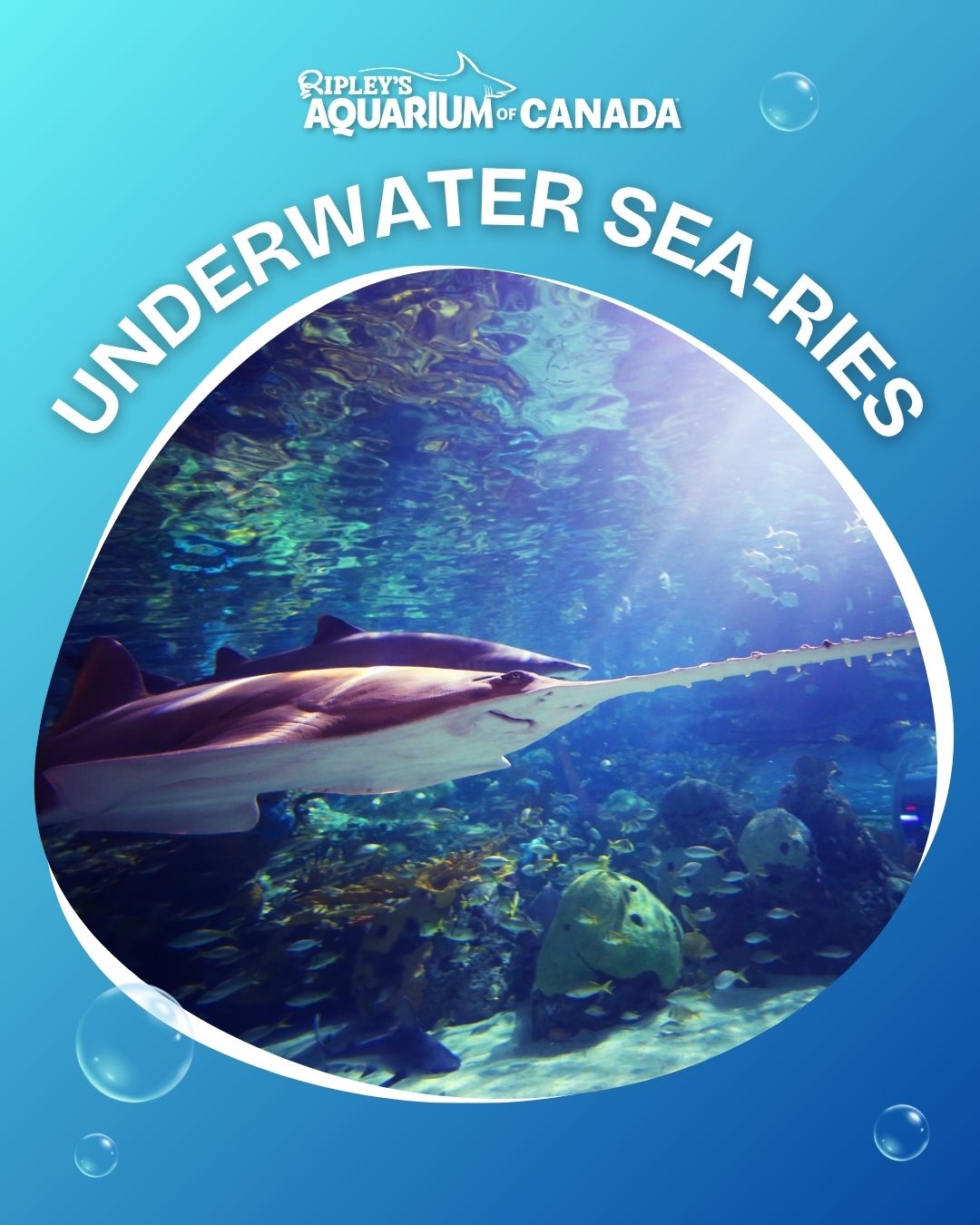
- Importance of Sharks and Rays in Marine Ecosystems
- The Role of Elasmobranchs in Carbon Sequestration
- Overview of Underwater SEA-ries and Voting Process
- Highlighting Featured Species in Round Three
- The Future of Sharks and Rays Conservation
Sharks and rays play crucial roles in maintaining the health and balance of marine ecosystems. As apex predators, sharks regulate the populations of species below them in the food chain, ensuring that no single prey species overpopulates. This top-down control is essential for maintaining biodiversity and promoting healthier ecosystems. They contribute to a balanced food web that allows other marine organisms, including fish and invertebrates, to thrive. For example, if shark populations decline, an explosion of prey species can occur, leading to overgrazing and ecosystem degradation.
Additionally, rays serve as important benthic predators. They help control populations of bottom-dwelling organisms and contribute to sediment health. This is vital for various habitats, such as coral reefs and seagrass beds, which are essential for numerous marine species, including fish and sea turtles. The health of these habitats influences overall ocean health and biodiversity.
The role of elasmobranchs, which include both sharks and rays, in carbon sequestration should not be underestimated. They contribute significantly to this process, partially due to their feeding habits, which can impact seagrass growth. Seagrasses have the remarkable ability to absorb carbon from the atmosphere, effectively acting as natural carbon sinks. When sharks limit the grazing pressure on herbivores that consume seagrasses, they indirectly promote the health and growth of these plants.
The Underwater SEA-ries invites you to take part in a voting process dedicated to showcasing your favorite species. This dynamic interactive engagement allows marine enthusiasts to contribute to the awareness surrounding sharks and rays. The polls, held in stories across social media platforms, provide an opportunity for participants to express their preferences and learn about different species.
Round Three of the Underwater SEA-ries focuses on several pivotal species. These species were selected based on their ecological importance, unique adaptations, and conservation statuses. Each species has evolved to thrive in specific environmental conditions. By voting for your favorite, you play a role in advocating for their conservation. Your engagement can generate awareness about their challenges and the necessity of protecting both sharks and rays.
Some featured species in Round Three include the Great White Shark, Hammerhead Sharks, Manta Rays, and Nurse Sharks. The Great White Shark is an iconic species, recognized for its size, power, and role as a top predator. Its presence in coastal ecosystems indicates a healthy environment. Conversely, Hammerhead Sharks are renowned for their distinctive head shape, which enhances their ability to hunt. They tend to be highly social and can often be seen in schools, particularly during mating seasons.
Manta Rays, on the other hand, are known for their grace and elegance. These gentle giants feed on plankton and have a unique feeding behavior, involving filter-feeding. They are crucial for maintaining the balance of plankton populations, which, in turn, supports various marine food webs. Nurse Sharks are fascinating as they are often found resting on the ocean floor. Their presence in shallow waters contributes to local ecosystems’ health.
The final results of the Underwater SEA-ries will be shared on Sharks & Rays Awareness Day, celebrated on July 14th. This designated day is crucial for raising awareness about the threats these species face. According to the International Union for Conservation of Nature (IUCN), a significant number of shark and ray species are threatened with extinction, primarily due to overfishing, habitat loss, and climate change. Engaging in this voting process serves as a fundamental step toward advocating for their protection and highlighting the pressing need for conservation initiatives.
Furthermore, conservation efforts for sharks and rays are increasingly urgent as the global population rises and oceanic environments degrade. Practical measures such as establishing marine protected areas (MPAs) help to provide safe habitats for these species. MPAs restrict harmful activities and support the recovery of marine ecosystems. Organizations are also lobbying for better fisheries management to ensure sustainable practices that do not compromise shark and ray populations.
Education plays a pivotal role in conservation efforts. Raising awareness about the ecological importance of sharks and rays helps mitigate the stigma that often surrounds them. Fear-driven misconceptions can lead to their decline and habitat destruction. By participating in the Underwater SEA-ries and educating others, you advocate for improved understanding and appreciation.
In summary, the Underwater SEA-ries provides an engaging platform to vote for your favorite elasmobranch species while increasing awareness of their vital role in ocean ecosystems. By participating, you are directly contributing to the conversation about the conservation of sharks and rays. As the winner will be announced on July 14th, this initiative underscores the urgency of protecting these species and enhancing our collective responsibility toward marine conservation.
*****
Source Description
Vote for your favourite species in Round Three of our Underwater SEA-ries 🦈🌊
Dive in to Sharks & Rays Awareness Day with our elasmobranch bracket 🌟 We’re posting polls in our stories where you get to vote who is the ultimate species!
❗️Sharks and rays play vital roles in the ocean’s ecosystems❗️
Sharks keep ocean ecosystems in balance directly and indirectly because they limit the abundance of their prey; this helps maintain a healthy structure throughout the food web. Sharks also keep carbon out of the atmosphere by preventing overgrazing of seagrass by their prey. Seagrasses absorb vast amounts of carbon and store it within themselves and in sediment, blocking gases from warming the atmosphere!
Our Underwater SEA-ries winner will be announced on Monday, July 14th – Sharks & Rays Awareness Day!
Don’t miss a minute 🔔 Be SHORE to turn on our notifications!
