
- The significance of the Feather flex alert in peacock mating rituals
- Understanding the biology and mechanics of train rattling
- The role of feather color and patterns in sexual selection
- Environmental factors influencing peacock behavior
- Conservation efforts and the importance of preserving peacock habitats
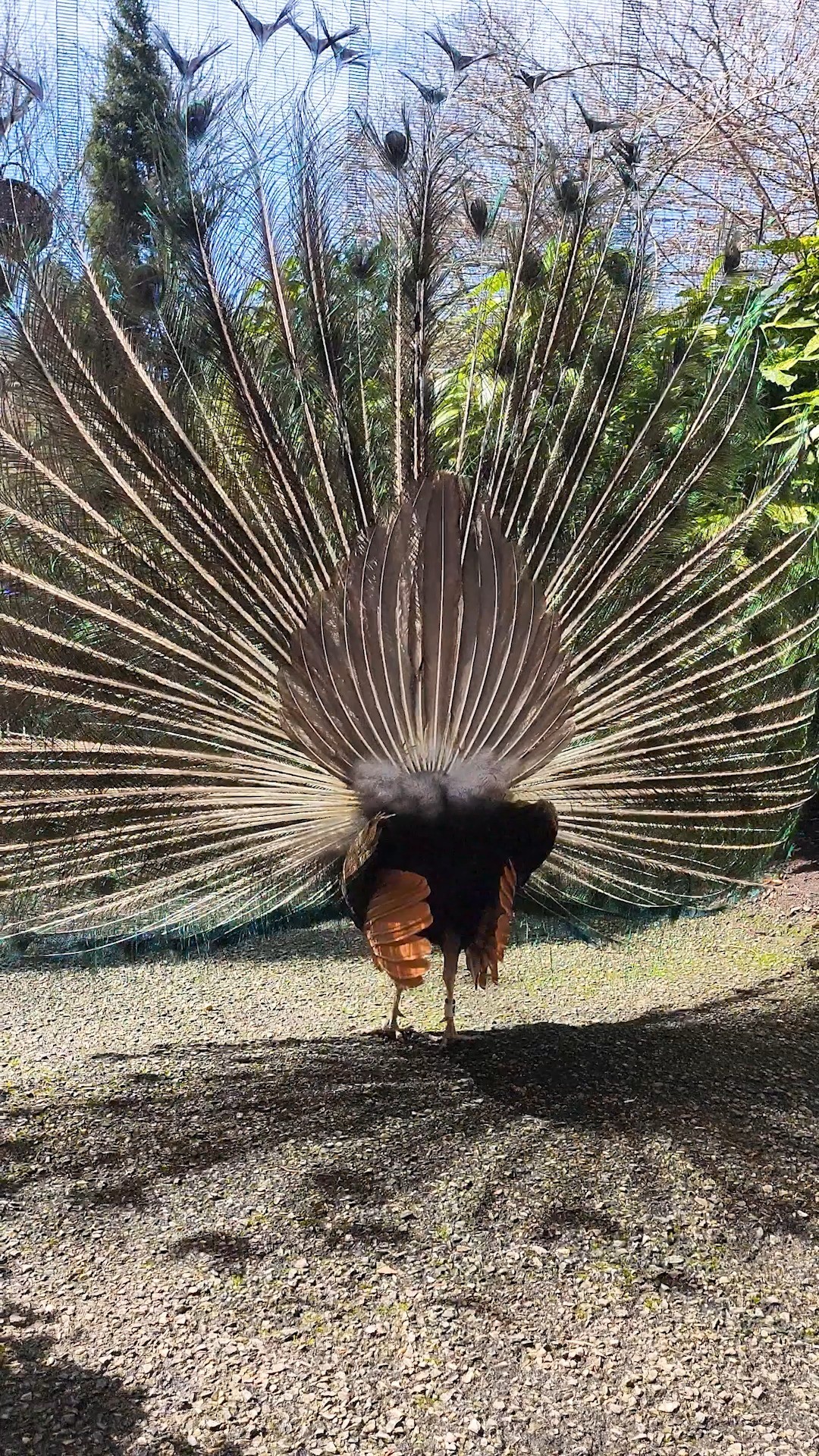
The Feather flex alert, commonly recognized through the display of male peacocks, serves a crucial purpose in the world of avian courtship. This vibrant show involves movements and sounds—often called “train rattling”—which aim to captivate the attention of potential mates. The visual spectacle is not only beautiful but a sophisticated biological event, reflecting the peacock’s evolutionary adaptations aimed at reproductive success.
The significance of the Feather flex alert extends beyond mere aesthetics. It plays a critical role in the mating rituals of peacocks. Males begin their display by raising and fanning their extravagant tail feathers, known as the “train.” This plumed display can reach lengths of up to five feet, and the feathers shimmer in various vibrant colors, particularly iridescent blues and greens. While visual attraction is evident, the audible component, made by rustling their feathers, plays an equally important role. Such auditory signals may serve to not only attract females but also deter rival males.
Understanding the biology and mechanics of train rattling reveals how this display operates. When a peacock flexes its feathers and produces the associated sounds, it initiates a complex interaction of muscular movements and feather mechanics. The specialized structure of each feather allows for the production of low-frequency sounds when the feathers are vibrated. These sounds can travel over long distances, making it a significant mode of communication in dense habitats. This display also requires significant energy, indicating to potential mates that the male is robust and healthy enough to perform such strenuous activities.
Moreover, feather color and patterns play a prominent role in sexual selection. Scientifically, researchers define sexual selection as a mechanism of evolution where certain traits increase an individual’s chances of attracting a mate. The coloration of peacock feathers is primarily due to microscopic structures that reflect light rather than pigments. This structural coloration leads to the dazzling visuals during the Feather flex alert. Studies have shown that females often prefer males with larger trains and more vibrant colors, which are typically indicators of genetic fitness and overall health. The correlation between the size of the train and the male’s chances of reproductive success has been thoroughly documented, demonstrating the importance of these traits in the peacock’s mating ecosystem.
Environmental factors also play a significant role in influencing peacock behavior. Natural habitats such as forests, grasslands, and wetlands provide the essential conditions for peacocks to thrive. These locations are rich in food sources, such as insects and seeds, as well as proper nesting sites. However, changes in habitat due to urbanization, deforestation, and climate change pose serious threats to their survival. The availability of resources can directly impact the overall health and reproductive success of peacocks, ultimately affecting their behaviors related to the Feather flex alert. As their habitats change, so do the rituals that are central to their mating practices.
Conservation efforts aimed at preserving peacock habitats are vital in maintaining the health of bird populations and their unique courtship behaviors. Many organizations focus on protecting natural habitats, raising awareness about the importance of biodiversity, and implementing breeding programs. Protecting these habitats not only supports peacocks but also benefits a myriad of other species that share their environment. By ensuring that ecosystems remain intact, wildlife conservationists can enhance the chances of future generations of peacocks engaging in their traditional displays. This commitment to environmental stewardship is crucial for maintaining not just peacocks but the overall ecological balance.
The Feather flex alert, through its stunning visuals and intricate mechanics, offers an avenue into understanding the fascinating world of sexual selection in avian species. This display provides insights into the biology and behavior of peacocks, emphasizing the essential connections between species and their habitats. By presenting a cohesive understanding of these themes, it becomes evident that the preservation of this vibrant display is crucial not only for peacocks but also for the diverse ecosystems they inhabit. The interplay between environmental conditions, physical attributes, and reproductive success illustrates the intricate dance of evolution that thrives in the natural world.
As interest in avian behavior grows, particularly concerning species like the peacock, ongoing research and public awareness campaigns can foster a deeper appreciation for wildlife. Understanding the importance of these elaborate displays can stimulate interest in broader conservation efforts, ensuring that future generations can observe peacocks as they engage in the Feather flex alert—a vivid exhibition of nature’s artistry.
Peacocks, through their awe-inspiring displays, contribute to our understanding of evolutionary biology and the delicate balance of ecosystems. As we work to protect their habitats, we uncover the vibrant performances they offer—the Feather flex alert—signifying the interplay of beauty, biology, and conservation. This knowledge not only solidifies the role of peacocks in nature but also emphasizes the urgency of preserving their environments for a flourishing future. Through diligent efforts all around, we recognize the key role that education and awareness play in guiding conservation practices and promoting a sustainable existence for wildlife. By combining scientific understanding with advocacy, we can work towards a healthier planet where both vibrant species like the peacock and their intricate displays thrive for generations to come.
*****
Source Description
Feather flex alert! 🦚
This vibrant display, performed by male peacocks, is called “train rattling” and is used to attract potential mates!
