
- The significance of King County Prop 1 for wildlife conservation and education.
- How urban parks play a role in habitat preservation and biodiversity.
- The benefits of supporting local educational institutions like the Seattle Aquarium and Woodland Park Zoo.
- The role of community involvement in environmental stewardship and wildlife preservation.
- Understanding the scientific principles behind effective conservation measures.
Voting with wildlife in mind represents a powerful opportunity for local communities to take meaningful action against broader environmental challenges. King County Prop 1 is a prime example of this approach, focusing on crucial investments in educational programming at institutions like the Seattle Aquarium and Woodland Park Zoo while also safeguarding vast areas of parks, forests, and wildlife habitats. This initiative not only nurtures ecological balance but also fosters a deeper connection between people and nature.
The significance of King County Prop 1 cannot be overstated. This proposition aims to enhance the region’s environmental health, which is crucial as urban development continues to threaten natural landscapes. By voting YES on Prop 1, residents are choosing to fund projects that have a lasting impact on wildlife conservation. Access to parks and preserved areas allows for the maintenance and growth of diverse ecosystems. Effective funding can help establish vital programs that provide educational resources about local wildlife and environmental practices.
Urban parks are essential to both human and wildlife populations. They serve as critical habitats for many species that might struggle to survive in more heavily urbanized settings. The parks in King County are designed not only for recreation but also for ecological conservation. For instance, they provide corridors for animals to traverse urban landscapes safely. These green spaces help maintain biodiversity, offering a refuge for everything from migratory birds to small mammals. Research shows that urban parks can sustain wildlife populations while also improving air quality and reducing urban heat, contributing to overall community health and well-being.
The educational initiatives supported by Prop 1 further enhance wildlife conservation efforts. The Seattle Aquarium and Woodland Park Zoo play crucial roles in promoting awareness about marine and terrestrial ecosystems. Their programs aim to educate visitors about local wildlife, the challenges they face, and how individuals can contribute to their protection. Through interactive exhibits, educational workshops, and community outreach, both institutions foster a sense of responsibility and stewardship among visitors. Informed communities are better equipped to engage in conservation efforts and advocate for policies that protect natural resources.
Moreover, the educational programs extend beyond just teaching people about animals; they also provide insights into the functioning of ecosystems and the importance of biodiversity. Understanding the interconnectedness of species and their environments encourages individuals to take actionable steps, creating a more informed public that values conservation. Research emphasizes the necessity of promoting such knowledge; it can significantly influence public attitudes toward environmental issues and drive community-led conservation initiatives.
Community involvement plays a vital role in wildlife preservation. Supporting Prop 1 is an opportunity for King County residents to make their voices heard regarding the importance of nature in their lives. Engaging the community in conservation efforts not only amplifies the impact of initiatives like Prop 1 but also fosters a culture of collaboration. Volunteers can participate in habitat restoration projects, educational programs, and awareness campaigns, leading to increased public engagement and networked environmental action. When people feel connected to the natural world, they are often more motivated to protect it.
The success of wildlife conservation initiatives relies heavily on a foundational understanding of ecological principles. For example, involving the community in sustainable practices requires knowledge of local flora and fauna, as well as the delicate balances that govern ecosystems. When ballot measures like Prop 1 include scientific components, they provide the public with the resources to align their actions with conservation goals. Scientific data helps guide decisions around land use, wildlife management, and climate strategies, making the case for conservation through empirical evidence.
A key aspect of successful wildlife conservation also involves focusing on the underlying challenges faced by urban ecosystems. Issues such as habitat fragmentation, pollution, and climate change threaten the sustainability of wildlife. Prop 1 addresses these factors by earmarking funds for projects that aim to rebuild habitats and restore ecological functions. Such measures can include planting native trees, removing invasive species, and improving water quality in local streams and rivers. By creating healthy environments, communities are more likely to support diverse wildlife populations in previously marginalized urban landscapes.
Informing residents about their local ecosystems strengthens community ties and cultivates a shared responsibility for nature. Prop 1 can serve as a catalyst for educational campaigns that highlight the importance of preserving local habitats. When residents learn about the wildlife in their area, they often develop a vested interest in their well-being. This heightened awareness can lead to increased participation in local conservation efforts and the creation of community-driven projects aimed at nurturing biodiversity.
The impact of legislation like Prop 1 can ripple through communities, instilling a sense of pride and ownership in local natural resources. When individuals recognize the direct benefits of conserving their environment, they are more likely to engage in long-term stewardship. This sense of responsibility—both social and ecological—can drive behavioral change, promoting sustainable practices that benefit future generations.
Wildlife education also serves to highlight the interconnectedness of species, emphasizing that protecting one facet of the ecosystem benefits others. For instance, programs focusing on shark conservation might spotlight the importance of shoreline habitats for fish species that support local foraging birds. This holistic approach encourages a better understanding of the value of ecological connections and the impact of individual actions on larger environmental issues.
King County Prop 1 encapsulates the philosophy that conservation is a communal endeavor. The support of local educational institutions, such as the Seattle Aquarium and Woodland Park Zoo, demonstrates the importance of nurturing partnerships between governments, nonprofits, and community members. Done correctly, these collaborations can set benchmarks for successful wildlife conservation in urban settings, illustrating that it is possible to balance development with ecological commitment.
Awareness campaigns and educational initiatives can create opportunities for diverse audiences to engage with nature. Extending programming to schools, youth organizations, and senior centers ensures that people of all ages have access to information about local wildlife. This accessibility can foster a collective responsibility towards conservation goals, bringing together residents from various backgrounds to protect their shared environment.
As King County residents receive their ballots, they should thoughtfully consider the implications of each vote. By supporting Prop 1, they endorse a vision for the future—one that prioritizes wildlife conservation and works toward sustainable urban living. This proposition underlines the philosophy that seeing neighborhoods flourish alongside nature is not only beneficial but achievable.
Community-driven conservation efforts supported by Prop 1 hold the potential to change how urban dwellers perceive their role in the natural world. Voting YES on this proposition embodies a commitment to a healthier environment and exemplifies a proactive approach to wildlife conservation in urban areas. By selecting policies that promote education and habitat protection, King County residents set a precedent for other urban centers to follow, crafting a legacy that bridges the gap between civilization and nature.
As the ballot season approaches, the collective choice to support wildlife education and habitat preservation has the power to resonate far beyond King County. It serves as a model for how communities nationwide can come together to safeguard their natural resources, prioritizing sustainable living while enriching the experience of connecting with wildlife. Recognizing that voting with wildlife in mind is always cool is more than just a catchy phrase; it reflects a movement toward embracing nature in daily life and nurturing the ecosystems on which we all depend.
*****
Source Description
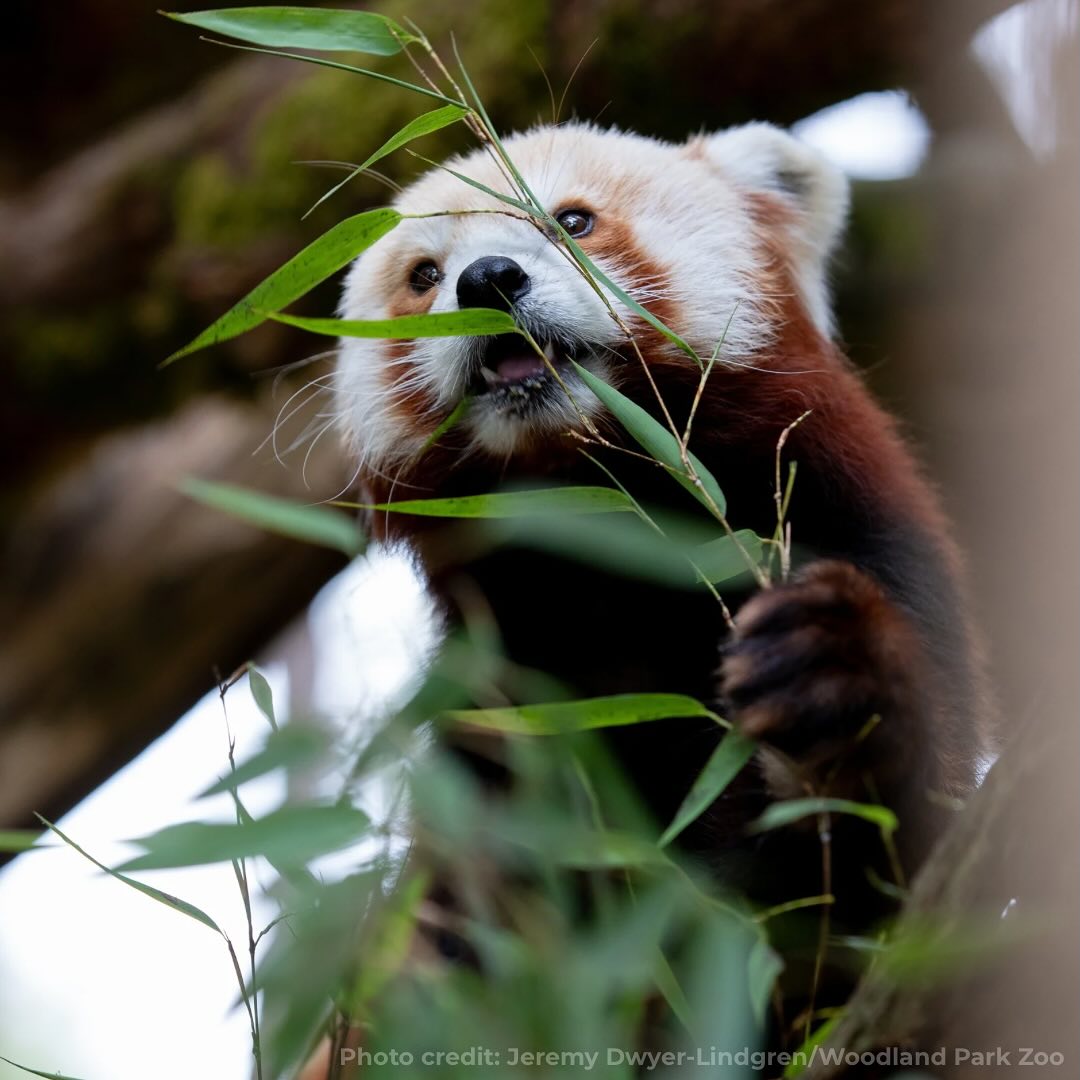
Reminder, voting with wildlife in mind is always cool. 🐻🦈🐯🦭🐼🌿
Vote YES on King County Prop 1 to support educational programming at the @SeattleAquarium and @WoodlandParkZoo and to safeguard thousands of acres of parks, forests, wildlife habitat, waterways, and open space setting an example of how urban areas can protect our air, water, and climate while giving us all places to get outside and enjoy nature. 🗺️
Check the mail for your King County ballot this week! 🗳️
