
Summary of Otter Pups Ready to Take the Plunge:
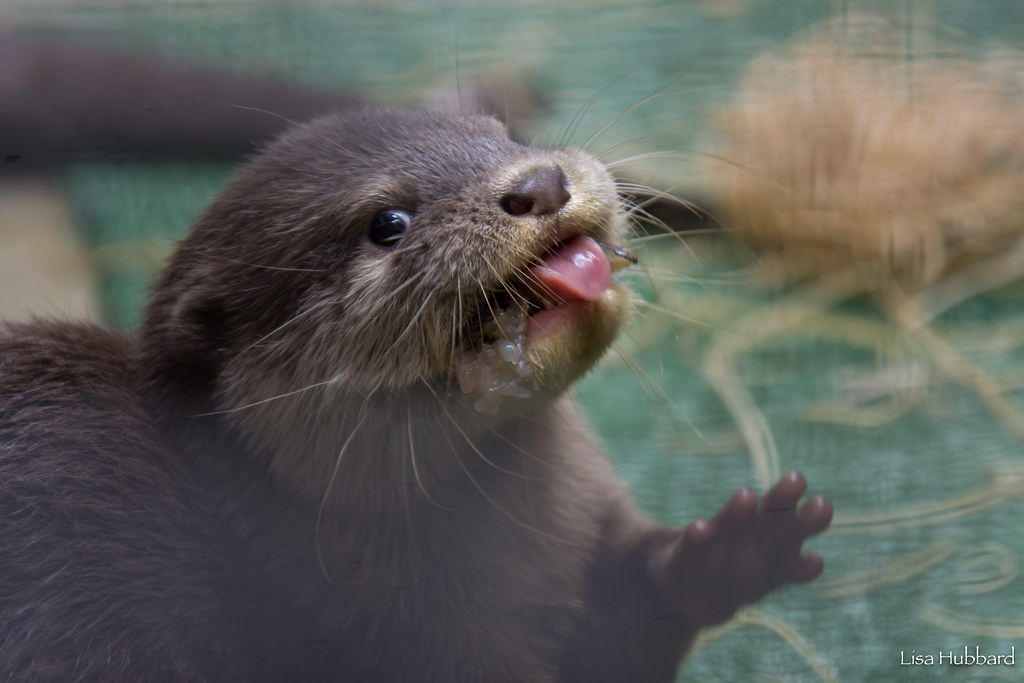
Starting tomorrow, visitors to the Cincinnati Zoo & Botanical Garden can see the Asian small-clawed otter pups—Ripple, Splash, Puddles, and Scuttle—in their outdoor habitat after completing swim lessons. They will be viewable in the Elephant Trek area, though visitors should note that the pups may be napping at times. The pups, born on May 9, 2025, have been bonding with their parents, Munti and Flounder. The first opportunity for zoo members to see the otters will be at 9 a.m., followed by a public opening at 10 a.m. The zoo encourages visitors to thank the zookeepers during National Zookeeper Week and offers a mobile app for directions to the otters’ habitat.
- The significance of Asian small-clawed otters in ecosystems and conservation.
- An overview of Ripple, Splash, Puddles, and Scuttle, including their birth and upbringing.
- The role of zoos in animal education, conservation, and community engagement.
- Details surrounding otter behavior, training, and swimming lessons.
- The importance of zookeeper responsibilities and their impact on animal welfare.
Asian small-clawed otters play an essential role in aquatic ecosystems. As semi-aquatic mammals, they contribute to the health of river and wetland habitats. By controlling fish populations and maintaining a balanced ecosystem, otters are vital for biodiversity. Their playful nature makes them a focal point for habitat conservation efforts, further emphasizing their role in promoting environmental stewardship.
Ripple, Splash, Puddles, and Scuttle, the newest additions to the Cincinnati Zoo & Botanical Garden, were born on May 9, 2025. These pups are not just adorable but also represent the success of dedicated breeding and conservation efforts. Under the watchful guidance of their parents, Munti and Flounder, these otter pups have gained confidence and skills in their controlled environment. Having spent their early days bonding with their parents, they are now prepared for the public to observe their playful antics and developmental milestones.
The function of zoos extends beyond habitat display. They serve as centers for education and conservation. Zoos such as the Cincinnati Zoo provide enriching experiences that inform visitors about the species they house. In an era where many species are threatened, zoos endeavor to raise awareness around conservation efforts and the necessity to protect wildlife. Programs that promote the welfare of animals, like the one at Cincinnati Zoo, cultivate a community attitude toward conservation.
Training and swimming lessons for otters, specifically for pups like Ripple, Splash, Puddles, and Scuttle, are vital in facilitating their adaptation to larger environments. These training programs often involve gradual exposure to swimming in indoor pools where the water can be monitored. During these swim lessons, zookeepers ensure that the pups develop confidence while swimming. The bonding moments during these activities also enhance social interactions among the pups and their parents.
The transition to the outdoor habitat at the Cincinnati Zoo marks an important milestone in their development. The pups’ initial experiences in a natural setting equip them with skills necessary for survival in the wild. Observing their behavior will provide insights into their readiness for the outside world, though it is expected that they will have moments of slumber in their nest boxes. Understanding that animals, like otters, require sufficient rest is crucial to animal care practices.
Zookeeper responsibilities are critical to ensuring the well-being of the otter pups. These professionals play a fundamental role in nurturing, managing, and educating visitors about the animals in their care. The dedication of the zookeepers is particularly emphasized during special events like National Zookeeper Week, where the focus is on expressing appreciation for their hard work. The expertise they bring is essential in creating safe, enriching environments for the animals.
During their outdoor debut, visitors can expect a lively display of sibling interactions. Otter pups are often engaged in playful behavior as they develop their social skills. Sibling squabbles over toys or play-fighting can be an entertaining observation for zoo-goers, signifying essential learning experiences that contribute to their socialization. The term “otter chaos” aptly describes the energy that defines their play, marking a period of rapid growth.
Cincinnati Zoo has taken proactive steps to enhance visitor engagement. The introduction of a mobile app that includes a GPS-enabled digital map aids visitors in locating the habitats of Ripple, Splash, Puddles, and Scuttle. This tool effectively encourages guests to experience the otters’ outdoor habitat at various times throughout the day, accommodating the pups’ napping schedules.
In summary, Ripples, Splash, Puddles, and Scuttle showcase the importance of conservation efforts and educational initiatives within zoos. The Cincinnati Zoo serves as a vital resource in fostering an understanding of wildlife and encouraging community involvement in conservation. Visitors are invited to appreciate the efforts taking place in their local zoos and consider the broader implications of these experiences on wildlife sustainability.
As the public looks forward to interacting with these adorable pups, it is an excellent opportunity to reflect on the importance of engaging with nature and promoting habitat conservation. By understanding species-specific behaviors and their ecological importance, visitors can nurture a deeper connection to wildlife, fostering a collective commitment to environmental preservation.
