
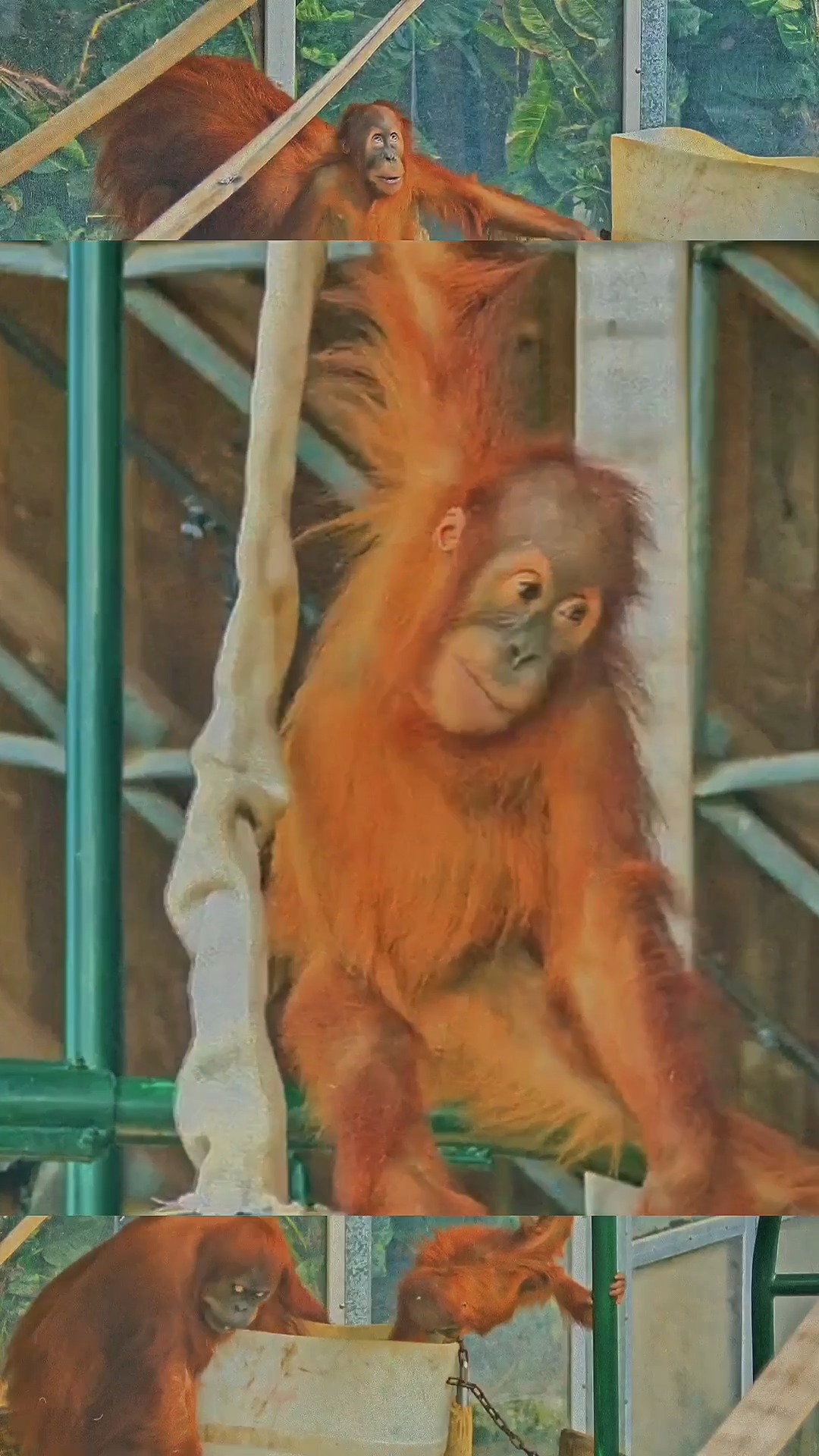
- Wali the Sumatran orangutan: A unique profile
- The importance of conservation efforts for orangutans
- Engaging with Wali through ZoLife: An interactive experience
- The role of zoos in wildlife education and conservation
- Supporting Toronto Zoo’s initiatives
Wali the Sumatran orangutan is an ambassador for his species, captivating visitors at the Toronto Zoo. As one of Canada’s only Sumatran orangutans, Wali embodies the vital role of zoos in conservation. He provides an invaluable opportunity to educate the public about the challenges orangutans face in the wild. Understanding Wali not only offers insight into his life but also underscores the importance of conservation efforts aimed at protecting this critically endangered species.
The Sumatran orangutan, scientifically known as Pongo abelii, is native to the islands of Sumatra and Borneo. Sadly, their populations are dwindling due to habitat loss, illegal hunting, and the illegal pet trade. The International Union for Conservation of Nature (IUCN) classifies Sumatran orangutans as Critically Endangered, with estimates suggesting fewer than 14,000 individuals remain in the wild. The situation is dire; substantial deforestation due to palm oil cultivation has drastically reduced their habitat. It is essential to raise awareness and support initiatives that can reverse these trends.
Wali serves as a captivating bridge between wildlife and human audiences. The interactive platform ZoLife allows people from around the world to watch him live. This experience highlights how engaging with wildlife can foster a deeper appreciation for nature. With every subscription, 50% of the proceeds go directly to the Toronto Zoo’s conservation science programs, enhancing efforts aimed at preserving orangutans and their habitats. This initiative encourages a collective responsibility towards wildlife preservation.
Engaging with Wali offers educational benefits beyond just being entertained. It is an opportunity to learn about the complexities of orangutan life, behavior, and their ecological significance. Humans share approximately 97% of their DNA with orangutans, making the need for their conservation imperative. Understanding their cognitive abilities and social structures can enrich our knowledge of primate behaviors and evolution. Wali, like other orangutans, is known for his intelligence and ability to use tools, which sheds light on the cognitive capabilities of non-human species.
Zoos play an essential role in wildlife education and conservation. Facilities like the Toronto Zoo are crucial for species preservation, research, and public education. They operate breeding programs designed to bolster populations facing extinction and conduct restorative projects aimed at habitat conservation. In addition, zoos often collaborate with global organizations to conduct field research, improving conservation strategies across various ecosystems. These partnerships enhance scientific understanding while increasing awareness of biodiversity.
Wali’s daily activities and personality are also a point of interest for visitors and viewers alike. Observing him swing gracefully through his habitat not only brings joy but also educates people on the physical adaptations that allow orangutans to thrive in their natural environment. Their long arms and strong grip facilitate climbing and swinging between trees, essential for foraging and nesting. Watching these behaviors reinforces the connection between the species and their habitat.
One of the most crucial aspects of orangutan conservation is habitat restoration. Organizations worldwide are advocating for sustainable palm oil production to protect the remaining forests. By supporting ethical buying practices and promoting awareness among consumers, we can reduce the demand for palm oil that devastates orangutan habitats. The campaign for sustainable palm oil seeks to marry economic growth with environmental protection, providing a path forward for both local communities and endangered species.
In addition to habitat preservation, tackling the illegal wildlife trade is vital. Many orangutans are captured and sold illegally as pets, contributing to their decline. Education is key to combating this issue by fostering a public understanding of the ecological disruption caused by the illegal pet trade. Wali’s presence at the Toronto Zoo helps assert the message that orangutans do not belong in homes but rather in their natural habitats.
Wali’s life is a case study in how zoos can impact conservation on multiple levels. The Toronto Zoo has become a center for research and education, directly influencing policies aimed at protecting orangutan habitats. These initiatives are essential in the global fight against extinction, as they combine in situ and ex situ conservation efforts. Field studies conducted in orangutan habitats contribute significantly to best practices for conservation.
Public engagement is critical for the success of these initiatives. Events at the Toronto Zoo often include educational talks about orangutans, inviting visitors to participate in discussions about conservation. Community involvement in such educational programs creates a culture of responsibility that encourages individuals to think critically about their impact on the environment.
Social media platforms and live streaming content like ZoLife have revolutionized how we connect with wildlife. These resources allow for real-time engagement, making it easier for individuals to witness the life of Wali and understand the challenges he faces in his natural habitat. This immediacy enhances the educational experience, allowing people from diverse backgrounds to unite in support of wildlife conservation.
By supporting Wali, visitors and viewers contribute to a broader conservation ethos. This ongoing commitment to anchoring our appreciation for wildlife within the framework of environmental sustainability is essential. Every aspect of Wali’s presentations, from daily care to behavioral observations, underscores the necessity of preserving not just individual species but entire ecosystems.
The role of organizations like the Toronto Zoo extends beyond species conservation; they serve as educational institutions that aim to raise awareness about broader environmental issues. By educating the public about topics such as biodiversity and climate change, zoos foster a generation that is informed and motivated to advocate for the environment.
Moreover, conservation efforts require funding, and supporting projects from reputable institutions allows for significant advancements in research and restorative practices. These efforts include habitat restoration projects in Indonesia and Borneo aimed at reestablishing ecological balance where orangutans once thrived. By championing these initiatives, we can create a collective effort that goes beyond geographical boundaries.
As we celebrate Wali and his contributions to conservation, it becomes evident how critical it is for individuals to participate in these efforts. Every action counts, whether through advocacy, donations, or informed consumer choices. Awareness leads to action, and that action can ripple through communities, ultimately leading to tangible conservation results.
Through continued education and engagement with wildlife like Wali, we can instill a sense of stewardship that fosters a more profound respect for nature. This responsibility not only benefits orangutans but serves as a protective measure for a myriad of other species facing extinction. Our actions today will determine the fate of these invaluable creatures tomorrow.
In summary, Wali represents not just a singular animal but a symbol of hope and a clarion call for conservation efforts. Engaging with Wali through platforms like ZoLife connects a global audience with the pressing challenges of orangutan conservation. The commitment found within the Toronto Zoo is a cornerstone for sustainable practices and environmental awareness, driving the movement for a healthier planet.
*****
Source Description
Wali’s secret? Start your day with a swing and a smile 🧡
As we continue marking and outside of your visit to the Toronto Zoo, you can watch Canada’s only Sumatran orangutans, including Wali, LIVE on zoolife 🦧
Did you know? 50% of subscription proceeds support your Toronto Zoo’s world-class conservation science efforts. Learn more at zoolife.tv/torontozoo 🌱🦧
