
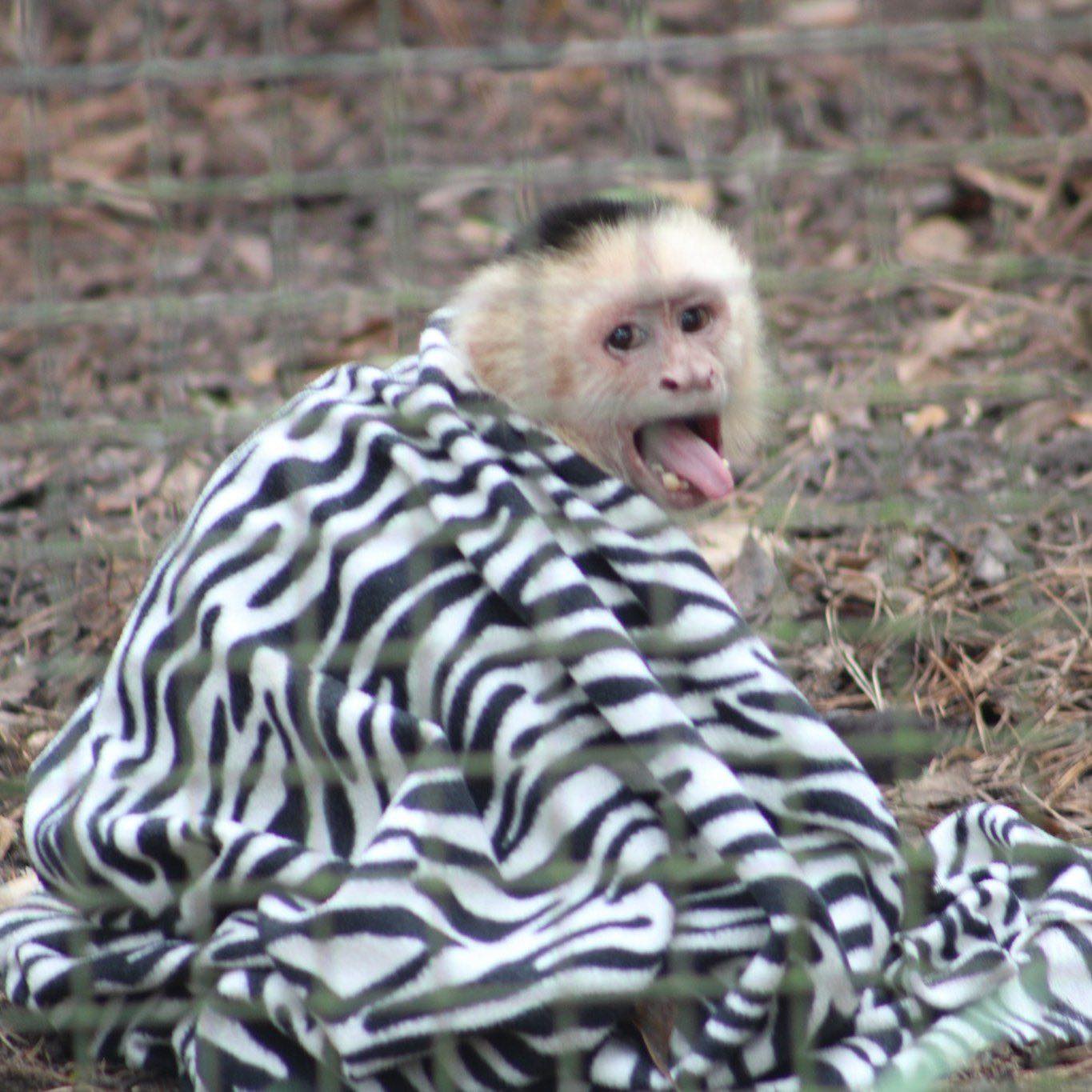
- The importance of adapting animal care during Florida’s chilly mornings
- Specific preparations for different animal species
- The physiological needs of tropical animals in cooler weather
- The role of zookeepers in ensuring animal welfare
- Visitor engagement and education about animal care practices
As Florida experiences chilly mornings, the animal care team at local zoos transitions into what can be described as “winter mode.” This term captures the diligent adjustments made to ensure the comfort and safety of the animals during colder temperatures. It is essential for both the well-being of the animals and the educational experience for visitors.
During cooler mornings, zookeepers employ various strategies to keep the animals warm. They set up heat lamps in habitats to provide direct warmth to cold-sensitive species. Heat lamps are not simply warm sources; they mimic solar heat, which can be particularly beneficial in maintaining optimal temperatures for animals that thrive in warmer climates. Cozy bedding materials, including hay, straw, and blankets, are added to enclosures, providing insulation and comfort. These elements not only enhance the quality of life for the animals but also encourage natural behaviors, such as burrowing or nesting. In addition, windbreaks are constructed to shield habitats from harsh breezes, demonstrating the care that goes into each animal’s living space.
Specific animal species have varying needs during chilly weather. For example, parrots and other tropical birds, known for their vibrant feathers and keen social interactions, often find themselves indoors during frosty mornings. This transition allows zookeepers to monitor their health more closely while providing a consistently warm environment. Indoor spaces are equipped with the same thoughtful considerations as outdoor habitats but tend to offer enhanced heating and protection from the elements.
Mammals and primates also receive special attention when temperatures drop. They are often relocated to behind-the-scenes areas that offer warmth and security. For example, monkeys, who tend to be more active in warm climates, may require extra enrichment to prevent boredom while they adapt to indoor life. Zookeepers work to create engaging environments, even indoors, ensuring animals remain mentally and physically stimulated.
Another fascinating aspect of winter care involves tortoises, which may seem resilient due to their hard shells. However, they also require warmth during the cold season. Many zoos provide heated barns specifically designed for these reptiles. Tortoises, being ectothermic, depend on external heat sources for metabolic processes. These heated barns help maintain their body temperatures, contributing to their overall health and longevity.
The zookeepers’ role in this process cannot be overstated. Their expertise not only involves physical adjustments to habitats but also encompasses detailed observation of animal behavior and health. Winter care requires attentiveness, as changes in temperature can affect feeding patterns, social interactions, and overall activity levels. Zookeepers are trained to read these cues, ensuring that every animal receives appropriate care that aligns with its natural instincts and behaviors.
Moreover, educational outreach is enhanced during cooler months. Many visitors might not realize how zoos adapt for animals in cooler climates. The opportunity to witness animals being cared for during these adjustments is an excellent platform for education. Visitors are often curious about how zookeepers manage the needs of animals, and this interest can spark meaningful conversations about wildlife conservation and the importance of habitat preservation.
Engagement doesn’t stop at animal observation. Zookeepers regularly provide behind-the-scenes tours or demonstrations, explaining how animals cope with temperature changes. These experiences enrich visitors’ understanding, allowing them to appreciate the complexity of care given to wildlife. This approach helps generate awareness around conservation issues related to climate change and its impact on animal habitats.
The daily operation of a zoo involves incredible coordination and planning, especially during Florida’s chilly morning transitions. Each animal’s specific needs must be considered, from tropical birds to reptiles, mammals, and primates. The intricate care routines reflect a commitment to animal welfare, educating visitors, and promoting conservation efforts.
An integral part of winter care is adapting nutrition plans as well. Cold temperatures may influence an animal’s metabolism, prompting adjustments in food intake. Zookeepers conduct assessments to ensure that each animal receives an adequate diet tailored to their needs. This may involve serving higher-energy foods to support thermoregulation or providing specific supplements to bolster their health during periods of stress.
Understanding how climate affects animal behavior and physiology is paramount for effective animal care. Research supports the notion that temperature fluctuations can significantly impact animal activity patterns. For instance, mammals may seek more sheltered spots when it’s cold, while reptiles will bask more intensely when heat sources are available. Therefore, zookeepers must stay well-informed about not only the animals they care for but also broader ecological changes that affect them.
Winter months can also prompt a surge in educational events at the zoo. Programs aimed at school groups focus on the significance of adaptation strategies in animals during changing weather conditions. Interactive sessions allow children and adults to observe animals up close while discussing their adaptations and natural behaviors.
On days when the temperature dips, the zoo remains open to the public. Visitors are encouraged to bundle up and explore the grounds, eager to learn about how animals cope with the cooler climate. This experience showcases the resilience of wildlife while reinforcing the zoo’s vital role in conservation education.
In summary, when Florida mornings turn chilly, the animal care team engages in thoughtful modifications to ensure that animals remain safe, healthy, and comfortable. The meticulous preparations involve heating sources, cozy bedding, and strategic habitat modifications tailored to each species’ needs. The professionalism of zookeepers is crucial in executing these adjustments, focusing on both animal welfare and visitor education. Ultimately, the zoo serves as a dynamic educational resource, fostering a deeper understanding of wildlife conservation and the challenges posed by climate change.
Through a combination of direct care, educational outreach, and community engagement, zoos in Florida adapt to seasonal changes while setting a high standard for animal welfare and conservation awareness. Each chilly morning is not only a challenge but an opportunity to inspire curiosity and compassion for the animals that share our planet.
*****
Source Description
When Florida mornings turn chilly, our animal care team jumps into “winter mode.” Zookeepers prep habitats with heat lamps, cozy bedding like hay, straw, and blankets, and windbreaks to block the cold.
🦜 Some of our tropical residents, like parrots, spend the frosty mornings indoors, while mammals and primates can snuggle up in their warm behind-the-scenes areas. Even our tortoises have their own heated barns for the season!
❄️ Whether basking under a heat lamp or tucked in for warmth, each animal gets the care they need to stay safe and comfortable.
The zoo remains open daily from 9 a.m. to 3 p.m. Bundle up and come see who’s braving the breeze!
