
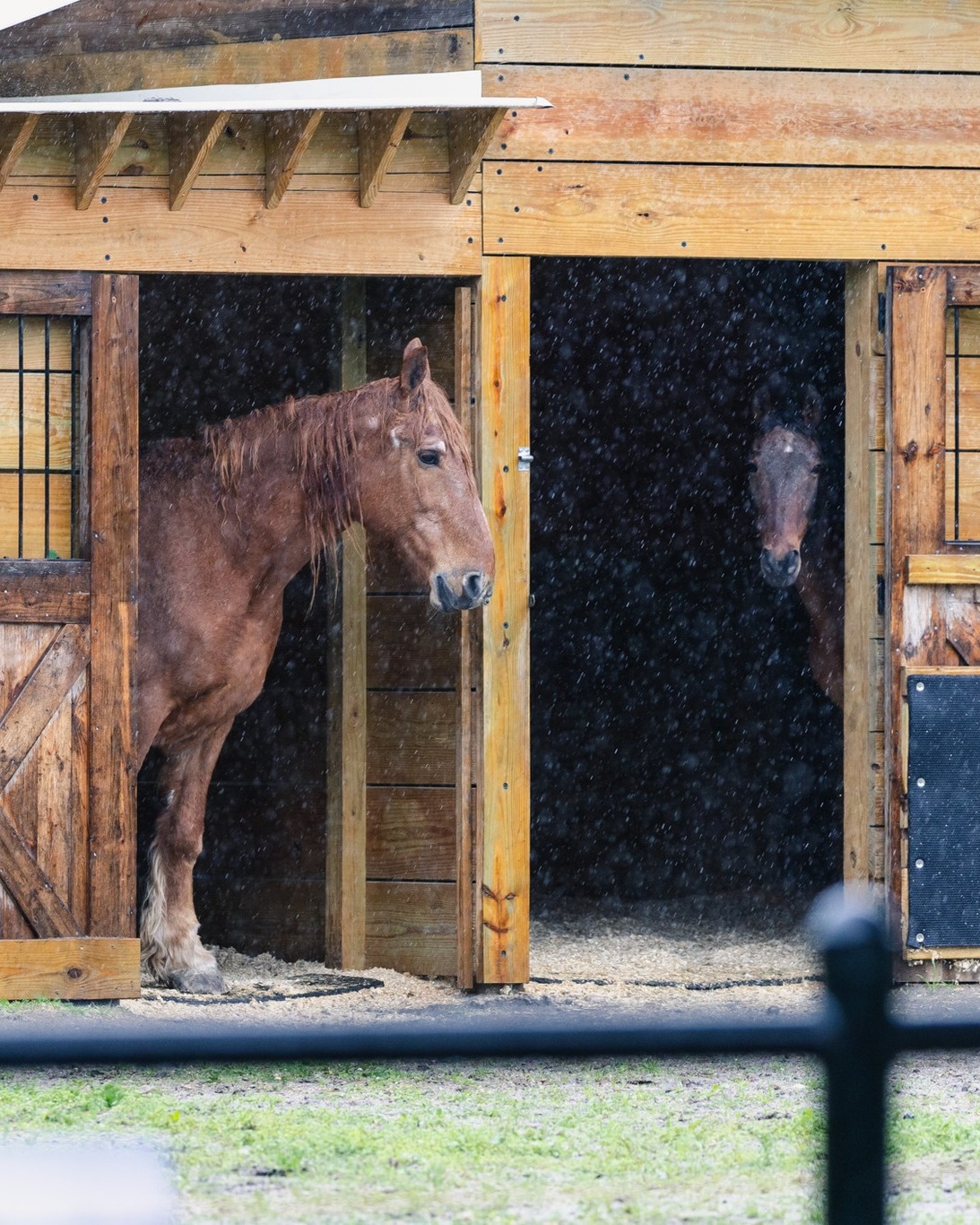
- The impact of weather on animal behavior and visitor experiences at zoos.
- Practical strategies for zoos to manage visitor flow during rainy weather.
- The significance of engaging with the public about wildlife conservation on rainy days.
- The role of animals like Pearl the penguin and Juno the wombat in educational outreach.
- How weather varies across different habitats and regions, affecting wildlife activity.
Rainy weekends can cause a mix of emotions for those planning family outings, especially to a zoo. If you’re feeling like Pearl the penguin, braving the chilly water despite the dreary weather, or Juno the wombat, cozying up under a shelter, you’re not alone. Zoos face the challenge of fluctuating visitor numbers due to weather conditions. When it rains, especially on weekends, it can significantly alter the experience of guests and the behaviors of the animals.
Animal behavior often correlates directly with weather patterns. Various species react differently to rain, with some expressing heightened activity while others retreat into their shelters. For instance, many mammals, like cats and canines, may seek refuge indoors. Others, such as certain birds and aquatic animals, may exhibit playful behaviors despite the showers. Observing these changes can add an exciting dimension to zoo visits, as animals behave in ways not typically seen on sunny days. Visitors might delight in watching otters frolic in puddles or birds take a dip, demonstrating their resilience against less-than-ideal conditions.
To effectively manage visitor flow and maintain a vibrant atmosphere during inclement weather, zoos can employ several strategies. Implementation of indoor exhibits is vital. These attractions allow families to explore compelling displays regardless of external conditions. Rainy weather can also be an opportunity for educational programs tailored to engage with visitors. Workshops, talks, and interactive demonstrations provide value to guests, instilling a sense of connection to wildlife conservation even while the rain pours.
Another essential aspect of managing rainy days at zoos is the communication of practical information. Regular updates on weather conditions and forecasts help set visitor expectations. Informing guests before they arrive can mitigate disappointment and encourage them to still visit. For example, sharing updates on which exhibits are accessible or highlighting special events can drive attendance, even amid rain. Utilizing social media channels and website notifications enables zoos to keep their audience informed and engaged.
Engagement extends beyond just keeping the atmosphere lively. Rainy days present unique opportunities to showcase the zoo’s commitment to wildlife conservation. When rain limits outdoor activities, zoos can spotlight the importance of habitats that are often overlooked, such as wetlands and rainforests. Presentations can include information on how animals adapt to seasonal weather patterns, reinforcing the necessity of conserving diverse ecosystems. The act of discussing conservation efforts educates visitors and highlights the critical role they play in protecting wildlife.
Pearl the penguin and Juno the wombat stand as perfect examples of how individual stories can generate interest in animal conservation. Both species have unique adaptations that allow them to thrive in their environments, and rainy days can enhance their narratives. For instance, penguins are naturally suited to cold, wet climates; observing them during these conditions provides a genuine learning experience for zoo-goers. Similarly, wombats are primarily nocturnal and might exhibit intriguing behaviors when the weather shifts, drawing visitors’ attention to their unique biological traits.
The effects of weather on zoo animals extend to various habitats, each characterized by different climates and seasonal variations. In tropical regions, rain is a part of the environment, with animal behaviors adapted to the rhythm of storms. Conversely, temperate climates experience stark contrasts between dry and wet seasons, impacting animal patterns significantly. Discussing these differences with visitors adds depth to their experiences and enhances their understanding of ecological adaptation.
The enthusiastic participation of visitors on rainy days can often lead to unexpected insights and appreciation. Children and adults alike may find excitement in the zoo’s softer, quieter ambience, as rain tends to thin crowds and create an intimate experience. This presents a unique opportunity to observe animal behavior in a more personal manner. When fewer guests are wandering around, families may find they can spend more time appreciating the distinct characteristics of individual animals.
Moreover, rain can alter not only the behaviors of animals but also the operations of the zoological institutions themselves. Weather impacts feeding schedules, exhibit maintenance, and safety protocols. For example, some outdoor areas may close to prevent accidents, prompting creative adaptations in how animals are cared for and how visitors engage with them. Staff members might need to be prepared for alternative programming, making quick decisions to ensure a smooth experience for all.
Understanding visitor experiences on rainy days also involves examining why people visit zoos. While wildlife encounters serve as the primary draw, many families look for an opportunity to connect with nature. The gloom of rain might not dampen that desire. By promoting an adventure ethos during wet weather, zoos can convert apprehension into fascination. Highlighting the enchanting aspects of animals’ natural behaviors during rainfall fosters a spirit of adventure and curiosity.
Engaging education is the cornerstone of wildlife conservation messaging, particularly on gray, rainy days. Creating environments that facilitate learning while entertaining ensures that visitors leave with a greater appreciation for wildlife. This can take forms such as behind-the-scenes tours, interactive quizzes, and discussions revolving around the importance of protecting specific ecosystems. Combining fun with education fosters a lasting impact, as guests are more likely to become advocates for wildlife conservation in their everyday lives.
As rain refreshes the earth, it has an equally profound effect on the wildlife within zoos. Understanding the specific needs of various animals during such weather can drive better practices among zoo management. For example, elephants enjoy playing in the rain, while reptiles may seek sunbathing opportunities as they prefer warmth. Familiarity with these behaviors allows staff to adapt animal care and presentation strategies accordingly, ensuring the well-being of all residents.
In summary, rainy weekends at the zoo can evoke varying emotions and experiences for visitors and animals alike. Those feelings can be amplified when connecting with personalities like Pearl the penguin and Juno the wombat, who embody resilience and curiosity. By strategically managing visitor engagement and offering insights into conservation, zoos empower guests to find value in every visit, regardless of the weather outside. Observational experiences deepen appreciation for wildlife, creating a path toward stewardship and involvement in conservation efforts.
Rain might alter planned outings, but it also presents a chance to explore the fascinating interplay between weather and wildlife. By embracing these shifts, zoos turn rainy weekends into valuable learning experiences, enhancing the connection between visitors and the vital work of wildlife conservation. This perspective encourages resilience and understanding in both animals and humans, even when the skies turn gray.
*****
Source Description
Yup, sometimes it only rains on the weekend.
How many of you are feeling like Pearl and Juno today?
We’re open today, 9-4:00pm. The rain won’t last all day!
