
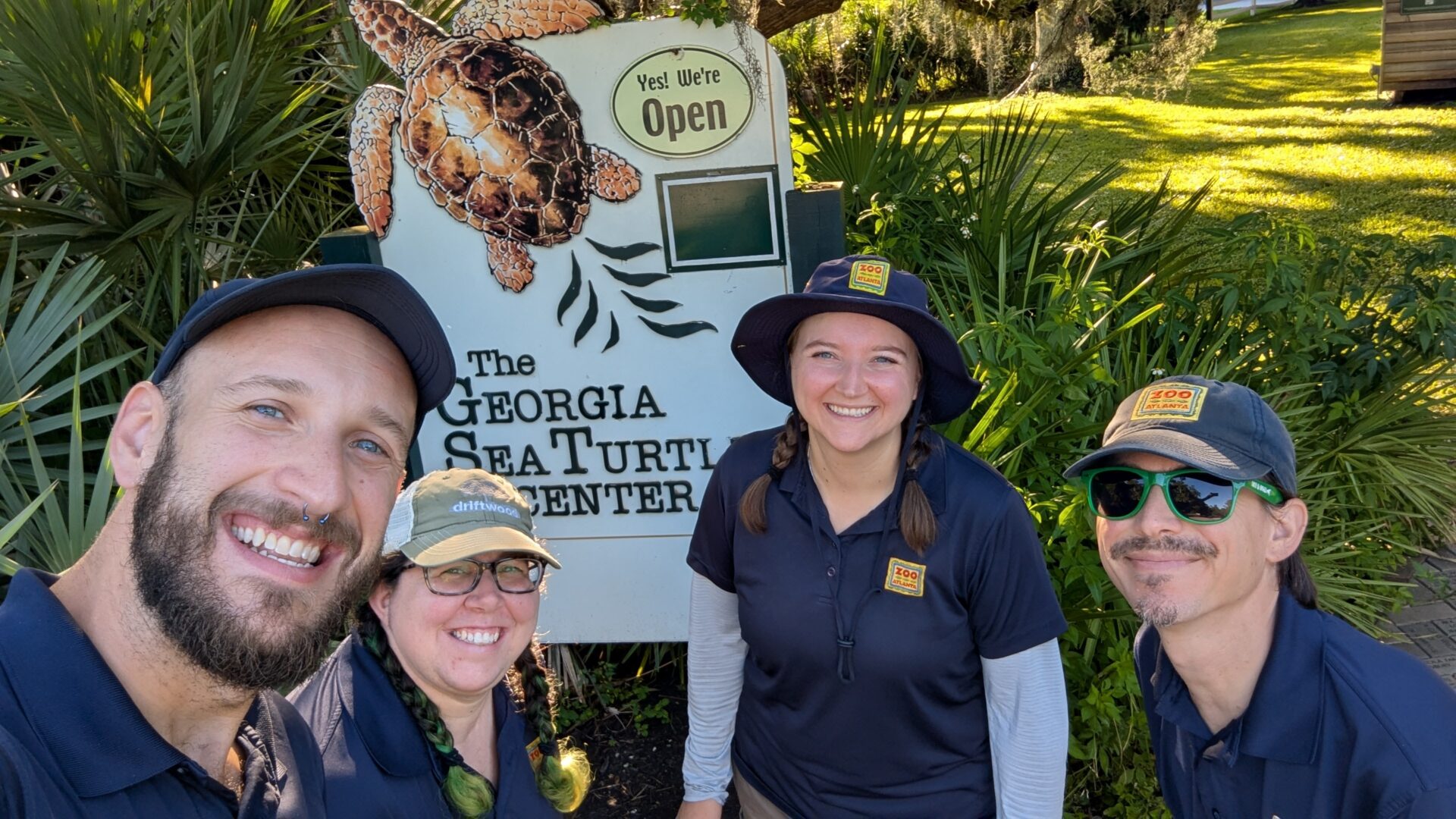
Summary of What do sea turtles, marshes, and Zoo Atlanta have in common?:
The content discusses the collaboration between Zoo Atlanta and the Georgia Sea Turtle Center (GSTC) on Jekyll Island, focusing on diamondback terrapins, a unique turtle species that inhabits brackish marshes and faces threats such as vehicle strikes. GSTC operates a “turtle patrol” to protect terrapins crossing roads and rehabilitate injured turtles. Each year, Zoo Atlanta helps release around 25 terrapins into the wild while bringing back hatchlings for a year of protection at the zoo. This past September, the teams successfully released terrapins back into their habitat after ensuring their health. The cycle of conservation and rehabilitation continues with new hatchlings being cared for at Zoo Atlanta.
- Sea turtles and marsh ecosystems are interdependent in maintaining biodiversity.
- The Georgia Sea Turtle Center plays a critical role in conservation efforts, particularly for diamondback terrapins.
- Zoo Atlanta collaborates with local conservation programs, enhancing wildlife rehabilitation.
- Education and outreach are essential for fostering awareness and engagement in wildlife protection.
- Human impact on marine life and marsh habitats poses significant challenges, necessitating proactive measures.
Sea turtles and marsh ecosystems form a vital connection in maintaining biodiversity, highlighting an essential relationship that spans various aquatic environments. Sea turtles, particularly the unique diamondback terrapin, thrive in brackish waters found in marsh ecosystems. These areas serve not just as feeding grounds but also as critical nesting sites. As temperature-dependent reptiles, female sea turtles often venture onto land to lay eggs, exposing them to various threats.
One such threat is human activity. Roadways encroaching on natural habitats increase the risk of female diamondback terrapins being struck by vehicles while searching for nesting areas. As a result, the International Union for Conservation of Nature (IUCN) has classified the diamondback terrapin as a Vulnerable species. Their declining population underscores the necessity of conservation efforts.
The Georgia Sea Turtle Center (GSTC) plays a pivotal role in these initiatives. Located on Jekyll Island, the GSTC specializes in the rehabilitation of injured turtles, working extensively not only with sea turtles but also a variety of local species like gopher tortoises and softshell turtles. The center’s mission encompasses research, conservation, and education. An important aspect of their work includes the “turtle patrol,” which monitors roads to protect terrapins during nesting season. This patrol collects injured terrapins for rehabilitation and provides them with care before re-releasing them into safe habitats.
Another crucial strategy employed by the GSTC is the incubation of terrapin eggs to maintain population balance. Generally, the collection of eggs found on roads allows for incubation in controlled environments. The GSTC uses specific temperatures to influence the sex ratio of hatchlings, producing more females to counteract the skewed male-female ratio observed in the wild. This innovative methodology highlights the center’s commitment to fostering diamondback terrapin populations.
Zoo Atlanta collaborates closely with the Georgia Sea Turtle Center in wildlife conservation efforts. Their partnership is particularly evident through the Jekyll Island Causeway Conservation Program. Each year, Zoo Atlanta participates in a terrapin swap where about 25 yearling terrapins are transported from the zoo to Jekyll Island for release. Coinciding with this event, the zoo also brings back approximately 25 new hatchlings. This cyclical exchange allows young terrapins to grow and develop in a controlled setting, thus avoiding predation and other environmental hazards.
During the terrapin swap, animal care teams meticulously examine each turtle before release. This health check includes the placement of Passive Integrated Transponder (PIT) tags, which allow for future identification should the turtles be encountered again. Such practices demonstrate a commitment to tracking and studying these reptiles, providing crucial data for ongoing conservation efforts.
Upon arrival at Jekyll Island, the terrapins undergo further assessments by GSTC veterinarians to confirm their fitness for release. Successful individuals are then introduced back into their natural marsh habitats. This reinstatement process not only contributes to population recovery but also enriches the ecosystem balance, as turtles serve essential functions such as grazing on seagrasses and helping in nutrient cycling.
Education is another cornerstone of these conservation endeavors. Zoo Atlanta and the Georgia Sea Turtle Center both prioritize outreach, aiming to build community engagement in wildlife protection. Educational initiatives foster awareness about the importance of marine life, especially vulnerable species like diamondback terrapins. By reaching out to both local and visiting audiences, these organizations work to inspire conservation-minded behaviors in the general public.
Human impact remains a significant concern for marine life and marsh habitats. Urban development, pollution, and climate change pose challenges that threaten the integrity of these ecosystems. Efforts by organizations like Zoo Atlanta and GSTC directly confront these pressing issues. Their commitment to education, conservation, and research underscores an understanding that long-term solutions will require a collective response.
Through initiatives promoting road safety for terrapins, as well as habitat restoration, these organizations exemplify proactive engagement in addressing ecological challenges. Significantly, partnership efforts ensure that conservation strategies are not isolated but are coordinated with various stakeholders. By pooling resources and knowledge, collaborative efforts amplify the influence of each organization.
As members of the education team at Zoo Atlanta reflect on their experiences with the diamondback terrapins, their enthusiasm for the process becomes evident. From health checks to release activities, every step serves a greater purpose: enhancing the chance of survival for these unique turtles. Segmenting the community into active participants in such initiatives expands the potential for conservation.
The release of terrapins back into their marshy homes is both a joyous occasion and a reminder of their importance in the ecosystem. Watching these turtles wade through pluff mud, surrounded by native flora and fauna, illustrates the dynamic interplay between species. The interactions between terrapins, fiddler crabs, and marsh grasses exemplify the importance of each organism in maintaining ecological balance.
As the terrapins make their way into their environment, zoo staff begins the cycle anew. The 25 hatchlings brought back to Zoo Atlanta will grow and develop in a safe setting, further contributing to the population balance of these turtles. Visitors to the zoo not only experience an opportunity to learn about these fascinating creatures but also participate indirectly in conservation efforts.
Maintaining a strong focus on community involvement is key to long-term success in conservation endeavors. Raising awareness about the challenges faced by amphibious species and marsh ecosystems can ignite a sense of responsibility in individuals. Efforts to inform the public about smart driving practices, threats to habitats, and conservation strategies can lead to positive behavioral changes.
The collaboration between the Georgia Sea Turtle Center, Zoo Atlanta, and local conservation programs emphasizes the interconnectedness of diverse ecosystems and wildlife. These initiatives strive to mitigate the impacts of human activity on marine environments. Through ongoing education, responsible management practices, and determination to protect species at risk, effective solutions become clearer.
Overall, the synergy between sea turtles, marsh ecosystems, and organizations like Zoo Atlanta establishes a model for effective conservation. By focusing on both direct intervention and broader educational outreach, they pave the way for increased awareness and engagement in wildlife protection. Restoring the balance within ecosystems underscores the importance of persistent efforts to safeguard biodiversity, ensuring the survival of remarkable and vulnerable species for generations to come.
