
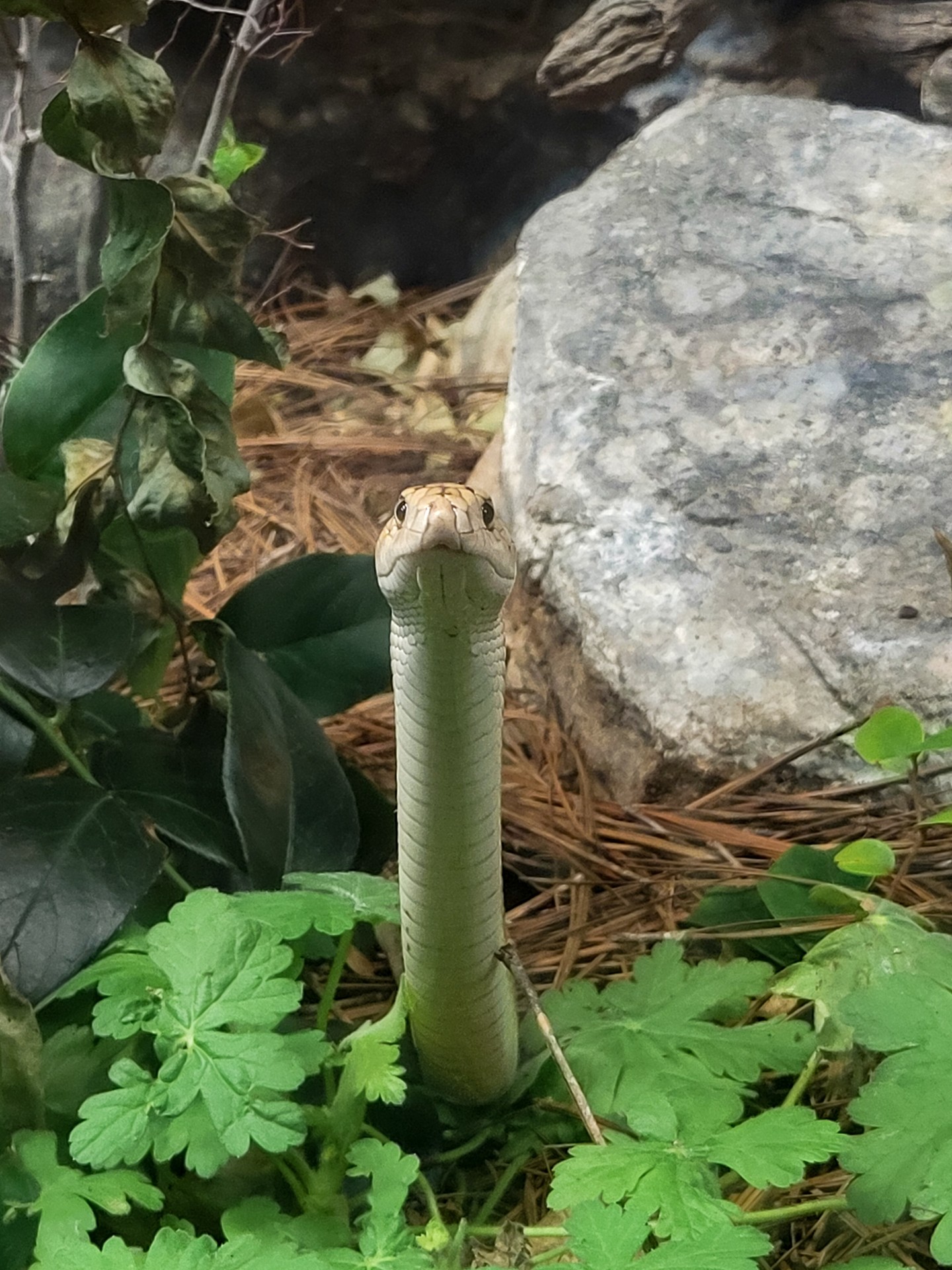
- Overview of the Northern Pine Snake’s Habitat and Physical Characteristics
- Behavioral Patterns and Adaptations for Survival
- Conservation Status and Challenges in North Carolina
- Importance of the Northern Pine Snake in the Ecosystem
- Efforts in Wildlife Conservation and Management Strategies
The Northern Pine Snake, sometimes greeted humorously with "What do you mean you don’t think I’m cute?!", is a fascinating inhabitant of North Carolina’s Sandhills and Coastal Plain. This non-venomous reptile is well-adapted to its environment and plays a crucial role in the ecological balance. This article delves into understanding this intriguing species, focusing on its characteristics, behavior, conservation status, ecological significance, and the efforts to preserve it.
The Northern Pine Snake, recognized for its ability to burrow, is adept at spending significant time underground. Its coloration, typically a blend of white, tan, or yellow with dark brown or black markings, serves as an effective camouflage against predators. These heavy-bodied snakes can be mistaken for bullsnakes or horned snakes, yet they have distinguishing features noticeable upon close observation. Being a large species, they can sometimes appear intimidating, yet they pose no venomous threat to humans.
In North Carolina, various names like bullsnake and pilot snake are attributed to the Northern Pine Snake. Its distribution is predominantly in the Sandhills and Coastal Plain regions, where sandy soils facilitate its burrowing lifestyle. This secretive behavior aids in temperature regulation, predator avoidance, and hunting strategies.
One of the most intriguing aspects of the Northern Pine Snake is its behavioral pattern. Burrowing not only provides shelter but is also essential for their reproductive strategies. Females lay eggs in underground nests, where the steady environment ensures successful incubation. The snakes are known for their unique vocalizations, often emitting loud hisses when threatened, which serve as a deterrent to predators.
Adaptations like their burrowing skills and camouflaged appearances have been vital for their survival. However, despite these survival tactics, Northern Pine Snakes are not free from threats. In North Carolina, they are listed as a Threatened species due to habitat loss from urbanization and agricultural expansion. As forests and open spaces are converted to human use, the snake’s habitat becomes increasingly fragmented, posing severe threats to their population.
Conservation efforts are critical to sustaining the Northern Pine Snake population. In North Carolina, protective measures include habitat preservation and public education on the importance of this species. Environmental groups work with state authorities to monitor population trends and habitat conditions, ensuring actions are taken to mitigate negative impacts.
The ecological role of the Northern Pine Snake cannot be overstated. As a predator, it helps control the populations of small mammals and insects. This role is vital for maintaining balance in the ecosystems of the Sandhills and Coastal Plain. Predation by snakes often keeps potential pest species at manageable levels, indirectly supporting agricultural health.
Efforts to conserve the Northern Pine Snake also involve research and strategic planning. Wildlife management authorities conduct studies on the species’ habits, population dynamics, and threats. These studies inform management strategies, such as land purchase for habitat protection, restrictive regulations on land development, and initiatives to restore degraded habitats.
Public involvement in these conservation strategies is crucial. Efforts to educate the public about the Northern Pine Snake’s role and status help foster community support. Citizen reporting of snake sightings and community-driven conservation programs have shown success in generating awareness and protection for these reptiles.
Conserving the Northern Pine Snake is not only about saving a single species. It represents a broader effort to maintain biodiversity and ecological health. Each individual and organization involved in this mission contributes to a collective cause, preserving the integrity of ecosystems for future generations.
Through understanding the Northern Pine Snake’s habits, threats, and the conservation actions required to protect it, we gain insight into the complexity and beauty of North Carolina’s natural heritage. As we continue to study and support these reptiles, we ensure they remain an integral part of the environment they call home.
*****
Source Description
“What do you mean you don’t think I’m cute?!” 🥹
Recognize our friend here? This is a Northern Pine Snake! This non-venomous friend can be found in the Sandhills and Coastal Plain of North Carolina. Pine snakes are a burrowing species, so they are very good at being secretive and spend much of their time underground.
They are large, heavy-bodied snakes with a white, tan or yellowish color and dark brown or black markings down their entire body, starting at their head.
In NC, they can go by a few names including: bullsnake, black and white snake, pilot snake, horned snake, and white gopher snake. Regardless of what you call them, Northern pine snakes are a protected species in North Carolina as they are considered a Threatened species within the state.
Cheers to Snake Sunday and the Northern Pine Snake!🐍🖤🤍🤎🎉
