
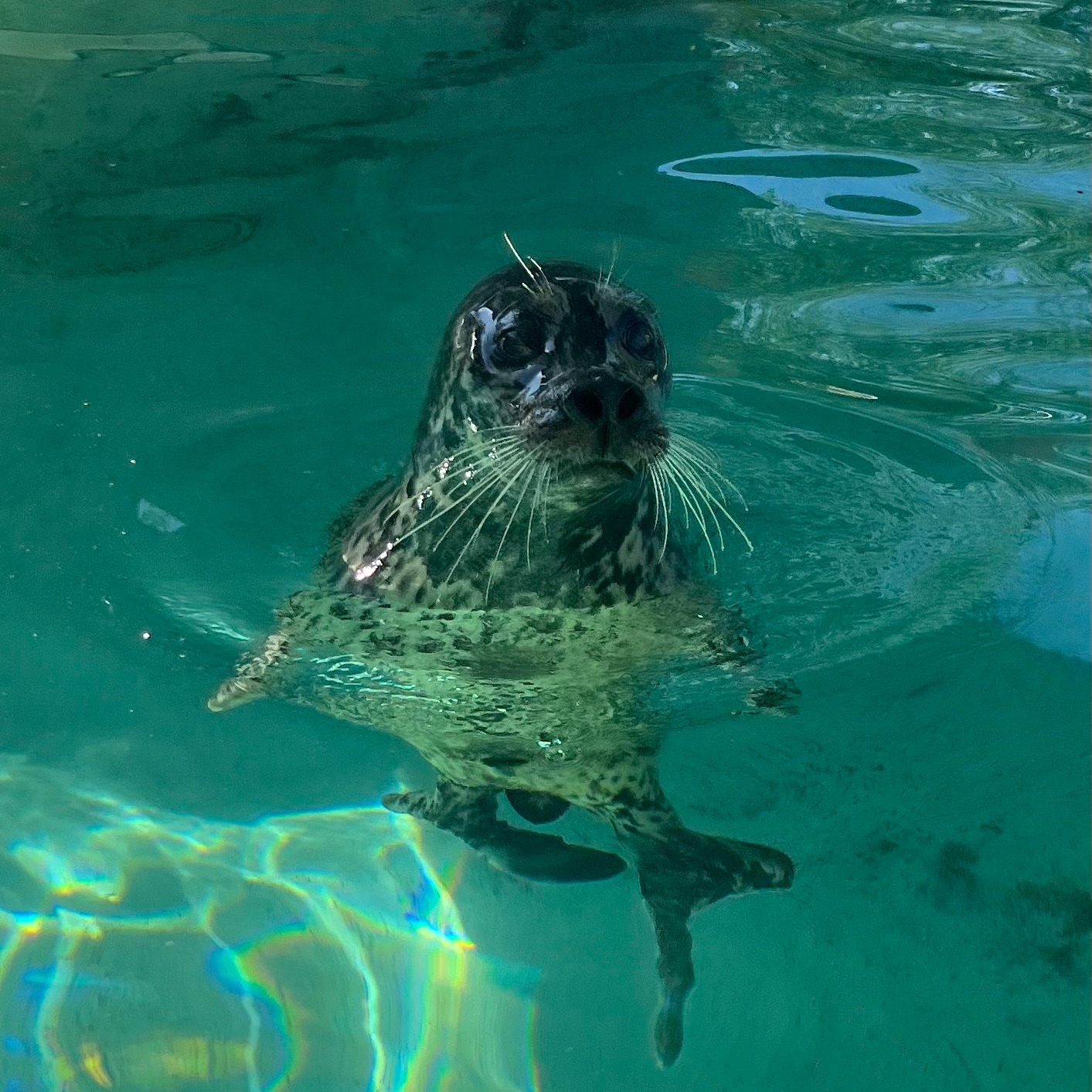
- Overview of Harbor Seals and California Sea Lions
- Behavior and Training Techniques for Marine Mammals
- The Importance of Conservation Efforts
- Visitor Engagement and Educational Outreach
- Behind the Scenes: Care and Welfare of Marine Animals
Marine mammals play an important role in ocean ecosystems, and two of the most captivating species are the harbor seal and the California sea lion. Ross the harbor seal and Zoey and Meatball the California sea lions provide visitors with delightful and educational experiences at their exhibitions. Each animal has distinct behaviors and traits, making them fascinating yet integral components of marine life. Understanding these creatures offers essential insights into ecological balance and emphasizes the importance of wildlife conservation efforts.
Harbor seals, known scientifically as Phoca vitulina, are characterized by their spotted coats, external ears, and incredible swimming abilities. They can be found along the coastlines of North America and are particularly well adapted to cooler waters. They consume a diet rich in fish and invertebrates, showcasing their role in controlling fish populations. Meanwhile, California sea lions, or Zalophus californianus, are recognized for their playful nature and intelligence. These pinnipeds are social animals and can often be seen lounging on rocks or piers. Both species demonstrate different adaptations to thrive in their respective environments.
Understanding the natural behaviors of these animals is crucial for their training and welfare. Ross, Zoey, and Meatball participate in daily training demonstrations, held Wednesday through Monday at 11:30 a.m. and 3:15 p.m. Training these animals incorporates positive reinforcement techniques, where desirable behaviors are rewarded. This method not only promotes cooperation but also strengthens the bond between animal trainers and the seals and sea lions. Trainers engage the animals in a variety of activities that showcase their abilities, such as jumping through hoops or barking on command. This not only entertains visitors but also serves to assess how well the animals interact with their environment.
Critical to the success of any zoo or marine exhibit is the ongoing commitment to wildlife conservation. Over the years, harbor seals and California sea lions have faced various threats, including habitat loss, pollution, and human interference. Raising awareness about the challenges these animals face can help galvanize public support for conservation initiatives. Organizations involved in marine mammal rehabilitation and rescue work tirelessly to safeguard vulnerable populations, often rehabilitating injured or stranded animals before releasing them back into the wild. Programs dedicated to preserving marine habitats play a crucial role in promoting biodiversity and protecting ecosystem health.
Effective visitor engagement is another key aspect of marine mammal conservation. By bringing people face to face with animals like Ross, Zoey, and Meatball, educational programs can significantly enhance awareness regarding marine life. Special events, presentations, and interactive experiences can engage audiences of all ages. Children and adults alike can learn about the adaptations, habitats, and behaviors of these pinnipeds. Informative signage and educational talks given by zookeepers empower guests to understand what it takes to care for marine animals and the efforts being made to protect their natural habitats.
Behind the public exhibits lie extensive care protocols that ensure the health and welfare of the animals. Both harbor seals and California sea lions require specialized diets and habitat conditions to thrive. The provision of a balanced diet is crucial, with fish being the primary food source. Regular veterinary check-ups, behavioral observations, and environmental enrichments are essential components of animal care. Enrichment activities enhance the animals’ quality of life and stimulate their natural instincts, ensuring they remain active and engaged.
Moreover, staff members undergo rigorous training that combines zoological education and hands-on animal care experience. This ensures that they are equipped with the knowledge necessary to identify health issues or behavioral changes in the animals. Such vigilance allows for prompt intervention when needed, ultimately resulting in improved animal well-being.
Marine mammals are fantastic ambassadors for their ecosystems. Ross, Zoey, and Meatball exemplify why learning about these animals and their habitats is so critical for conservation. By observing their behaviors during training demonstrations, visitors can see firsthand how intelligent and adaptable these species are. Moreover, understanding the human impact on their environments equips people with the knowledge to advocate for marine life conservation.
Educational programs that focus on marine mammals extend beyond mere observation. They encourage discussions about marine health, biodiversity, and global issues such as climate change and plastic pollution. These conversations inspire action, transforming guest experiences into real-world advocacy and support for marine conservation initiatives.
Incorporating technology can further enhance the educational impact of marine exhibits. Interactive displays, virtual reality experiences, and multimedia presentations can captivate younger audiences and deliver messages in a format that resonates with them. Utilizing current advancements enables zoos and aquariums to engage effectively with diverse groups while contributing to critical discussions around marine conservation.
Through comprehensive educational outreach, facilities can emphasize the interconnectedness of ecosystems and the fundamental roles played by various marine species. Sharing stories about individual animals like Ross, Zoey, and Meatball personalizes the experience for the audience, fostering emotional connections that can lead to activism and support for conservation efforts.
In addition to educational programs, community involvement remains pivotal to a successful conservation strategy. Local partnerships with schools, youth programs, and environmental organizations can inspire collective action. Initiatives such as beach clean-ups, marine theme events, and educational workshops allow communities to actively participate in conservation efforts. Such collaborations amplify the impact of conservation messages and demonstrate that preserving marine environments is a shared responsibility.
The challenges faced by marine mammals emphasize the urgent need for sustainable practices. Continued support for research and intervention efforts is critical for the recovery of depleted animal populations. Public awareness campaigns that highlight the threats of ocean pollution, overfishing, and habitat destruction are essential in driving changes in consumer behavior and policy-making.
As visitors enjoy the daily training demonstrations featuring Ross the harbor seal and Zoey and Meatball the California sea lions, they become part of a larger movement focused on marine health. Every interaction serves as a reminder of the responsibility humans share in preserving the habitats that support such incredible species. By engaging with these amazing animals, the public is inspired to learn more and take action in their local communities.
The presence of marine mammals like harbor seals and California sea lions creates opportunities for deeper connections between humans and the natural world. The story of each animal not only enhances the educational experience but also highlights the importance of conservation efforts. Protecting marine ecosystems benefits not just the animals but also humanity, ensuring healthy oceans for future generations.
With awareness, outreach, and a commitment to conservation, we are better equipped to safeguard marine mammals and their habitats. Ross, Zoey, and Meatball are just the beginning of a larger narrative that illustrates the beauty and fragility of ocean ecosystems. The potential for conservation starts with informed visitors, dedicated care teams, and a passion for protecting our planet’s waters.
*****
Source Description
SEAS the day with our flippered friends! 💦
Meet Ross the Harbor Seal and Zoey and Meatball the California Sea Lions! 🦭 Whether they’re showing off at training demos or just soaking up the sun, these three are a must-see this summer.
Catch them in action during daily training demonstrations, Wednesday–Monday at 11:30 a.m. & 3:15 p.m.
