
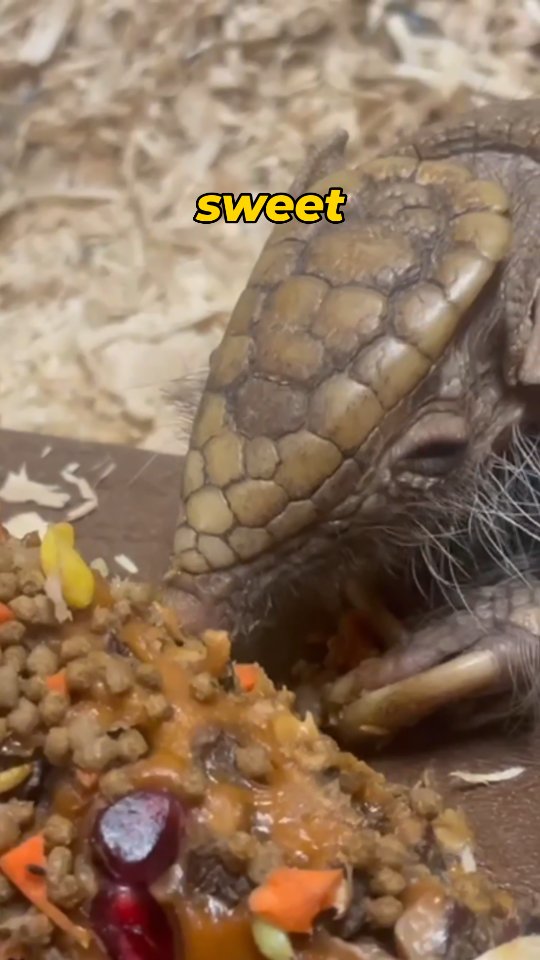
- The nutritional value of peanut butter and its role in animal diets.
- The benefits of mealworms as a sustainable protein source for wildlife.
- The importance of vegetables in a balanced diet for animals.
- Creative methods for enriching animal environments.
- The significance of enrichment for animal behavior and well-being.
Peanut butter is more than a popular spread; it serves as a nutritious ingredient in animal diets, often referred to as a delightful sweet treat in the animal kingdom. This creamy substance provides essential fats, proteins, and vitamins that are beneficial for many species. Its high-calorie content can be especially helpful for animals needing energy, such as certain mammals and birds. While peanut butter can be a part of various animal diets, it’s crucial for caretakers to offer it in moderation, considering the overall nutritional balance.
One of the main contributing factors to peanut butter’s appeal is its taste and texture. The creamy nature encourages animals to use foraging behaviors similar to what they would exhibit in the wild. This sensory engagement supports mental stimulation, which is key to overall animal welfare. Peanut butter’s aroma draws animals in, prompting them to investigate and interact with enrichment items, further enhancing their experience.
Complementing peanut butter in enrichment activities are mealworms, a sustainable protein source that offers a variety of nutritional benefits. These larvae are considered a delicacy by many species. They are rich in protein, healthy fats, and essential vitamins, making them an excellent choice for incorporation into an animal’s diet. Mealworms provide an alternative to traditional protein sources, such as beef or chicken, that often require higher resources for farming. By using mealworms, zoos and wildlife facilities can minimize their ecological footprint while still providing high-quality nutrition for animals.
Another essential component of a well-rounded diet includes vegetables. Fresh vegetables are packed with vitamins, minerals, and fiber. They provide hydration and help improve gastrointestinal health, ensuring that animals remain active and healthy. Different species may have specific vegetable preferences; for example, leafy greens tend to be more appealing to herbivorous animals. By integrating a variety of vegetables into an animal’s diet, caregivers can promote natural feeding behaviors and enhance overall richness in their meals.
The concept of enrichment is not just about diet; it encompasses various activities and stimuli provided to animals to encourage natural behaviors. Creative enrichment methods can include hiding food items, offering challenges like puzzle feeders, and varying the location of food, including peanut butter and mealworms. These tactics ignite curiosity and engagement. For instance, providing a dish of peanut butter mixed with mealworms and some vegetables, combined with hidden treats, can create a multi-layered experience for animals. With several elements involved, animals must work to uncover their rewards, replicating foraging behavior they would perform in the wild.
Moreover, the significance of enrichment for animal welfare cannot be overstated. Engaging animals with varied, stimulating experiences fosters mental health and reduces stress. Lack of environmental stimulation can lead to negative behaviors, including pacing or excessive grooming, signs of anxiety in captivity. Enrichment serves as an important tool in maintaining natural behaviors, providing animals the opportunity to explore, play, and discover, which in turn supports their physical and psychological well-being.
Zoos and other wildlife facilities increasingly recognize the value of diverse enrichment programs. It is essential for staff to develop strategies that cater to each species. For example, small mammals and birds might enjoy different types of enrichment compared to larger animals like bears or elephants. Conducting assessments of animals’ preferences is key to implementing effective enrichment plans.
The aroma of peanut butter, when combined with mealworms and veggies, creates an enticing experience that animals find appealing. By rotating different types of enrichment and monitoring animal reactions, caretakers can find out what works best for their specific populations. Documenting behavioral changes and interactions allows facilities to refine their practices continually.
Beyond immediate enjoyment, the use of enriched diets such as the “Oooh… it smells like a sweet treat…” combination has implications for animal health over time. Providing varied nourishment can help prevent deficiencies and promote long-term vitality. For instance, high-quality protein from mealworms can support muscle development and repair, while vegetables contribute to overall cellular health.
In terms of conservation, the practices implemented in zoos and wildlife facilities often inform broader efforts for wildlife management and recovery. Understanding what animals prefer in captivity allows for insight into their needs and preferences in natural habitats. Such knowledge can help guide rehabilitation efforts for injured wildlife, as caregivers can more effectively replicate conditions that promote healing and well-being.
Additionally, sharing data on animal preferences can enrich scientific understanding of wildlife nutrition and behaviors. This information can lead to formal studies that contribute to the field of zoology, ensuring ongoing advancements in animal husbandry practices. Collaborations between institutions often yield detailed findings that can influence regulations for wildlife care and conservation strategies globally.
Moreover, as sustainability continues to be a priority across various sectors, mealworms present a compelling alternative for protein sources that reduce reliance on traditional livestock. The ecological benefits of insect farming over livestock farming are significant. They require significantly less land, water, and feed, making a compelling case for their inclusion in animal diets across various species.
Providing a mix of nutritious options, like peanut butter, mealworms, and fresh vegetables, captures the attention and engages the instincts of animals. This unique approach to animal nutrition and enrichment is not just about satisfaction; it directly contributes to well-being. It supports natural behaviors, fosters mental stimulation, and encourages a higher quality of life in captive settings.
Educators and wildlife advocates emphasize that effective outreach and educational programs can amplify the importance of enrichment practices. By raising awareness about how facilities care for animals, stakeholders can connect the public to conservation efforts more deeply. Exciting and engaging experiences related to wildlife—like the captivating combination of peanut butter, mealworms, and vegetables—can enhance collective appreciation for animals and their habitats.
Hence, the phrase “Oooh… it smells like a sweet treat…” transcends mere description; it embodies a holistic approach to animal welfare. It signifies how even simple dietary choices can integrate into comprehensive enrichment strategies that positively impact animal behavior. Future generations of caretakers will need to adapt continually, aligning practices with both scientific advancements and the changing needs of wildlife.
Incorporating such appetizing mixtures not only stimulates appreciation for flavors but also inspires innovative practices within zoology and wildlife conservation. Poised to lead a transformative approach, zoos and wildlife facilities are taking strides toward a more sustainable future that values both animal welfare and ecological responsibility. These important factors will ultimately contribute to successes in conservation initiatives, ensuring the longevity of diverse species on our planet.
*****
Source Description
“Oooh… it smells like a sweet treat…”
That’s peanut butter, mealworms, veggies, and regular diet all rolled into one delicious ‘dillo enrichment.
