
- The challenges of zoo management in ensuring animal welfare
- The importance of animal behavior in conservation efforts
- Techniques for observing and studying animal interactions
- The impact of educational programs on public awareness
- Strategies for wildlife conservation outside of zoo settings
In the context of animal care and welfare, zoo management faces numerous challenges. These facilities must meet the diverse needs of various species while balancing visitor engagement and educational outreach. Animal habitats must be constructed to keep animals stimulated and healthy, considering their physical and psychological requirements. Advanced practices include using naturalistic enclosures, providing enrichment activities, and ensuring proper diet and social structures. This ongoing commitment involves continuous training and education for keepers, enabling them to understand better and respond effectively to the needs of the animals in their care.
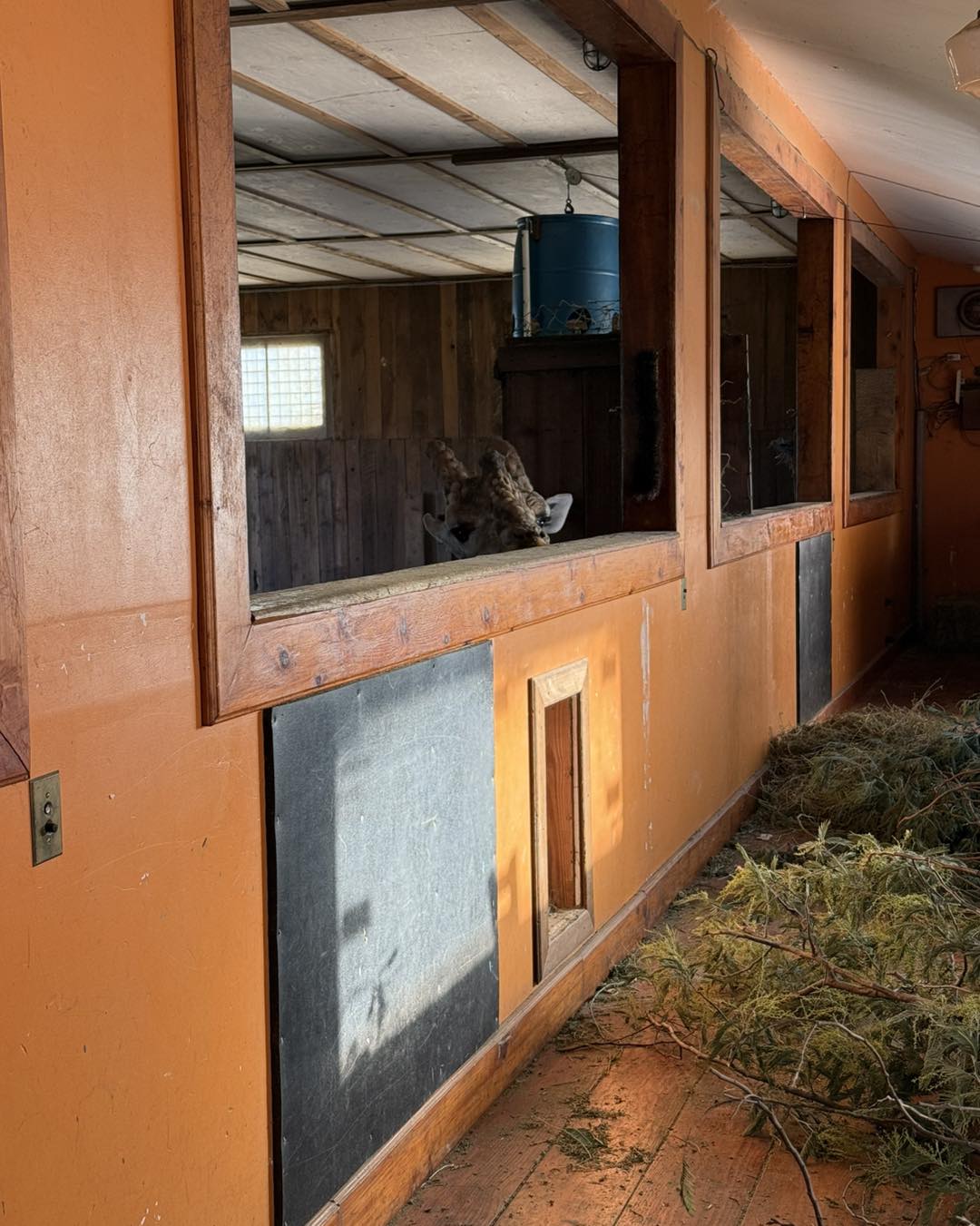
Observation plays a particularly crucial role in understanding animal behavior. When you’re just tall enough to spy on your keepers, it provides a unique perspective on how animals interact with their environment and caregivers. Behavioral studies can reveal insights into social hierarchies, mating rituals, and stress responses. Monitoring these behaviors informs best practices for care, helping in the overall improvement of welfare standards across zoos globally.
Understanding how animals communicate is essential for keeper-animal relationships. For example, different species exhibit distinct vocalizations, body language, and gestures that convey various messages. By deciphering these forms of communication, keepers can foster a more harmonious environment. Insights into animal behavior can lead to tailored enrichment programs designed specifically for each species, allowing them to express natural behaviors that may be stifled in captivity.
Public education is fundamental for increasing awareness about conservation issues. Zoos often serve as a gateway for people to connect with wildlife. Insightful programs that educate visitors about endangered species, habitat destruction, and the importance of biodiversity can motivate community involvement. Through various initiatives, such as interactive exhibits and guided tours, visitors can gain a deeper appreciation for the animals in their care.
The effectiveness of these educational strategies hinges on making information relatable and engaging. Utilizing multimedia, storytelling, and hands-on activities can enhance the learning experience. For example, live presentations featuring keepers and animals can generate excitement while imparting vital information about species conservation. This dynamic means of teaching not only informs the public but also fosters a sense of stewardship over wildlife and natural resources.
Wildlife conservation extends beyond the boundaries of zoos. Many species benefit from active fieldwork that addresses conservation challenges in their natural habitats. Zoos often collaborate with conservation organizations to support field research and habitat restoration projects. This collaborative effort ensures that resources and expertise lead to impactful outcomes for vulnerable populations in the wild.
Community engagement is another avenue where zoos can have a significant impact. Residents can partake in citizen science programs, helping collect data or participate in habitat restoration. These projects create a connection between people and wildlife, instilling a shared responsibility toward conservation. They also help build awareness surrounding socio-economic issues connected to wildlife and habitat preservation.
In addition to direct conservation projects, zoos increasingly focus on policy advocacy and legislative efforts. Collaborating with government entities and non-governmental organizations helps create frameworks that protect endangered species and their habitats. Advocating for stronger wildlife protection laws and engaging in habitat conservation initiatives can generate substantial shifts in public policy.
The combination of education, conservation, and animal welfare forms a comprehensive approach that informs how visitors and keepers interact within the zoo. Observing keeper-animal dynamics, especially when you’re just tall enough to spy on your keepers, illustrates the care put into fostering strong relationships between them. These interactions can lead to successful breeding programs, health improvements, and species survival.
As animal ambassadors, zoo inhabitants highlight the critical issues facing wildlife today. By engaging the public through this lens, zoos can effectively raise awareness about endangered species and the pressing threats they face, such as climate change, poaching, and habitat destruction. Each animal also tells a story of resilience and the efforts needed to safeguard their future.
Emerging technological tools can assist in monitoring animal health and behavior. New techniques like drone aerial surveys, camera traps, and biometric monitoring offer innovative ways to gather data on wildlife populations outside of the zoo. These technologies enhance the capacity to conduct research, assess populations, and develop conservation strategies that are grounded in empirical evidence. The evolution of these methods leads to better-informed decisions as conservation challenges become more pronounced.
Visiting a zoo might seem like a leisurely activity, but its purpose often serves more profound environmental objectives. This blend of leisure and education creates a unique opportunity for mutual learning. By attending presentations, participating in workshops, or engaging with staff, visitors can contribute to a conservation ethic that extends beyond their visits. This understanding emphasizes the importance of collective efforts in protecting wildlife and their ecosystems.
Zoo management must remain vigilant in adapting practices to reflect new scientific findings and societal expectations. Animal welfare and conservation strategies should evolve to reflect the increasing demand for ethical practices. Incorporating the latest behavioral findings impacts how enrichment programs are designed and implemented. Staff training must align with these changes, ensuring that keepers and caretakers can provide the best possible care.
The trends in zoo management are gradually shifting toward more inclusive and participatory models. This evolution requires that both staff and visitors contribute to fostering meaningful discussions about wildlife conservation. Public forums, interactive exhibits, and hands-on projects encourage deeper dialogue, further enhancing the connection between people and wildlife. These experiences underscore the role of zoos as places of learning and engagement.
Your interaction as a visitor, especially when you’re just tall enough to spy on your keepers, reveals much about how animals perceive their surroundings. Animals often display curiosity and adaptability, showcasing their behavioral responses to human presence. This dynamic interaction illustrates the capacity of animals to navigate diverse environments, from wild landscapes to human-controlled settings. The observations gathered in these situations can be invaluable for research and inform the broader conversations about wildlife and habitat conservation.
Moreover, understanding the ethical implications of keeping animals in captivity is an essential aspect of zoology. Ensuring that animals can thrive and maintain their dignity while in human care should always be paramount. It raises questions about the responsibilities of zoos and their obligations toward individual animals. Properly operated zoos must be committed to their role in conserving species while educating the public and addressing ethical concerns surrounding wildlife captivity.
Ultimately, the cumulative efforts of zoos, keepers, researchers, and the public contribute to a more profound understanding of biodiversity and conservation. When you’re just tall enough to spy on your keepers, you see an environment in which relationships are built, information is exchanged, and efforts are coordinated. This collaborative approach underscores the importance of working together to foster a healthy future for all living beings on this planet.
Every visit to a zoo can potentially shape perspectives and inspire action for conservation beyond the confines of the facility. By translating experiences into advocacy, individuals can act as informed stewards in their communities. Building connections between animals, people, and the natural world will ultimately benefit global conservation efforts.
Through ongoing education, research, and community involvement, zoos will continue shaping the future of wildlife conservation. The connections formed and the insights gained when you’re just tall enough to spy on your keepers will enrich the bond between humans and animals, reinforcing the critical value of biodiversity and the natural world.
*****
Source Description
When you’re just tall enough to spy on your keepers 👀
