
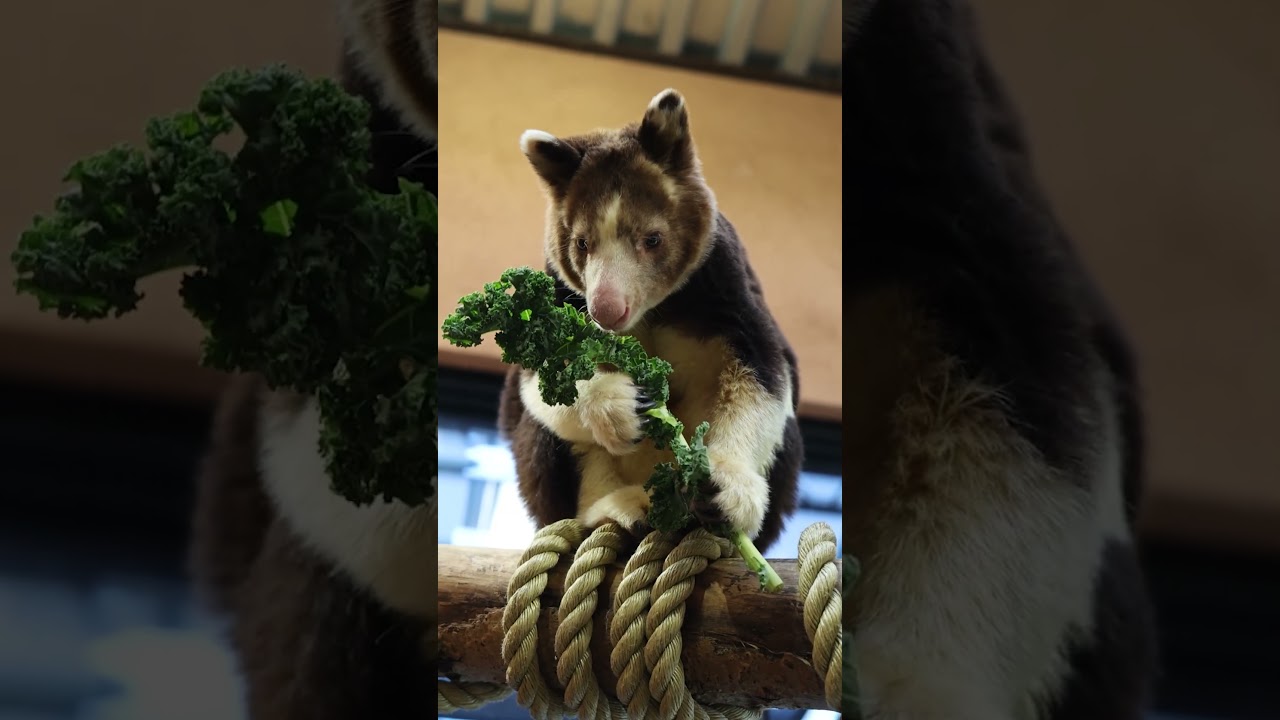
- Nutritional Importance of Kale in Animal Diets
- Role of Enrichment in Zoo Animal Welfare
- Zoo Management Practices for Animal Health
- Wildlife Conservation Efforts in Zoos
- Importance of Public Education on Conservation
Kale, often celebrated for its dense nutritional profile, plays a significant role in the diets of both humans and animals. As part of zoo nutrition programs, kale offers an important source of vitamins and minerals for various species. Nutritionally dense greens such as kale are crucial for the dietary health of herbivorous and omnivorous animals. They provide essential vitamins including A, C, and K, alongside calcium and fiber, which support digestive health and bone strength.
In addition to its nutritional benefits, kale serves as an effective enrichment tool. Enrichment involves introducing stimuli that enhance the physical and psychological well-being of captive animals. By encouraging natural feeding behaviors and cognitive engagement, enrichment reduces stress and contributes to overall health. Kale’s texture and taste can stimulate animals’ senses, promoting foraging behavior and interaction with their environment. It’s a testament to the innovative strategies zoos employ to mimic natural habitats and ensure the well-being of their residents.
Zoo management focuses on a comprehensive approach to animal health, integrating nutrition, medical care, and habitat design. The inclusion of foods like kale in animal diets demonstrates a commitment to offering balanced and varied meals. Regular dietary assessments and adjustments are vital, helping to maintain the animals’ health and vitality. Zoo veterinarians and nutritionists collaborate to tailor these diets according to species-specific needs, reflecting a dedication to excellence in care.
Beyond nutrition and enrichment, zoos play a vital role in wildlife conservation. Through captive breeding programs, they contribute to the survival of threatened species. Zoos are instrumental in preserving genetic diversity, acting as a safeguard against extinction. They participate in global networks like the Species Survival Plan, exchanging best practices and information. Conservation initiatives extend to habitat restoration and anti-poaching efforts, underscoring the multifaceted work zoos undertake.
Public education is also a cornerstone of conservation efforts. Zoos serve as platforms for raising awareness about wildlife conservation and environmental challenges. Exhibits and interactive sessions educate visitors on the importance of biodiversity and sustainable practices. Engaging the public in conversations about conservation fosters a sense of responsibility and action, encouraging individuals to support global efforts to protect wildlife. Such educational programs emphasize the interconnectedness of human actions and the health of natural ecosystems.
Enjoy some serious kale crunching highlights more than just a feeding session; it’s an example of the integration of nutrition, enrichment, and education in zoos. By focusing on these critical areas, zoos continue to evolve as centers of conservation and education, advocating for the protection of our planet’s biodiversity.
*****
Source Description
