
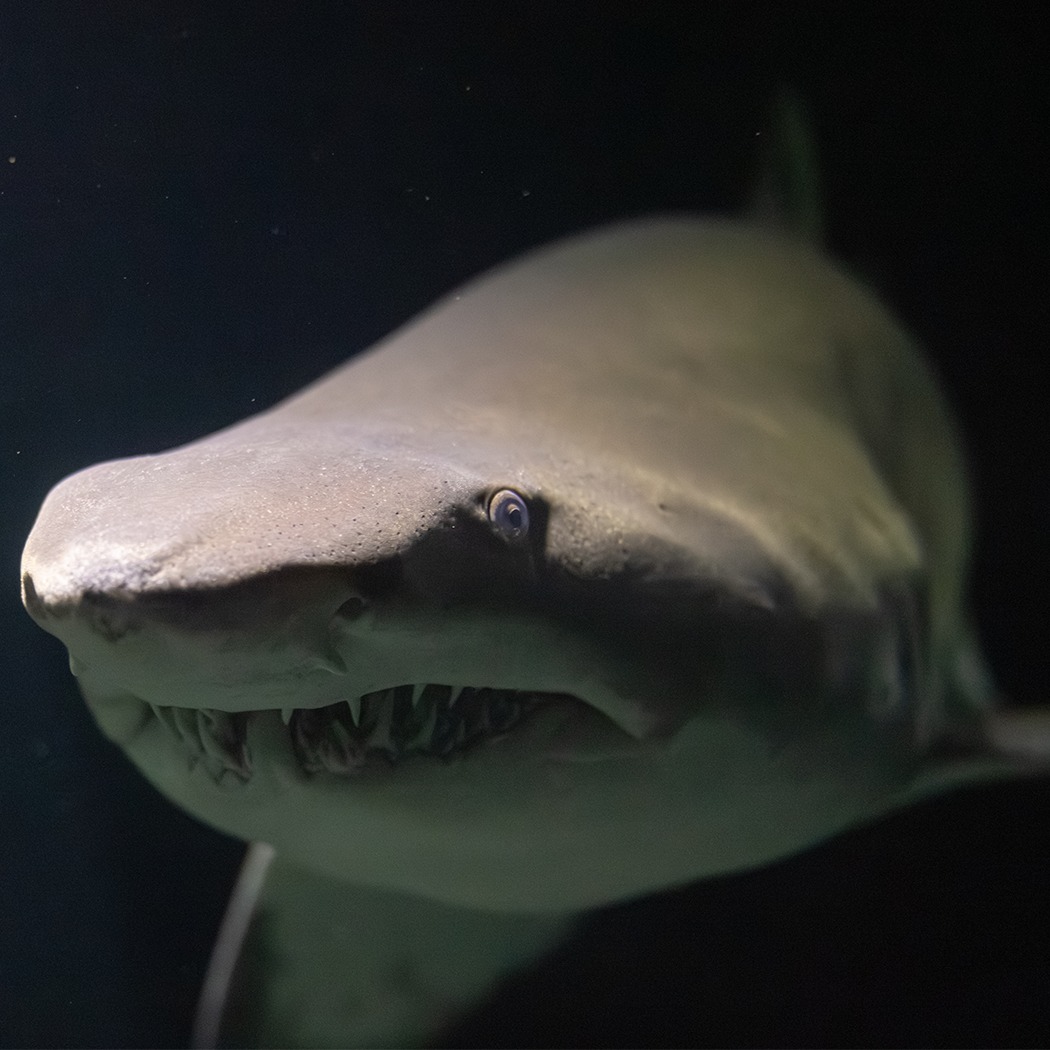
- Comparing the weights of a sand tiger shark, an Atlantic bottlenose dolphin, and an industrial-sized bag of salt.
- Understanding the biology and weight characteristics of sand tiger sharks and Atlantic bottlenose dolphins.
- Exploring the significance of weight in aquarium management, especially with slippery species.
- Examining the logistics behind transporting and handling large items in aquariums.
- Discussing conservation efforts related to sharks and dolphins and their ecological importance.
When considering the weights of different species, it can be surprising to discover how a sand tiger shark compares to an Atlantic bottlenose dolphin and an industrial-sized bag of salt. Each of these entities has distinct weight characteristics that reflect their biological makeup and human usage. While you may intuitively lean toward thinking that one of the marine animals weighs more than the bag of salt, the facts will illustrate a more intricate story.
The sand tiger shark, known scientifically as Carcharias taurus, is a fascinating species often recognized for its elongated body and prominent teeth. Typically, adult sand tiger sharks can weigh between 100 to 400 pounds, depending on their size and environment. Males are usually on the lighter side of this range, while females tend to be larger. These sharks possess a unique adaptation in their swim bladder, which allows them to float effortlessly and maintain their buoyancy. This property is essential for their hunting strategy and energy conservation.
On the other hand, the Atlantic bottlenose dolphin, or Tursiops truncatus, exhibits a different kind of weight profile. Adult dolphins can range from 300 to 1,400 pounds. The weight variation among dolphins is influenced by several factors, including age, diet, and habitat. Dolphins have muscular bodies built for speed and agility in the water, which also contributes to their substantial weight. Often, male dolphins are larger and heavier than females.
Now let’s shift our attention to the industrial-sized bag of salt. Typically used in various industries, including food production and de-icing roads, a standard bag of salt weighs around 2,000 pounds. This drastic difference in weight compared to the sand tiger shark and the Atlantic bottlenose dolphin becomes evident, as both marine species are significantly lighter in most cases.
In aquariums, understanding the weight of these animals is more than just a numerical curiosity; it has practical implications for management and animal care. Since both sand tiger sharks and Atlantic bottlenose dolphins are slippery, handling them requires specialized techniques. For instance, when moving aquatic animals, staff employ water-filled stretchers or specially designed nets to minimize stress and injury.
There are also containers used for transporting marine life that are specifically engineered for these purposes. These containers usually come equipped with aeration and temperature control systems. Such systems are essential to the well-being of these species, given their need for a stable and oxygen-rich environment. The aquarium staff must be skilled in handling both marine life and heavy equipment efficiently.
Weight also plays a significant role in daily care routines at aquariums. For example, feeding protocols for sand tiger sharks and Atlantic bottlenose dolphins are closely monitored. Staff must ensure that animals receive the right amount of food, which varies depending on their size and weight. This is vital for the health of the creatures and reflects broader ecological practices that aim to replicate their natural diets.
The conservation of both sand tiger sharks and Atlantic bottlenose dolphins is an area of increasing focus for many aquariums. Sand tiger sharks have faced population declines primarily due to overfishing and habitat loss. They are often mistakenly caught in fishing gear, which poses a significant threat to their survival. Conservation efforts include breeding programs and public education initiatives that aim to raise awareness of the plight of this species.
Similarly, Atlantic bottlenose dolphins are affected by pollution in their habitats, loss of prey, and even entanglement in fishing nets. Conservation programs strive to protect their natural environments and promote sustainable fishing practices. Additionally, aquariums offer valuable insights through research and rehabilitation efforts. By understanding these species’ biology, aquariums can effectively contribute to their survival in nature.
In terms of operational logistics, moving large items, such as an industrial-sized bag of salt, poses a different set of challenges. This is particularly relevant for aquariums that need to maintain large saltwater systems. The staff must carefully manage the weight and distribution of salt to ensure optimal water quality. An industrial-sized bag of salt, weighing approximately 2,000 pounds, demands specialized handling equipment, such as forklifts or pallet jacks, to move it efficiently across the facility.
Aquarium management also integrates weight considerations when designing exhibits. The structural integrity of enclosures, tanks, and habitats must support the weight of water, species, and any additional features like rocks or plant systems. Staff often calculate these weights carefully to prevent failures that could lead to leaks or structural damage. Trusting that the design can hold the significant mass of aquatic life alongside the weight of the water is critical to operational safety.
In conclusion, this analysis of the weights of a sand tiger shark, an Atlantic bottlenose dolphin, and an industrial-sized bag of salt provides intriguing insights into both animal biology and aquarium management. Understanding these differences is vital for proper care, conservation strategies, and logistical operations within aquarium settings. Each element plays a significant role, supporting diverse marine life and enhancing public knowledge about these incredible species.
*****
Source Description
What do you think weighs more: a sand tiger shark, an Atlantic bottlenose dolphin or an industrial-sized bag of salt? There’s a lot of heavy lifting that happens at the Aquarium, and we use special techniques when something is both heavy and slippery! Learn more at the link in our bio.
