
-
Exploring the behavior and significance of aquatic snakes and their adaptations to marine environments.
-
Understanding the roles and responsibilities of zoologists in researching, managing, and conserving aquatic reptiles.
-
Wildlife conservation strategies for protecting aquatic snake habitats and ensuring biodiversity.
-
The challenges faced by zoo management in replicating natural habitats and educating the public about aquatic reptiles.
-
Insight into the interconnectedness of ecosystems, with a focus on the role of aquatic snakes in maintaining ecological balance.
The aquatic snake, symbolized here by the emoji combination 🐍🌊, captures the imagination with its distinctive adaptations to life in marine environments. These reptiles hold a fascinating place in zoology, offering insights into evolutionary biology and ecological dynamics. From their ability to thrive in various water settings to their physiological adaptations, aquatic snakes are a key subject of scientific research and conservation efforts.
Aquatic snakes have developed remarkable adaptations that enable them to navigate diverse aquatic ecosystems. They display a range of behaviors suited to their environments, such as streamlined bodies for efficient swimming, specialized scales for reducing friction, and lungs adapted to extended diving periods. These adaptations highlight the evolutionary ingenuity of these reptiles in occupying ecological niches that few other vertebrates can exploit.
Understanding the roles and responsibilities of zoologists is essential in appreciating the complexity of studying and conserving aquatic snakes. Zoologists investigate behavioral patterns, population dynamics, and reproductive strategies. They employ various research methods, including field observations, tracking technologies, and genetic studies, to gather data that informs conservation strategies. This research is vital for maintaining the health and stability of aquatic snake populations.
Wildlife conservation strategies for aquatic snakes focus on habitat preservation and addressing threats such as pollution, habitat destruction, and climate change. Protecting riverbanks, wetlands, and coastal areas is crucial, as these habitats provide the necessary resources for the survival of these reptiles. Conservation efforts often involve collaboration with local communities to promote sustainable land-use practices and raise awareness about the ecological roles of aquatic snakes.
Zoo management plays a critical role in the conservation of aquatic snakes by creating and maintaining environments that mimic their natural habitats. This involves regulating water quality, temperature, and vegetation within enclosures to simulate wild conditions. Furthermore, educational programs foster public interest and understanding of aquatic reptile ecology, thereby enhancing conservation initiatives. Zoos serve as crucial centers for research, helping to develop and refine conservation methodologies.
Aquatic snakes contribute significantly to ecosystem balance by participating in food webs as both predators and prey. They help regulate fish populations and control pests, proving essential to the health of their habitats. Any disruption in their numbers can lead to increased algal blooms or a decline in fish populations, highlighting their integral role in ecosystem functionality.
Through focused research and conservation efforts, scientists and conservationists aim to protect aquatic snakes and the ecosystems they inhabit. Ensuring the survival of these reptiles requires a multifaceted approach that includes habitat protection, public education, and policy changes. Despite the challenges, these combined efforts present a promising path toward safeguarding the future of aquatic snakes and the biodiversity they support.
Engaging with the topic of aquatic snakes and their conservation not only enriches our understanding of their ecological importance but also underscores the broader implications of biodiversity preservation. By appreciating the intricate relationships within ecosystems, we can foster a more sustainable coexistence with our natural world.
*****
Source Description
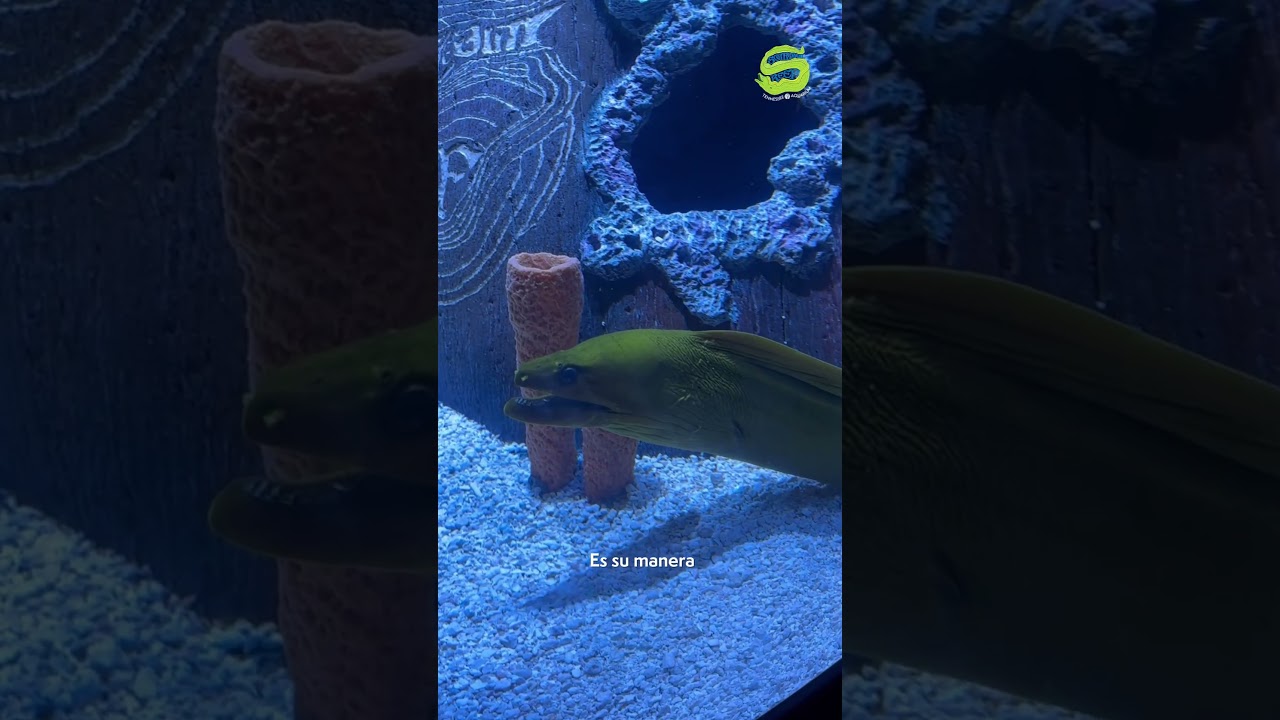
Sé lo que estás pensando… esa boca abierta se ve intimidante, ¿verdad?
Pero si la miras de cerca, ¡parece un poco cute! A veces juzgamos a los animales como ‘aterradores’ cuando, en realidad, solo están intentando sobrevivir. 💙
¡Ya puedes venir a ver nuestras anguilas morenas en la nueva galería de Scuttlebutt Reef! 🐟
#tennesseeaquarium #chattanooga #anguila #morena #aucario #animales #scuttlebuttreef
