
- Understanding the biology and behavior of jellyfish
- The educational benefits of sleepovers at the aquarium
- Conservation efforts related to jellyfish and their ecosystems
- Highlights of the aquarium sleepover experience
- Steps for planning your visit and making a reservation
The biology and behavior of jellyfish are fascinating topics that engage both children and adults alike. Jellyfish, belonging to the phylum Cnidaria, have existed for over 500 million years. Their simple body structure typically includes a gelatinous umbrella-shaped bell and tentacles filled with specialized cells called cnidocytes, which contain stinging structures known as nematocysts. These tentacles help jellyfish capture prey, primarily small fish and plankton. Although jellyfish lack a centralized brain, they possess a decentralized nerve net that allows them to react to environmental stimuli.
Different species of jellyfish exhibit various behaviors. For example, moon jellyfish gather in large blooms, enhancing their chances of survival. Other types, like the box jellyfish, are known for their agility and can swim away from threats. Understanding these behaviors adds depth to the aquarium experience. During sleepovers, participants can get close to these mesmerizing creatures and learn about their life cycles, habitat needs, and the roles they play in ocean ecosystems.
The educational benefits of sleepovers at the aquarium are multifaceted. These events provide an immersive learning experience. Children and their families can participate in guided tours that showcase different marine species, including jellyfish. Beyond surface-level observations, educators offer detailed insights into the biology and ecology of these animals, fostering a lasting appreciation for marine life.
In addition to learning about jellyfish, sleepover attendees engage in interactive crafts that highlight marine conservation themes. Hands-on activities enable participants to express their creativity while deepening their understanding of the ocean’s delicate ecosystems. Engaging discussions about marine biodiversity often inspire future environmental stewards. The direct exposure to marine life can lead to a heightened interest in marine biology or environmental science.
Conservation efforts concerning jellyfish and their ecosystems are increasingly crucial as our oceans face significant threats. Overfishing, pollution, and climate change are impacting jellyfish populations and their habitats. Jellyfish often thrive in degraded conditions where other species struggle, leading to ecological imbalances. Research indicates that jellyfish blooms can disrupt fishing industries and pose dangers to marine navigation. Educating attendees during sleepovers about the importance of maintaining balanced ecosystems helps promote conservation efforts.
Aquariums play an essential role in conservation by contributing to research, education, and public engagement. By studying jellyfish in controlled settings, researchers can gain insights into their biology and responses to environmental changes. This research can inform conservation strategies aimed at protecting both jellyfish and their habitats. Visitors may be encouraged to adopt sustainable practices after learning about the intertwined fates of jellyfish and the ecosystems they inhabit.
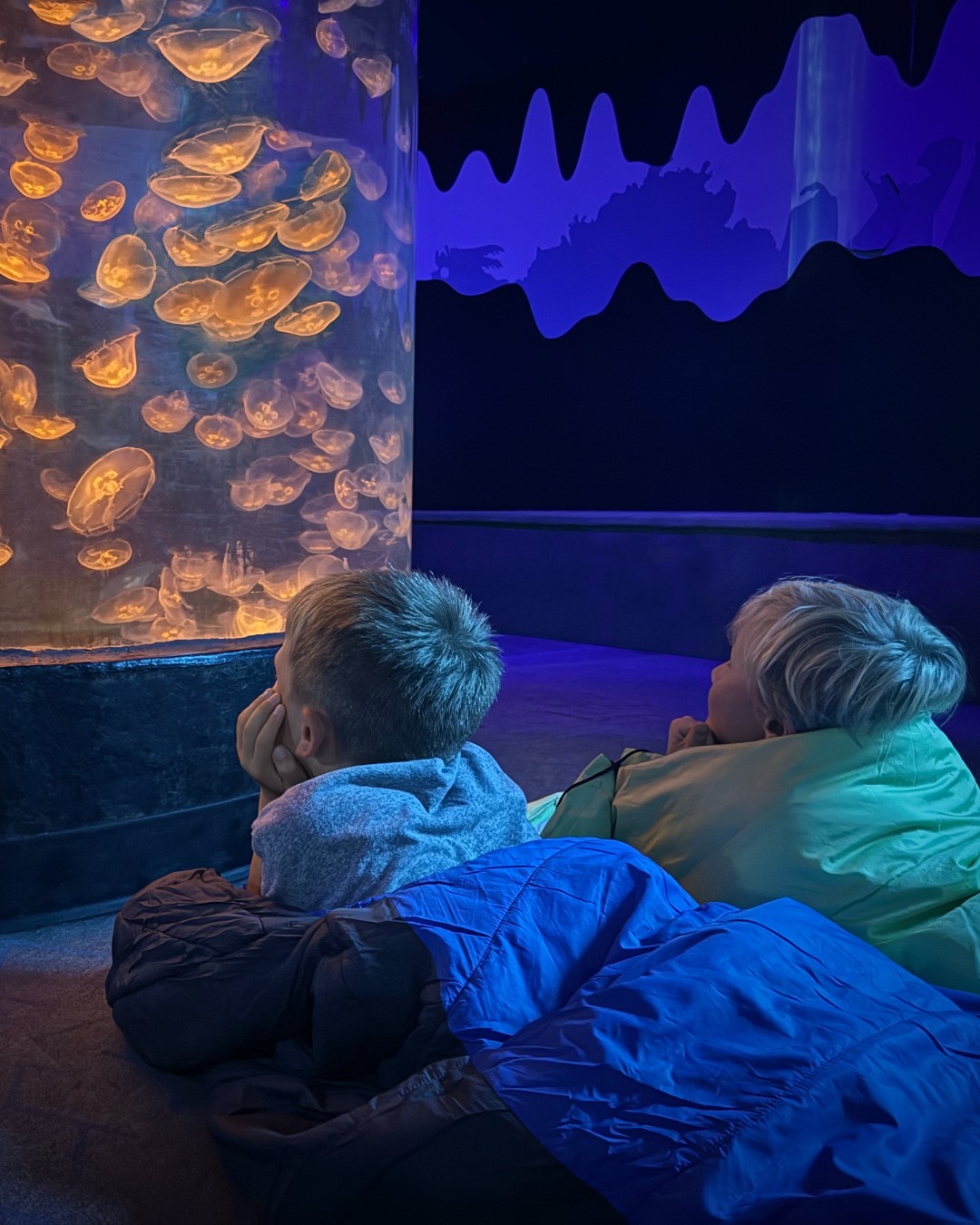
Sleepovers at the aquarium offer a rich experience that goes beyond mere observation. Participants can look forward to guided tours led by knowledgeable staff. These tours often include behind-the-scenes access to areas where the public typically does not go. Special attention is often given to jellyfish exhibits, where attendees can marvel at their graceful movements. The aesthetic beauty of these creatures, accentuated by dimmed lights and blue tanks, creates a magical environment.
In addition to tours, guests typically enjoy crafts that resonate with the themes of the night. These activities often revolve around the importance of jellyfish in marine ecosystems. By creating jellyfish models or art projects, participants infuse themselves into the educational experience. This craft component encourages teamwork and sharing of knowledge among participants, further enhancing the learning atmosphere.
Food is another highlight of the sleepover experience. Snacks designed with marine themes can engage young minds while providing nourishment. The act of sharing a meal also fosters a sense of community, which is essential when teaching the importance of conservation. Discussions around how to protect ocean creatures can take place informally during these meal times, making the learning experience feel organic and relatable.
Planning your visit and making a reservation for a sleepover at the aquarium is straightforward. Most aquariums have dedicated online platforms where prospective visitors can check availability and plan their itineraries. Important factors to consider include group size, special requests, and any dietary restrictions. Many aquariums also suggest booking well in advance, especially during peak seasons when demand for these unique experiences is high.
Prospective participants should also familiarize themselves with the key details of the sleepover agenda. Information regarding the timing of activities, the types of crafts offered, and any included meals will provide clarity and enhance the overall experience. Visitors can often download information sheets or guidebooks, which may include suggested packing lists and behavior expectations.
To sum it up, sleeping next to jellyfish offers an unparalleled opportunity for connection, education, and conservation. This immersive experience brings families and friends together while facilitating essential discourse about the fragility of marine ecosystems. Engagement in programs like these is vital for cultivating the next generation of environmental advocates.
By understanding the biology of jellyfish, partaking in educational activities, supporting conservation efforts, and enjoying a well-rounded sleepover experience, participants leave with a deeper appreciation for marine life. Planning these visits is accessible, making it easy for anyone interested in learning more about our oceans and the remarkable creatures that inhabit them to participate.
*****
Source Description
What’s better than visiting our jellies? Sleeping next to them! 🪼
Now is the perfect time to plan your fall sleepover at the Aquarium! Group sleepovers include a guided tour, crafts, snacks, and more.
Click the link in our bio to learn more about making reservations.
