
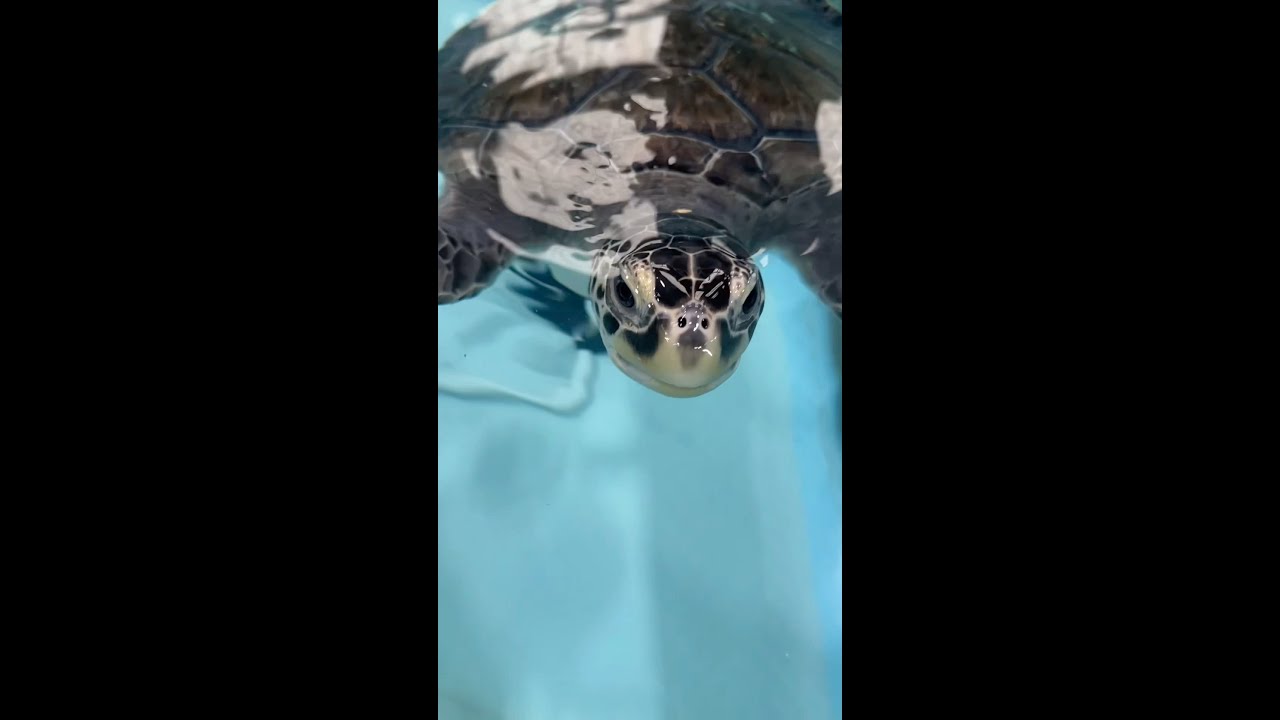
- Exploring the Role of Personality in Wildlife Conservation
- The Importance of Behavioral Observations in Zoo Management
- Technological Advances in Studying Animal Behavior
- Challenges and Opportunities in Engaging the Public with Wildlife
- The Significance of Personalities in Promoting Conservation Awareness
Zoo management and wildlife conservation are complex fields that integrate the study of animal behavior, public education, and technological innovation. Understanding animal personalities is crucial in enhancing conservation efforts, as it offers an avenue to connect people with wildlife on a personal level. The phrase “passing the phone… to someone with a lot of personality” highlights an innovative approach to engaging the public and promoting wildlife conservation.
Exploring the Role of Personality in Wildlife Conservation
Animal personality traits can notably influence conservation strategies. Personality describes consistent behavioral differences among individuals within a species. These differences can affect survival rates, reproduction, and adaptability to changing environments. Recognizing and categorizing these traits, such as boldness or shyness, allows conservationists to tailor strategies for species-specific needs. Bold individuals might be more exploratory, aiding them in adapting to new environments. However, they may also be at higher risk of predation. Understanding these dynamics aids in creating tailored conservation plans that can address both the strengths and vulnerabilities of different personality types within a species.
The Importance of Behavioral Observations in Zoo Management
Zoo management relies heavily on behavioral observations to ensure animal welfare. Detailed records of individual animal behavior help zookeepers monitor health, social interactions, and stress levels. By interpreting these behaviors, zoos can provide environments that cater to the needs of diverse personality types. Understanding an animal’s personality also assists in breeding programs, as compatibility can significantly impact reproductive success. Managing personalities can lead to more cohesive group dynamics and enhanced well-being within captive animal populations, ultimately contributing to sustainable zoo management practices.
Technological Advances in Studying Animal Behavior
Advancements in technology have revolutionized the study of animal behavior. Devices such as GPS collars, accelerometers, and camera traps provide researchers with data on animal movements and interactions without being intrusive. Software programs analyze vast amounts of data to detect patterns and anomalies in animal behavior, offering insights into their personalities. These technologies also facilitate remote monitoring, expanding research possibilities to include animals in their natural habitats. The integration of technology allows for a deeper understanding of species-specific personalities, enhancing conservation strategies and zoo management practices.
Challenges and Opportunities in Engaging the Public with Wildlife
Engaging the public in wildlife conservation is crucial for its success. Initiatives that showcase animal personalities can create emotional connections between humans and wildlife. Programs like “passing the phone… to someone with a lot of personality” highlight unique animal behaviors, capturing public interest and fostering empathy. However, there are challenges in maintaining these engagement levels. Effective communication and educational outreach are required to align public perception with conservation goals. Storytelling and interactive experiences can inspire a commitment to conservation efforts, bridging the gap between public interest and scientific goals.
The Significance of Personalities in Promoting Conservation Awareness
Highlighting animal personalities is a powerful tool in promoting conservation awareness. By showcasing individual animals with distinct traits, conservation organizations can illustrate broader environmental issues. Personal stories resonate with the public, encouraging a sense of responsibility and action. Campaigns that focus on animal personalities can also lead to increased support for conservation initiatives, both financially and through active participation. This approach creates a more relatable and engaging narrative, fostering widespread awareness and commitment to wildlife preservation.
Through the lens of animal personalities, we gain valuable insights into managing wildlife both in captivity and in the wild. By leveraging technology and public engagement, conservation efforts can be significantly enhanced, ultimately helping to protect our planet’s biodiversity for future generations.
*****
Source Description
The animals in our care have some very unique quirks, and our Animal Care team knows (and loves) every single one of them.
Shoutout to our incredible Animal Care staff who take the time to understand each animal’s individual needs, behaviors, and yes… weird little habits.
Happy Animal Care Appreciation Week!
#AnimalCareAppreciation #PassThePhone #AnimalCare
