
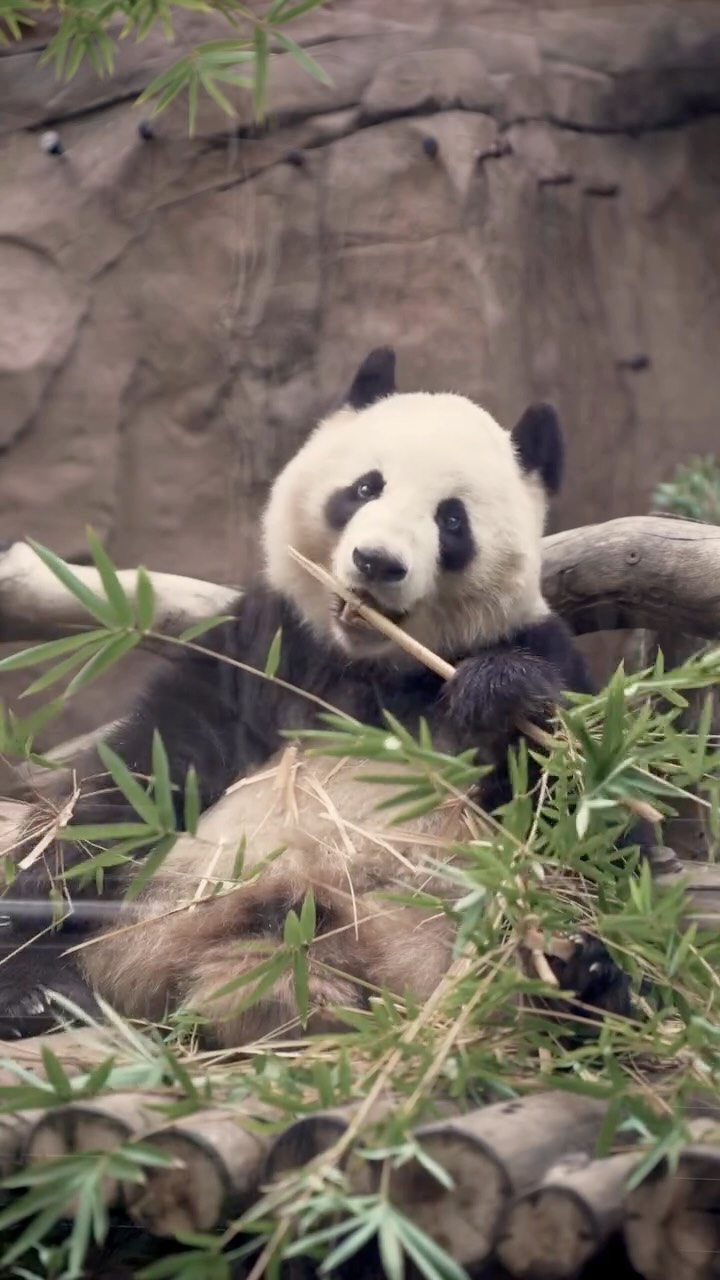
- Unforgettable wildlife moments in 2025
- Significant conservation achievements
- Innovations in wildlife management and technology
- Climate change impacts on biodiversity
- The role of community engagement in conservation efforts
Unforgettable wildlife moments in 2025
The year 2025 has been marked by some incredible moments in the wildlife conservation community. Capture events and remarkable experiences continue to inspire intrigue and commitment among conservation enthusiasts. Animal migrations, for example, have always fascinated those who study ecological patterns. This year, wildlife researchers documented unprecedented migrations, particularly among various bird species, whose routes deviated due to shifting environmental factors. These observations offer critical data, informing future conservation strategies and helping scientists understand the interconnectedness of ecosystems.
The birth of endangered species in wildlife sanctuaries also stands out. For instance, the first successful breeding of the critically endangered Amur leopard in captivity provided a glimmer of hope in the race against extinction. Conservationists monitored these births closely, ensuring optimal conditions and care as they work tirelessly to increase population numbers. Through public engagement programs, organizations harnessed social media to showcase these joyful moments, drawing attention to the struggles these species face and the importance of ongoing conservation work.
Significant conservation achievements
The conservation field witnessed impressive milestones in 2025, reflecting the relentless efforts of various organizations. Notably, the reforestation of previously devastated habitats has seen immense progress. Research scientists and volunteers planted millions of native trees, which not only aids in restoring ecosystems but also plays a fundamental role in carbon sequestration—a critical need in combating climate change.
Additionally, the successful establishment of marine protected areas (MPAs) in vulnerable regions has become a focal point for conservation efforts. These MPAs help preserve habitats for marine life, restoring biodiversity and allowing depleted fish populations to rebound. The engagement of local fishing communities was essential, as their insights helped shape policies that balance ecological preservation with economic needs. As fish stocks stabilize, communities benefit too, leading to increased food security.
Another key achievement in 2025 was the international agreement to combat wildlife trafficking, a significant threat to biodiversity. Countries came together to ratify new regulations emphasizing stricter penalties for poaching and smuggling endangered species. This unification of global efforts underscores the commitment to protect wildlife while collaborating with local communities.
Innovations in wildlife management and technology
As we advance into 2025, technology plays a vital role in wildlife conservation. Innovations such as drone surveillance and AI-driven data analysis are transforming traditional conservation practices. Drones equipped with high-resolution cameras have become a valuable tool for monitoring wildlife populations and assessing habitats. They provide real-time data that enables conservationists to address issues proactively, from identifying poaching activities to tracking animal movements.
Furthermore, AI technologies have drastically improved the analysis of large datasets gathered from wildlife studies. Machine learning algorithms can process information more efficiently, identifying patterns and trends that might go unnoticed by human researchers. This advancement helps speed up the decision-making process in conservation strategy development.
Citizen science platforms have gained traction this year, empowering individuals to contribute to conservation work. Applications that allow users to document wildlife sightings and upload data help researchers gather a broader understanding of species distribution. This collective effort fuels community engagement, with people invested in the conservation of their local ecosystems in ways that make a difference.
Climate change impacts on biodiversity
In 2025, the ongoing impacts of climate change have become increasingly evident, influencing wildlife habitats and species behavior. Rising global temperatures have altered migration patterns, resulting in mismatches between species and the seasons that sustain them. Notably, many amphibian species have shifted their breeding cycles in response to changing climatic conditions. This shift raises concerns regarding the availability of food resources, potentially affecting overall population dynamics.
Amid these changes, biodiversity loss remains a pressing concern. A report released this year emphasizes that climate change exacerbates existing threats, such as habitat destruction and invasive species. Conservationists recognize the urgent need to develop adaptive strategies to help species cope with the environmental stresses brought about by climate change.
Restoration projects have emerged as frontline approaches to mitigating these impacts. By restoring degraded habitats, conservationists can help animals find refuge from rising temperatures and habitat loss, ultimately supporting ecosystem resilience. Healthy ecosystems can adapt to climate variability more effectively, showcasing the intertwined nature of conservation and climate action.
The role of community engagement in conservation efforts
Community involvement is crucial in achieving meaningful conservation results. In 2025, many organizations prioritized local engagement, recognizing that conservation initiatives must resonate with the people living closest to the affected areas. This collaborative approach not only fosters local ownership of conservation efforts but also enhances the likelihood of long-term success.
Education programs focused on wildlife stewardship and sustainability initiatives have gained prominence. Workshops and school programs introduced young generations to the importance of biodiversity, helping them understand their role in wildlife protection. By fostering a sense of responsibility, these programs cultivate future leaders in conservation, building a foundation for ongoing efforts to safeguard ecosystems.
Partnerships with indigenous communities have also flourished this year, acknowledging their invaluable knowledge and traditional practices. These partnerships have proven effective in achieving better conservation outcomes, as many indigenous communities possess a deep-rooted relationship with the land and its wildlife. Collaborating with these groups can enhance conservation strategies and provide a more holistic understanding of ecosystems.
Ultimately, 2025 illustrated a compelling synergy between wildlife moments, conservation achievements, and community engagement initiatives. This year serves as a reminder of our collective responsibility to create a future where all life can thrive. With unwavering dedication, continued support for wildlife conservation, and collaborative efforts, the dream of a balanced coexistence between humans and wildlife can become a reality.
*****
Source Description
2025, you were wild 💚
From unforgettable wildlife moments to meaningful conservation wins, this year continued to show us why our mission matters, at home and across the globe.
Thank you for helping us create a future where all life thrives.
