
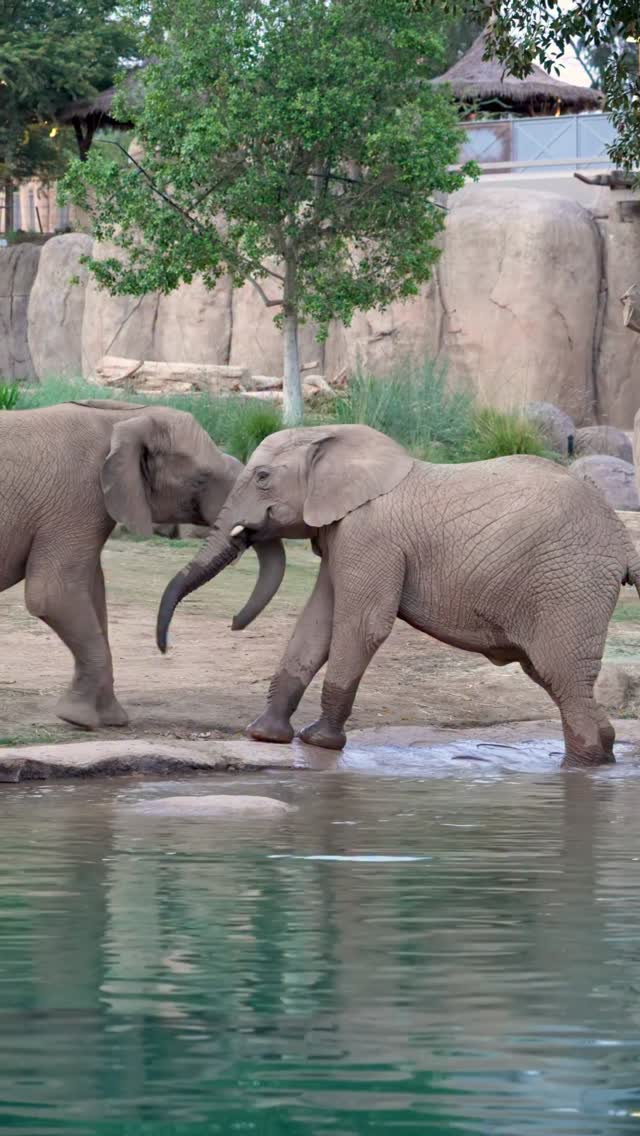
- New animal arrivals and their significance
- Key milestones in wildlife conservation
- Community engagement and outreach initiatives
- Scientific advancements in animal care and management
- Highlights of global conservation efforts
As we reflect on “A Few of Our Favorite Moments from 2025,” it is clear that this year has been transformative in the sphere of wildlife conservation and zoo management. The interplay of new arrivals, crucial milestones, community action, and scientific progress has collectively laid the groundwork for a sustainable future where various species can thrive alongside human populations.
New animal arrivals and their significance have played a pivotal role in enriching biodiversity within zoos and aquariums. In 2025, several notable species were introduced, enhancing both educational opportunities and genetic diversity. Among them were critically endangered species such as the Sumatran rhinoceros and the Eastern black rhino. These two species represent urgent conservation cases, and by including them in breeding programs and educational displays, zoos can raise awareness of their perilous situations. The arrival of these animals not only provides a chance for critical breeding initiatives but also enhances genetic diversity, which is vital for the long-term health of populations.
Zoos today do not solely act as exhibition spaces; they serve as vital hubs that contribute to species recovery efforts. For instance, the work of reputable zoos, such as initiatives led by the Association of Zoos and Aquariums (AZA), emphasizes collaborative breeding programs that increase genetic diversity among ex-situ populations. In their natural habitats, factors such as poaching and habitat destruction have drastically reduced their numbers. By safely housing these animals, zoological institutions can play a crucial role in establishing a viable genetic reservoir for future reintroductions.
Key milestones in wildlife conservation often arise from collective efforts that involve various stakeholders, including governments, NGOs, and local communities. The announcement of the Global Biodiversity Framework (GBF) in 2025 marked a significant achievement in international conservation efforts. This framework set quantifiable targets for biodiversity protection across nations, focusing on rehabilitating ecosystems and protecting critical habitats. Collaboration is a cornerstone of this framework, as it encourages countries to prioritize ecological health over economic short-term interests.
Additionally, partnerships between zoos and conservation organizations have yielded remarkable results. For example, notable successes in the recovery of the California condor and the black-footed ferret have been achieved through these collaborative efforts. These animals, once facing extinction, have slowly increased in number inching toward being a sustainable population, demonstrating that strategic interventions can yield tangible results. Such milestones serve as sources of hope, affirming the belief that collective action can lead to meaningful recovery.
Community engagement and outreach initiatives have been another focused area in conservation efforts this year. Recognizing that grassroots involvement is crucial for sustainable conservation efforts, many zoos have ramped up educational programs aimed at local communities. In 2025, family-focused conservation workshops became more prevalent, offering hands-on experiences that highlight the importance of wildlife preservation. Engaging youth in these initiatives not only fosters a sense of responsibility but also empowers them to act as stewards of the environment.
Conservation programs that actively involve children and families help to build a foundation of ecological literacy. Workshops that include activities such as animal tracking, habitat restoration projects, and pamphlets on local species contribute to a growing awareness of the intricate relationship between humans and wildlife. Furthermore, technology has played a significant role in enhancing these outreach programs, with digital engagement platforms allowing for wider participation. This innovative approach has attracted a broader audience, making conservation accessible to various demographic groups.
Scientific advancements in animal care and management have also shaped the narrative of 2025. This year saw significant improvements in animal nutrition and medical protocols. Research efforts have focused on creating diets tailored to the needs of individual species, enhancing their well-being and longevity. For instance, advances in nutritional science have allowed for specialized diets that mimic natural foraging behaviors. These modifications improve overall health, boosting immunity and reducing illness rates among captive populations.
Veterinary medicine in contemporary zoos has evolved dramatically. With increased understanding of species-specific health issues, veterinarians are now better equipped to address medical concerns in animals. In 2025, advances in telemedicine technology gave veterinarians immediate access to specialists around the globe. This immediacy can mean the difference between life and death for certain species. Efforts to track health data electronically have also improved the effectiveness of preventive care. By maintaining comprehensive records, zoos can more readily identify health trends and respond accordingly.
The integration of technology extends beyond veterinary care and nutrition. New monitoring systems that utilize GPS and RFID technology enable detailed tracking of animal movements and behaviors. Understanding these patterns helps not only in animal care but also in conservation strategies for wild populations. By applying these techniques, researchers can gain insights into how species interact with their ecosystems, ultimately informing conservation management.
Highlights of global conservation efforts in 2025 showcase immense strides made in the international wildlife protection arena. One standout initiative has been the collaboration of various nations to combat wildlife trafficking. Joint operations collectively target supply chains, making it increasingly difficult for illegal trade networks to operate. The establishment of transnational task forces has proven successful in apprehending traffickers and removing threatened species from the black market. Such progress underscores that fighting wildlife crime requires concerted global collaboration.
The role of citizen science in conservation has also gained substantial traction in 2025. The advent of smartphone technology has facilitated the gathering of valuable data from everyday individuals across the globe. Through smartphone apps, citizens can report sightings of endangered species, thus contributing to tracking populations and migration patterns. This grassroots approach not only enriches scientific databases but also empowers individuals to connect with and contribute to conservation efforts.
In addition, many regions around the globe have seen rewilding projects flourish. These initiatives focus on restoring ecosystems to their natural states by reintroducing key species that have been lost. Successful reintroduction of wolves in Yellowstone National Park serves as a notable example, showcasing the cascading positive effects on local ecosystems. In 2025, similar projects gained traction in Europe and parts of South America, solidifying the paradigm that restoring natural predator-prey dynamics can lead to ecological regeneration.
The year 2025 marked a watershed moment in the conservation narrative, demonstrating how community engagement, scientific advancements, and ambitious global initiatives can collectively drive significant change. The triumphs noted here highlight that when individuals and institutions unite with a shared vision, they can cultivate sustainable environments where all life can flourish.
Several organizations and institutions are at the forefront of these advancements, exemplifying a collaborative spirit in the conservation arena. By supporting these institutes and participating in ongoing educational endeavors, every individual can contribute to this vital mission. The success stories from 2025 illuminate the path forward, inspiring future generations to care for the fragile ecosystems around them. Together, we can create conditions for biodiversity to thrive and forge a lasting legacy of conservation.
*****
Source Description
A few of our favorite moments from 2025 ⭐
New arrivals, meaningful milestones, and conservation wins made this year one to remember.
Thank you for helping us create a future where all life thrives.
