
- The significance of seasonal adjustments in zoo operations and visitor experience
- Overview of winter hours, safety measures, and visitor engagement
- Insights into the welfare of animals during colder months
- The role of staff in maintaining comfort and safety during winter
- Conservation initiatives and educational programs during winter
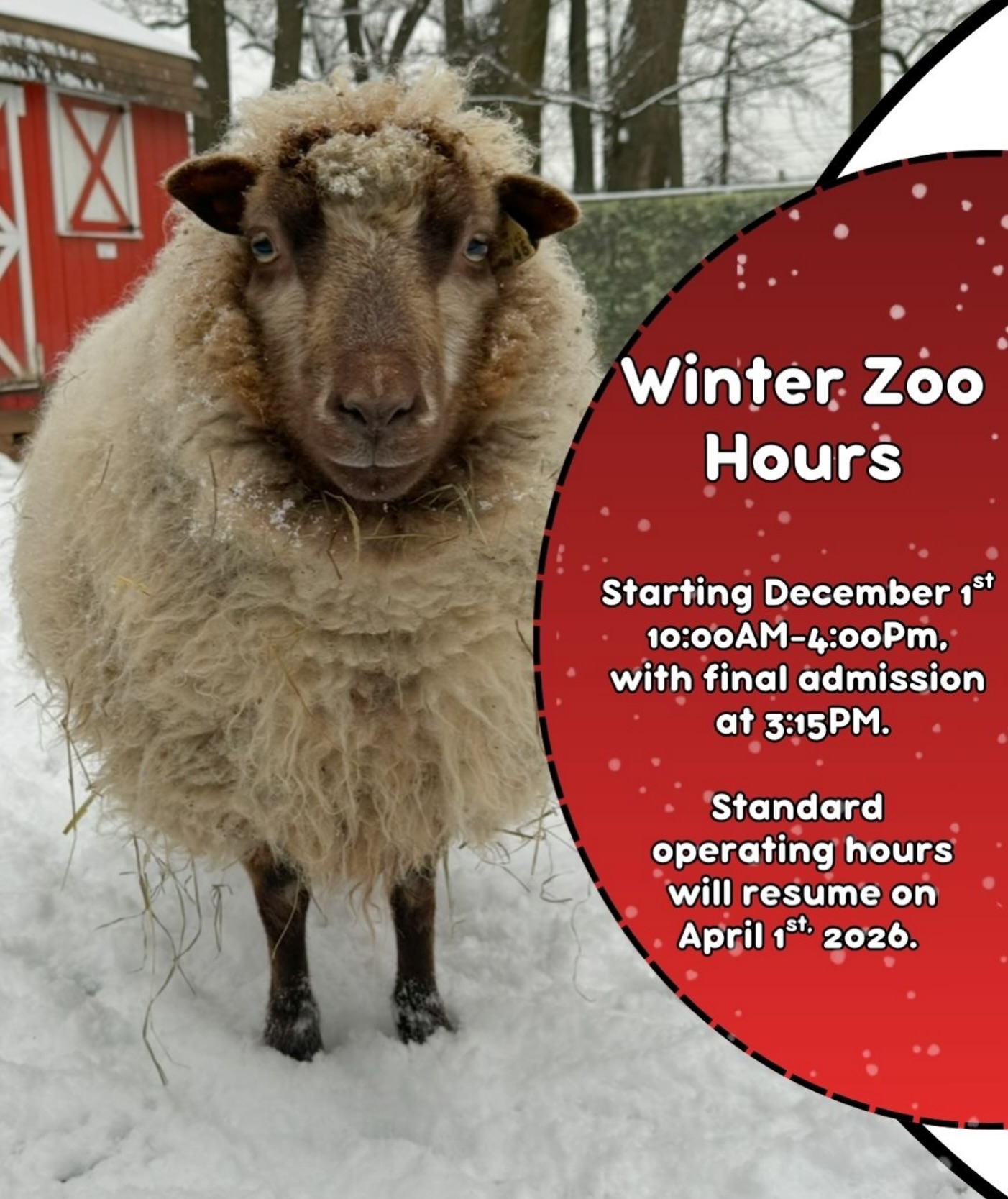
As winter settles in, many facilities, including zoos, routinely adapt their schedules to ensure optimal experiences for both visitors and animals. The upcoming transition to winter hours, from December 1st, 2025, to April 1st, 2026, highlights this necessity. During this period, the Zoo will operate from 10 AM to 4 PM. Adjusting hours is crucial for several reasons: it enhances wellbeing for guests and animals, aligns operations with seasonal conditions, and fosters a comfortable atmosphere for all.
The winter hours provide a window for visitors to explore the wonders of animal life in a different light. Many animals exhibit distinct behaviors and adaptations in response to seasonal changes. In colder months, diurnal animals—those active during the day—may adjust their routines according to temperature variations. While some species become more lethargic, others might display increased activity as part of their winter behaviors, providing a unique opportunity for guests to observe them at their best.
To maintain comfort and safety, the Zoo implements a variety of measures aligned with winter conditions. With shorter daylight hours and potential inclement weather, winter hours protect both guests and staff from cold exposure. It encourages a more manageable experience with fewer crowds, thereby enhancing visitor engagement. A shorter duration also enables staff to focus on animal care and habitat maintenance immediately upon closing.
Animal welfare is a central focus during the winter months. As temperatures drop, many animals alter their diets and routines. Cold-weather adaptations are vital for their health. For instance, many animals may require additional food as they expend more energy to stay warm. This is especially true for species from warmer climates that may experience stress in colder environments. Staff monitor animals closely, adjusting care protocols and ensuring their habitats provide suitable shelter from frost and snow.
The winter brings visible changes to the landscape of the Zoo as well. Some areas may be updated with winter-themed displays, which creates a festive atmosphere while educating guests about seasonal adaptations in wildlife. It’s essential to communicate changes in programming to visitors, so they understand what to expect during the winter months. This involves sending out notifications through various channels like social media, emails, and signage within the Zoo itself.
The role of staff during this season is indispensable. Trained keepers must maintain a keen watch over animal behavior, noting any signs of distress or health concerns that might arise from colder conditions. They are responsible for ensuring enclosures are winter-ready, which entails proper insulation and bedding materials for insulation. In addition, keepers lead educational programs that spotlight how various species adapt to winter. These interactions enhance the educational experience for visitors.
Conservation initiatives don’t slow down in the winter months. Instead, they become tailored to focus on the ecological concerns specific to winter habitats. Educational programs can revolve around the impacts of climate change on animal behaviors and how various species cope with habitat alterations. Highlighting these issues fosters a deeper understanding of wildlife conservation.
Moreover, winter is an opportune time for zoos to collaborate with local schools and organizations. Joint programs can be conducted to engage younger audiences in conservation themes. These educational outreach initiatives are vital for instilling a sense of environmental stewardship among future generations. They emphasize that caring for wildlife doesn’t just happen in warmer months—it remains a year-round commitment.
Seasonal programming can also include holiday-themed events, highlighting the unique aspects of winter ecology. By examining species that thrive in colder climates, guests gain valuable insights into biodiversity and natural history. This approach not only enriches their experience but also encourages deeper connections to conservation and the natural world.
Finally, while winter visits may be markedly different from summer excursions, the Zoo remains committed to providing a rewarding experience. By promoting awareness of winter-specific adaptations in wildlife, the Zoo offers enriching, educational opportunities that invite all visitors to support wildlife conservation efforts.
Switching to winter hours, from December 1, 2025, to April 1, 2026, caters to these varying needs while enhancing overall enjoyment. Thank you for sticking with us through every season as we continue to educate, inspire, and promote the well-being of wildlife and visitors alike, even in the chilly arms of winter. Your continued support allows us to foster a safe and engaging environment where the beauty of nature is accessible for everyone year-round.
*****
Source Description
As winter settles in, we’re updating our schedule to match the season. Beginning December 1st, 2025 through April 1st, 2026, the Zoo will transition to our new winter hours of 10AM–4PM. This change helps us keep both guests and staff safe, comfortable, and able to enjoy the Zoo at its best. Thank you for sticking with us through every season! ❄️⛄️🥶
