
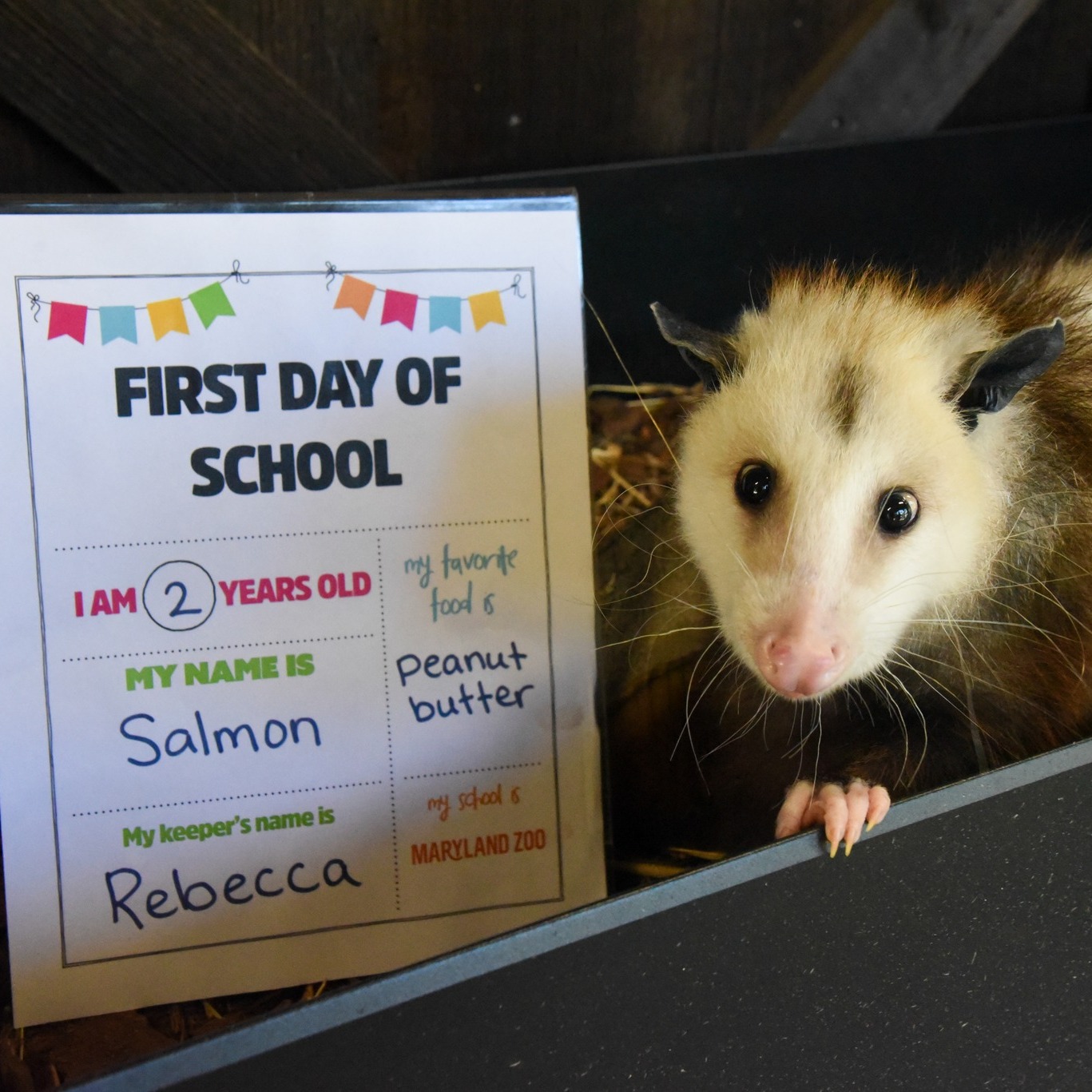
- Wishing students and educators a successful school year
- The role of animal ambassadors in education
- Conservation awareness through engagement at zoos
- Building connections between students and wildlife
- The significance of education in zoology and wildlife management
Wishing all students and educators a wonderful start to the school year! This time of year holds excitement and opportunity as classrooms welcome new faces and begin fresh journeys of learning. At zoos, this is an especially vibrant time, where we cannot overlook the educational role of animal ambassadors. Interacting with these unique species often sparks curiosity and fosters a love for wildlife among students.
Animal ambassadors play key roles. Their presence in educational programs offers students a tangible connection to wildlife. From barn owls to tortoises, these animals help illustrate complex biological principles and ecological relationships. Learning about their habitats, behaviors, and conservation statuses can captivate young minds. When students see an animal firsthand, the impact is profound.
Conservation awareness is also critically important. The education system must incorporate topics related to wildlife preservation. By engaging with animal ambassadors, students gain insight into the challenges these species face. Conservation education fosters a sense of responsibility towards protecting biodiversity. Through storytelling and observation, students can understand how their actions affect the environment. Zoos provide a platform for this type of learning through interactive exhibits and thoughtful programming.
Building connections between students and wildlife is essential for environmental stewardship. When students form emotional bonds with animals, they may become advocates for conservation. Encouraging curiosity and empathy leads to a deeper understanding of ecological principles. Schools can collaborate with zoos to create programs like field trips, where students interact directly with animals. Such experiences can solidify knowledge gained in the classroom.
The significance of education in zoology and wildlife management cannot be overstated. Understanding the science behind animal behavior, conservation biology, and habitat management equips students with the knowledge they need for future careers in the environmental sector. Zoology education encompasses various fields, such as genetics, ecology, and veterinary sciences. Educators are tasked with imparting this critical information, enabling the next generation to tackle pressing environmental issues.
As students embark on their academic paths, it is crucial to encourage curiosity about the natural world. A deep-seated love for animals and nature can inspire lifelong pursuits in conservation. Encouraging students to ask questions and engage in discussions enhances their learning experience. This type of exploration can lead to innovative solutions for environmental challenges that face our planet.
When photos are taken with animal ambassadors during the school year, these moments serve a dual purpose. They capture memories and solidify lessons learned. These images often become a source of inspiration, reminding both students and educators of the roles animals play in ecosystems and the importance of wildlife conservation. Each photo is a celebration of curiosity and connection—a momentary freeze in time, allowing students to reflect on their experiences.
Educators can enhance the classroom environment by integrating zoo visits into their curriculum. Such excursions can help facilitate discussions on ecology and the importance of preserving wildlife. From learning about food chains to understanding the impacts of climate change, students can see real-world applications of their studies. Often, learning in a non-traditional environment sparks higher engagement levels.
Incorporating technology, like interactive apps and online resources, can also augment learning experiences. Virtual zoo tours and live-streamed animal feeds can bridge the gap when physical visits aren’t feasible. This approach keeps the excitement alive, providing students access to the fascinating world of animals. Technology has the potential to enhance understanding of animal conservation and the various roles these species play in global ecosystems.
Additionally, educators can implement project-based learning techniques. Assigning research projects focused on specific animal ambassadors allows students to investigate species in-depth. By presenting their findings, they build communication skills and gain a comprehensive understanding of conservation issues. Such initiatives can cultivate a sense of ownership over their learning.
Moreover, partnerships between educational institutions and local zoos can drive community engagement. Zoos can offer workshops and training sessions for teachers, providing tools and resources for environmental education. By equipping educators with knowledge, zoos help form stronger connections between students and wildlife.
The benefits of a collaborative approach in education extend beyond the classroom walls. Students who engage with animal ambassadors often find themselves inspired to take action. Whether through volunteering, participating in conservation projects, or advocating for wildlife protection, the impact of education is clear. Every student can play a part in preserving biodiversity.
As we celebrate the start of a new school year, it is critical to reflect on the importance of wildlife education. Students who have meaningful experiences with animals will carry those memories into adulthood. Through programs that connect them with nature, we build a generation that values and protects the incredible diversity of life on Earth.
Zoos are not just places for entertainment; they serve pivotal roles in education and conservation. Supporting programs that prioritize wildlife education is essential for fostering environmental stewardship. Every encounter with an animal should be viewed as an opportunity to inspire curiosity and learning.
The school year ahead holds promise. Expect to see students thriving, educators imparting knowledge, and animal ambassadors capturing hearts and minds. By fostering connections between students and wildlife, we lead them toward a future committed to conservation. Each child that learns about the importance of protecting animal species becomes a defender of nature.
This journey begins with a simple wish: for all students and educators to have a meaningful and exciting year. May the connection with animal ambassadors and the lessons they impart become a springboard for discovery and advocacy. Together, we can create a legacy of conservation that resonates for years to come. Exciting times lie ahead as we witness the blending of education, wildlife, and a commitment to the planet’s future.
*****
Source Description
Wishing all students and educators a wonderful start to the school year! We couldn’t pass up on taking a few First Day of School photos with some of the animal ambassadors here at the Zoo. 📚✏️
