
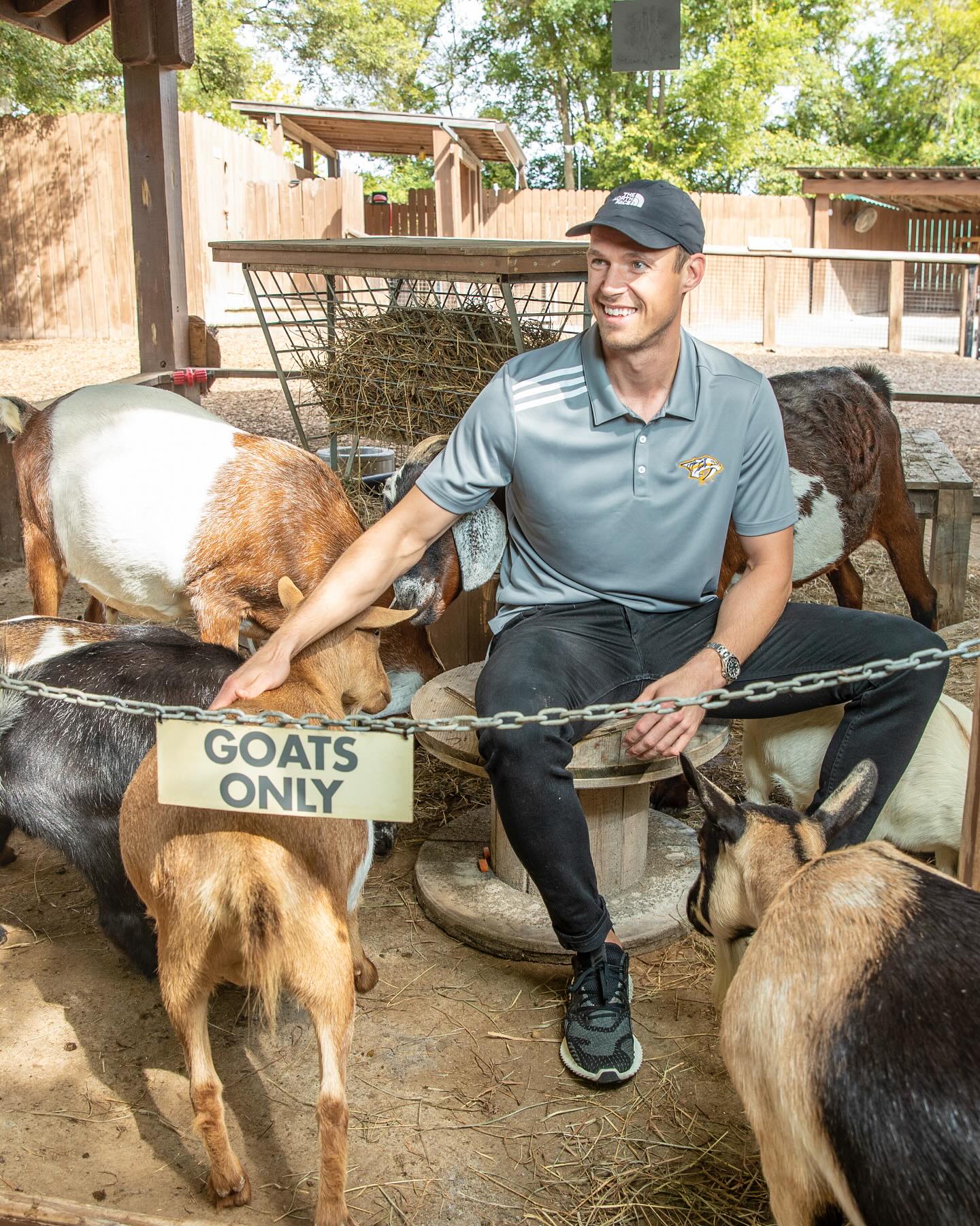
- The biological and anatomical characteristics of goats
- The ecological role of goats in various habitats
- Goat domestication and their significance in agriculture
- Conservation efforts relating to wild goat species
- The cultural and symbolic importance of goats in human societies
Goats are fascinating animals, both biologically and ecologically. Belonging to the genus Capra, they exhibit a variety of anatomical features that have evolved to adapt to diverse environments. Goats possess a remarkable set of adaptations. Their bodies are typically stocky and muscular, allowing them to navigate steep terrains. They have split hooves, which provide excellent traction on uneven surfaces, making them surprisingly agile climbers. Their eyes are also adapted for wide peripheral vision, enabling them to spot predators in their surroundings.
Notably, goats are ruminants, equipped with a specialized digestive system that allows them to efficiently break down tough plant materials. They possess a four-chambered stomach that facilitates fermentation and digestion of fibrous foods. This adaptation not only enables goats to thrive on a diet rich in grasses and shrubs but also plays a critical role in nutrient cycling within their ecosystems. As herbivores, goats contribute to the health of their habitats by managing vegetation growth, which, in turn, provides a balanced ecosystem for various species.
Goats inhabit a wide range of ecosystems, from mountainous regions to deserts. Their adaptability is a significant contributor to their ecological role. In mountainous areas, they often serve as a form of natural landscaping. By grazing on overgrown areas, goats prevent invasive plant species from taking over, which can threaten native flora and fauna. In arid environments, goats can be integral to maintaining the balance of the local ecosystem. They help distribute seeds through their droppings, promoting plant diversity.
Domestication has played a pivotal role in the significance of goats in human agriculture. Evidence suggests that goats were among the first animals to be domesticated, dating back over 10,000 years. This long history has established goats as a primary source of milk, meat, and fiber. Many breeds have been developed through selective breeding for specific traits, resulting in a variety of sizes, temperaments, and productivity levels.
Dairy goats, for example, have been bred to maximize milk production. Popular breeds like the Saanen and Nubian are known for their high yields. Meanwhile, fiber goats, such as the Angora and Cashmere varieties, are valued for their soft, luxurious fibers. These fibers are essential in textile production and contribute significantly to the economies of regions where they are produced.
Goats are also vital for ecological farming practices. By employing goats for controlled grazing, farmers can reduce the need for chemical herbicides and promote healthy soil conditions. This method of land management aligns with sustainable agriculture principles. It not only benefits goat farmers but also enhances biodiversity and soil health.
Wild goats, like the ibex and Markhor, face challenges due to habitat loss and hunting pressures. These species play important roles in their ecosystems, and their conservation is imperative. Efforts to protect wild goat populations often involve habitat restoration, anti-poaching initiatives, and community education programs. Local communities can play a key role in conservation by understanding the ecological importance of these animals and engaging in sustainable practices.
Historically, goats have also held significant cultural meanings across various societies. In many cultures, goats have been symbols of fertility and vitality. Ancient mythologies frequently depict goats, often associating them with deities or revered figures. For instance, the Greek god Pan is commonly represented with goat-like features, embodying the spirit of nature itself. In agricultural communities, goats are often considered a sign of wealth and status, and they play central roles in rituals and celebrations.
The naming of a goat after Pekka Rinne highlights this cultural dimension, emphasizing the connection between animals and human experiences. Pekka Rinne, a celebrated ice hockey player, embodies attributes like vigor, resilience, and excellence—qualities that resonate with the traits of goats. Such gestures foster a connection between sports, culture, and the animal kingdom, enriching the narrative surrounding goats.
As goat populations continue to thrive due to their adaptability, it’s crucial to ensure their well-being. Responsible goat ownership involves providing adequate nutrition, housing, and veterinary care. Proper management practices not only benefit the goats but also enhance the productivity and sustainability of farming operations. Engagement with animal welfare organizations can further champion the cause of humanely raising and maintaining healthy goat populations.
Ultimately, goats are much more than livestock; they are integral to ecosystems and cultures. They serve various functions across agricultural landscapes, influence ecological balance, and enrich human societies with their presence. By recognizing their importance, we can better appreciate these remarkable animals and the diverse contributions they provide toward environmental and cultural richness. Whether in agriculture, conservation, or cultural symbolism, one truth remains clear: goats hold a special place in the tapestry of life.
*****
Source Description
GOATS ONLY
Pekka Rinne is so legendary that the @nashvillezoo named a goat after him. Swipe to the end to see goat Pekka 🐐
