
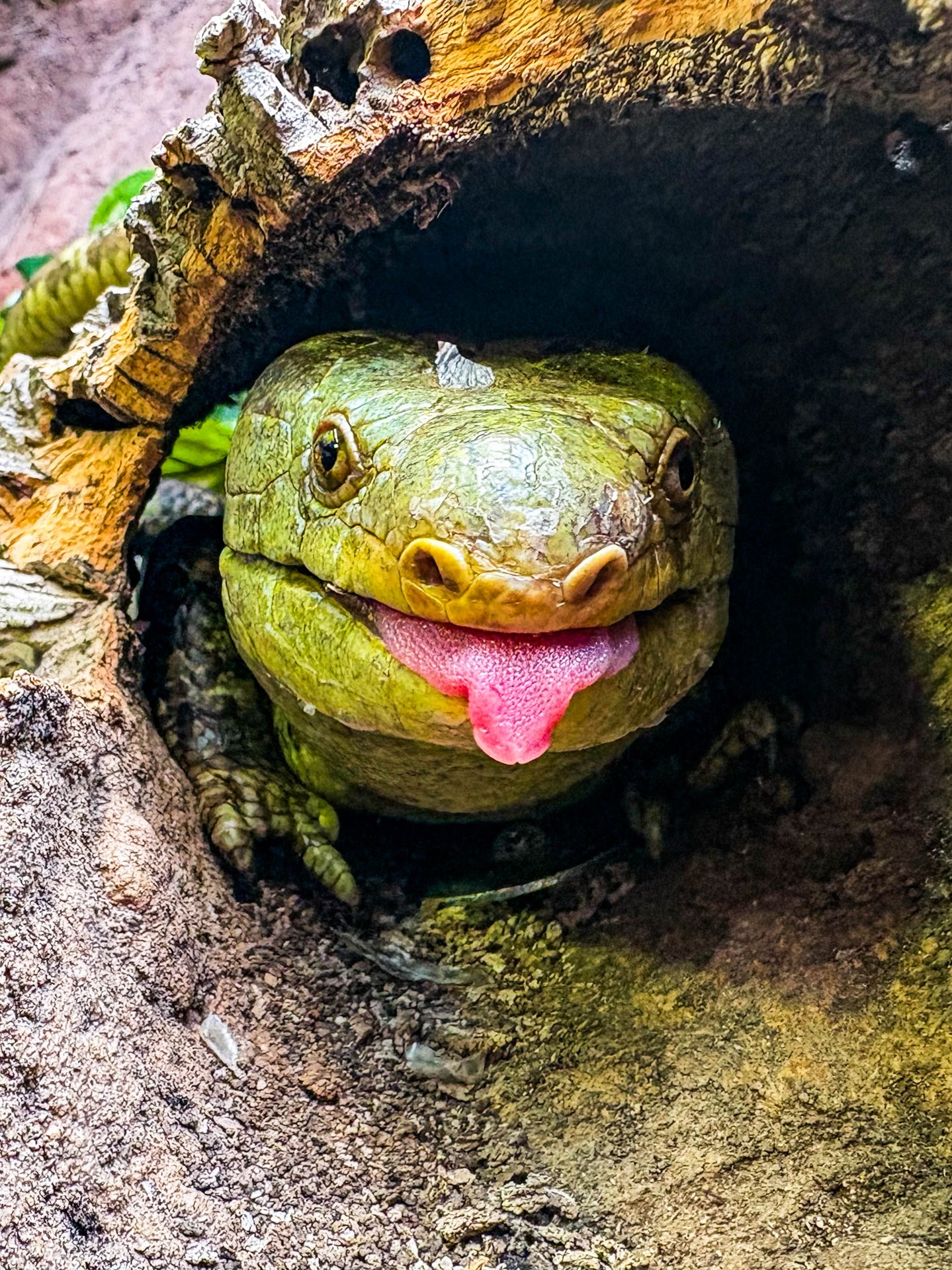
- The biology and physical characteristics of the prehensile-tailed skink
- Behavioral traits and feeding habits
- Habitat and ecological role
- Conservation status and efforts
- Importance of education and awareness in wildlife conservation
The prehensile-tailed skink is a large, arboreal lizard endemic to the forests of the Solomon Islands. One of its most striking features is its prehensile tail, which acts almost like a fifth limb, allowing the skink to navigate its tree-dwelling habitat. This tail, along with their other adaptations, facilitates a life high in the branches, away from many ground-based predators. With a robust body and smooth scales, these lizards can reach up to 14 inches in length, making them one of the largest skinks in the world.
In terms of biology, prehensile-tailed skinks exhibit sexual dimorphism, where males and females show distinct physical differences. Males tend to be larger and display brighter coloration, whereas females are generally more subdued in color. This can be seen as an adaptation for their roles in reproduction; brighter colors may signal health and vitality to potential mates while providing camouflage for females that are often nesting. With a diet primarily composed of fruits, flowers, and occasionally insects, their feeding behavior is quite specialized and dependent on their arboreal environment.
Behaviorally, prehensile-tailed skinks use their long, forked tongues for gathering scents, much like snakes do. This adaptation allows them to detect potential mates or identify food sources without using their eyes, which can be limited in the dimly lit understory of the forest. Skinks are primarily diurnal, engaging in active foraging during daylight hours. Their climbing abilities are impressive, enabled by their specialized limbs and tail. They exhibit social behaviors such as communally basking, often seen together on branches soaking up the sun.
In terms of habitat, the prehensile-tailed skink thrives in tropical rainforests where they rely on trees for shelter and sustenance. They are typically found in both primary and secondary forests, often residing near water sources like rivers or streams. These habitats provide necessary moisture and support a diverse array of plant species, critical for their diet and overall health.
Conservation status is a significant concern for prehensile-tailed skinks. They are classified as endangered by the International Union for Conservation of Nature (IUCN). Habitat loss due to logging, agricultural expansion, and climate change poses serious threats to their populations. Conservation efforts focus on habitat protection and restoration, alongside public education campaigns aimed at increasing awareness of these fascinating lizards and their ecological significance.
Education and awareness are vital components of wildlife conservation. Initiatives aimed at preserving prehensile-tailed skinks must include not only habitat protection but also community engagement. Local populations can play an essential role in conservation by recognizing the value of preserving their natural environment. Educational programs can foster a sense of pride and responsibility, encouraging communities to protect their unique biodiversity.
In zoos and wildlife parks, prehensile-tailed skinks serve as ambassadors for their species. Through educational programs, visitors learn about their biology, behavior, and the threats they face. Keeper demonstrations can illustrate the skink’s unique adaptations, such as their prehensile tail and foraging methods. These interactions allow the public to connect with wildlife on a personal level, fostering a deeper understanding of the importance of conservation.
Research into the prehensile-tailed skink also continues to provide important insights into their biology and ecology. Scientists study their genetics, behavior, and reproductive biology to better understand their needs in captivity and the wild. This research not only informs captive breeding programs but also contributes to broader conservation strategies aimed at species recovery.
Captive breeding programs play a crucial role in conservation, particularly for endangered species like the prehensile-tailed skink. By breeding these animals in controlled environments, zoological institutions can help maintain genetic diversity and potentially reintroduce them into their natural habitats. These programs require careful planning and collaboration among various organizations to ensure the survival of the species.
Community-based conservation approaches are equally important. Engaging local populations in conservation efforts not only empowers them but also provides direct benefits to their livelihoods. Sustainable tourism initiatives that highlight the unique flora and fauna of the Solomon Islands can also incentivize local communities to protect their natural environment. By showcasing the beauty and significance of the prehensile-tailed skink, communities can benefit economically while preserving their biodiversity.
Understanding the ecological role of the prehensile-tailed skink is essential for effective conservation. As herbivores, they play a part in seed dispersal, impacting plant community dynamics within their habitats. Protecting these lizards contributes to maintaining healthy ecosystems. Furthermore, their presence is indicative of a balanced forest environment, reflecting overall biodiversity.
The plight of the prehensile-tailed skink serves as a reminder of the challenges many species face today due to habitat destruction and climate change. Increased awareness and education on their conservation status are essential. Encouraging the next generation to appreciate the complexity of ecosystems and the organisms that inhabit them is paramount. Schools, nature centers, and community organizations must work collaboratively to promote environmental stewardship.
In summary, the prehensile-tailed skink is not just a remarkable species due to its biology and behavior; it represents broader conversations about conservation and ecological health. Their appeal can spark interest and inspiration, encouraging individuals to become advocates for wildlife. By fostering awareness and support for such species, we acknowledge the rich tapestry of biodiversity that sustains our planet. In wishing you a week of skink-like whimsy, may it be a reminder of the beauty of nature and the importance of protecting it for future generations.
*****
Source Description
Wishing you a week of skink-like whimsy this 🦎👅
The prehensile-tailed skink is a large, arboreal lizard that uses its tongue to gather scents much like snakes do.
📸: Keeper Addy
Alt-text: Izzy the prehensile-tailed skink sticks her tongue out at us as she crawls through a hollow log in the first picture. In the second, she clings to a branch in her Tropical Wonders habitat as she gulps down a green bean.
