
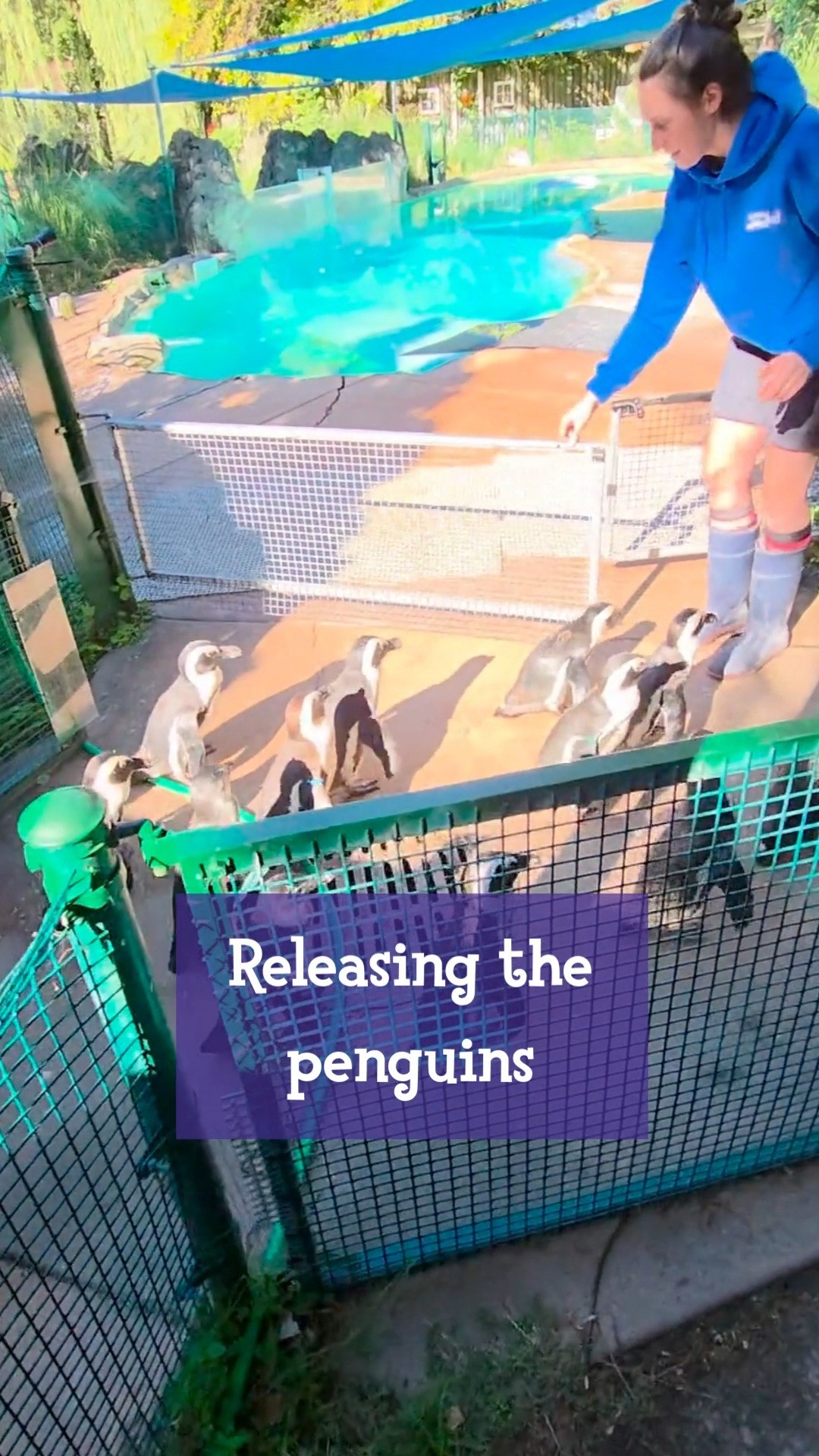
- The daily responsibilities and tasks of a tropics keeper at the Saginaw Children’s Zoo.
- The importance of biodiversity in tropical ecosystems and its impact on conservation efforts.
- The role of education and visitor engagement in fostering a connection to wildlife.
- Challenges faced by tropics keepers in maintaining animal welfare and habitat integrity.
- Career pathways and qualifications necessary for aspiring zoologists and zoo keepers.
Working as a tropics keeper at the Saginaw Children’s Zoo is an engaging role that requires diverse skills, a deep understanding of animal behavior, and a commitment to conservation. Brook, the primary keeper, showcases the multifaceted nature of this profession through her daily activities. Each day involves a variety of responsibilities that cater to both the animals’ needs and the educational pursuits of visitors. From feeding routines to habitat maintenance, Brook’s role is crucial in ensuring the animals thrive in a simulated tropical environment.
Daily tasks often start early in the morning. The day typically begins with assessing the health of the animals. This includes observing feeding habits, checking for signs of illness, or any behavioral changes. Health assessments are crucial; they provide essential insights into an animal’s well-being and can indicate underlying health issues. Brook uses her training in veterinary care to monitor the animals closely, noting anything unusual for review by veterinarians.
Feeding the animals is another significant responsibility. Tropical animals may have specialized diets that replicate their natural eating habits. For example, some birds require fresh fruits while others need insects or specific types of seeds. Understanding each species’ nutritional needs ensures that the animals remain healthy. Brook often prepares the food with the utmost consideration, emphasizing variety and quality to simulate what these animals would find in the wild.
Cleaning and maintaining the habitats is essential for animal welfare. This task involves not only physical cleaning but also ensuring that the environments mimic the complexities of a tropical ecosystem. Brook has to manage temperature and humidity levels in the enclosures, which are critical for animals like tropical birds and reptiles. Appropriate bedding materials, plants, and water features are selected to enhance the animals’ living spaces while also being a vital part of their enrichment.
Biodiversity is a key theme in Brook’s work. Tropical ecosystems are incredibly diverse, hosting an array of species ranging from exotic birds to reptiles and small mammals. Each species plays a significant role in its habitat, contributing to ecological balance. By focusing on education and visitor engagement, Brook helps foster an appreciation for biodiversity. The zoo provides opportunities for visitors to learn about these animals and their environments, and Brook actively participates in educational programs that highlight the importance of conservation.
Conservation efforts in tropical regions are more critical than ever. Many species are under threat due to habitat destruction, climate change, and other human impacts. By raising awareness among visitors, Brook contributes to broader conservation initiatives aimed at protecting these ecosystems. Educational programs often focus on the interconnectedness of species and the negative effects of losing even one member of an ecosystem. This knowledge empowers visitors to advocate for environmental protection in their communities.
Engagement with visitors is an essential part of Brook’s job. She conducts guided tours and interactive sessions, providing fascinating insights about the animals. These encounters not only educate but also inspire visitors to develop a deeper connection to wildlife. Brook finds joy in answering questions and sharing her passion for animals, which often excites and motivates visitors young and old alike. This interaction plays a vital role in shaping public perception about animals and conservation.
Despite the enjoyable aspects of being a tropics keeper, challenges abound. Animal welfare is of paramount importance, and Brook often faces situations that require quick thinking. For instance, managing the social dynamics among species can be demanding. Some animals thrive in group settings, while others prefer solitude. Observing and understanding these behaviors is critical to maintaining a harmonious environment.
Habitat integrity is another challenge. It demands constant monitoring to safeguard against environmental changes. Incorporating plants that are both aesthetically pleasing and beneficial to the animals involves careful selection. Brook works closely with horticulturists to choose flora that boosts the ecosystem’s biodiversity. Each decision has implications for the animals’ health and the overall visitor experience.
For those interested in pursuing a career as a tropics keeper, it’s essential to have a solid educational foundation. Degrees in zoology, biology, or environmental science are common among professionals in this field. Practical experience, perhaps through internships or volunteer work at zoos or wildlife centers, is equally valuable. Brook’s journey undoubtedly involved rigorous academic training alongside hands-on experiences, shaping her into the knowledgeable keeper she is today.
Skills employed by a tropics keeper extend beyond science. Communication skills are vital when engaging with the public. Brook must convey complex information in a manner that is both informative and captivating. Leadership qualities are also significant, especially when working with fellow staff members to develop educational initiatives or around animal care protocols.
Staying updated is crucial in zoology and wildlife management. Conferences and workshops provide opportunities for keepers to learn about the latest developments in animal care and conservation methodologies. Brook actively participates in these events, enabling her to share knowledge with her peers and adopt best practices in her role.
Ultimately, being a tropics keeper is about passion and dedication. Every day presents new opportunities to connect with wildlife while educating the public about critical conservation issues. Brook’s experience highlights the intricate balance between animal care, education, and advocacy. Her work plays a pivotal part in supporting biodiversity, protecting ecosystems, and inspiring future generations to become stewards of our planet.
The collaboration among professionals within zoos emphasizes that this field is not just about animal care. It’s an interconnected system that relies on education and community engagement. Each element is essential to the well-being of animals and the integrity of conservation efforts. Brook’s role as a tropics keeper illustrates this beautifully. Visitors leave with not just memories of seeing animals up close but also a deeper appreciation for diversity and conservation efforts worldwide.
A career as a tropics keeper offers not just a job but a chance to make a significant impact. It’s a calling that combines science, art, and education. Every day in this position reinforces the truth that wildlife conservation is a collective responsibility. Brook’s dedicated work serves as a model for inspiring future generations to follow in her footsteps, emphasizing the critical nature of this profession in shaping a sustainable future.
*****
Source Description
🐧 Take a behind the scenes look with Tropics Primary Keeper Brook at what it’s like to be a tropics keeper at the Saginaw Children’s Zoo! 🦜
