
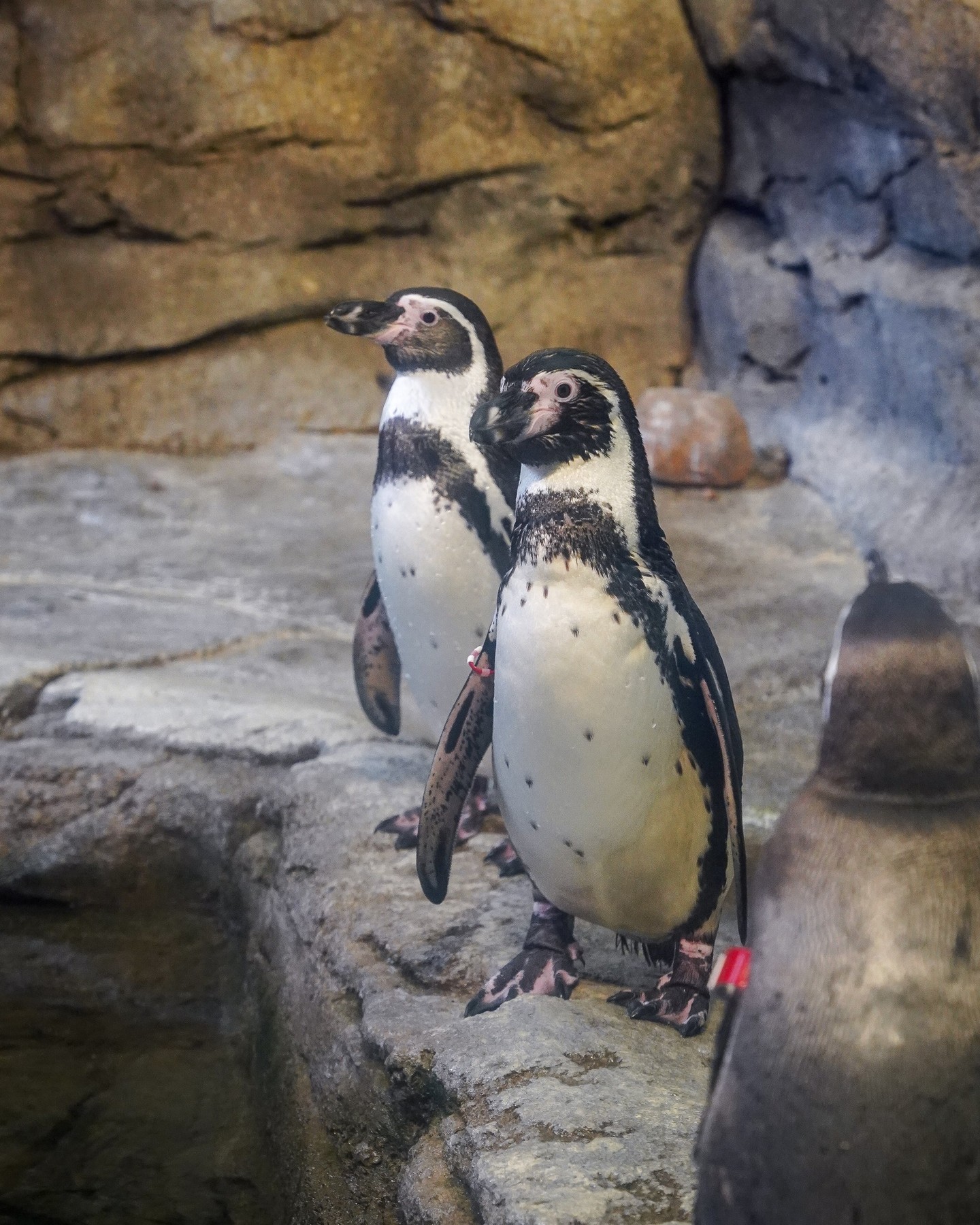
- The significance of Humboldt penguins in conservation efforts.
- The behavioral observations of Timmy and Jules at the aquarium.
- The role of zoos and aquariums in wildlife education and conservation.
- The implications of breeding programs for endangered species.
- Visitor engagement at aquariums and its impact on conservation awareness.
Timmy’s arrival in Western New York marks a pivotal moment in the story of Humboldt penguins, a species that symbolizes both the charm of marine life and the efforts to conserve it. Originally from South America, Humboldt penguins are classified as vulnerable due to habitat destruction and the effects of climate change on their natural ecosystems. This makes the conservation initiatives at places like the Aquarium of Niagara crucial for protecting these charming birds, which are distinguished by their black and white coloration and social behaviors.
At the Aquarium of Niagara, Timmy and Jules are part of a carefully structured breeding program aimed at fostering genetic diversity and sustainability among penguin populations. These structured efforts not only contribute to the survival of the species in controlled environments but also provide insights about their behavior and mating rituals. The ongoing bond between Timmy and Jules is particularly exciting for conservationists and visitors alike, as it hints at the success of these efforts.
Since Timmy’s introduction to Jules, staff have observed several encouraging behaviors indicative of a budding relationship. This includes preening—common among penguins and often a sign of affection—as well as playful interactions that engage both penguins physically and socially. These behaviors are vital as they lay the groundwork for mating, which is essential if the pair is to become a confirmed mated couple. Their separate wing bands—Jules with a pink and black band and Timmy with a red and white beaded band—serve as identifiers, reflecting the current status of their pairing.
Notably, if Timmy and Jules continue to develop their bond, they may receive matching bands. This will signal that they are a confirmed mated pair, an achievement that not only signifies successful breeding but also resonates with the aquarium’s broader mission to educate the public on conservation issues. Observations like these serve as practical indicators of the penguins’ emotional states and can inform future breeding decisions to promote genetic health among the population.
The role of zoos and aquariums extends well beyond mere exhibition. These facilities serve as educational platforms for the public to learn about the species they house and the environmental challenges these animals face. The explanatory signage around Penguin Coast helps visitors understand the specifics of Humboldt penguins—covering their habitats, diets, and social structures. This aspect of the aquarium is fundamental in fostering a connection between people and wildlife.
Through interactive programs, the aquarium cultivates a deeper understanding of marine ecosystems. Engaging with visitors through educational talks, behind-the-scenes tours, and hands-on encounters allows individuals to gain firsthand knowledge of conservation challenges. This direct engagement promotes awareness and often inspires action, encouraging individuals to adopt sustainable practices in their daily lives.
Humboldt penguins are just one piece in the larger puzzle of marine conservation. Breeding programs within controlled environments are meticulously monitored to maximize success. Wildlife in the wild faces threats like pollution, climate change, and habitat loss. By breeding endangered species like the Humboldt penguin in an aquarium setting, conservationists can counteract some of these pressures.
The focus on breeding these penguins forms part of a larger strategy employed by zoos and aquariums globally. Such programs have been instrumental in recovering several species from the brink of extinction. The success of the California condor and the Arabian oryx demonstrates how concerted efforts in controlled settings can yield positive outcomes for conservation.
Public interest in these fascinating creatures can drive the success of such programs. Regular visitors to the Aquarium of Niagara not only enjoy watching Timmy and Jules interact but also participate in sharing the story of their burgeoning friendship. Increased foot traffic to the aquarium translates to funding and resource allocation aimed at breeding and conservation initiatives.
The relationship between Timmy and Jules embodies more than just a romantic pairing; it serves as a living testament to the importance of conservation efforts. Their story provides valuable lessons on the species’ needs, reinforcing the need for habitat preservation and sustainable practices in daily life. The aquarium staff’s careful observation of their behaviors also serves to bolster best practices in animal care and management.
Creating a supportive environment for these animals requires a holistic approach. This encompasses nutrition, habitat design, enrichment activities, and social structures that mimic natural occurrences. By providing a space that promotes natural behaviors, aquariums can help ensure the well-being and health of their residents, increasing the likelihood of successful breeding and social bonding.
Visitors at the Aquarium of Niagara often find joy in events centered around Timmy and Jules, such as themed date nights. These events help to raise awareness of the challenges penguins face in the wild. By offering special programming, aquariums can attract more guests, allowing them to learn while enjoying a unique experience. This creates a cycle where education and entertainment enrich each other, fostering a deeper commitment to wildlife conservation.
Fostering such community engagement not only benefits the penguins but also encourages individuals to adopt sustainable practices beyond their visit. Awareness translates into action, inspiring guests to consider how their choices impact wildlife and the environment. Every effort, no matter how small, contributes to the conservation of species like the Humboldt penguin.
For those keen to witness the connection between Timmy and Jules, visiting the aquarium can be an enlightening experience. Their playful interactions and social behaviors draw attention and create opportunities for learning. Such encounters promote empathy towards wildlife and underline the urgent need for conservation.
Moreover, social media engagement has proven beneficial for spreading awareness about Humboldt penguins. Platforms showcasing Timmy and Jules’ story can inspire a broader audience and encourage contributions to conservation initiatives. Sharing moments of their development can capture the hearts and minds of followers around the globe. Documenting lives of individual animals promotes a deeper understanding of their experiences and challenges.
In fostering a relationship with the community, aquariums can inspire multisensory engagement. Innovative media campaigns, interactive exhibits, and educational outreach efforts can deepen the impact of their conservation message. Collaborations with schools and environmental organizations can expand the audience, reaching diverse demographics who share a passion for wildlife conservation.
Educational programs tailored for school groups can breed a sense of stewardship among younger generations. Engaging children in hands-on learning about marine life and conservation can spark a lifetime commitment to environmental responsibility. When children learn about the importance of biodiversity and the threats that animals like the Humboldt penguin face, they may grow into adults who advocate for sustainable practices.
As Timmy and Jules continue to grow their relationship, they provide a living example of the importance of conservation work. Their story captures the essence of what zoos and aquariums strive to achieve. By fostering love and companionship among these animals, staff members contribute to the continued existence of vulnerable species.
The narrative of Timmy and Jules serves as a platform to engage with broader conversations about habitat preservation, sustainability, and the urgent need to protect ecosystems globally. Their budding romance reflects the hope that conservation efforts can yield measurable results.
Thus, the tale of WNY’s sweetest love story on flippers invites all visitors to engage where conservation meets joyful experiences. Timmy and Jules are much more than a charming couple; they are ambassadors for an urgent cause that calls for collective action and awareness. By visiting the Aquarium of Niagara, each guest partakes in the essential mission to promote the connectivity between humans and wildlife, ensuring that stories like theirs continue to thrive in the years to come.
This sweet love story symbolizes the potential for change, illustrating how engaged communities can rally around conservation initiatives. Every observation contributes to knowledge, every visit fosters understanding, and every story told embodies the essence of our responsibility towards the natural world.
*****
Source Description
WNY’s sweetest love story has flippers.
Timmy, new to Western New York, was carefully introduced to Jules at @aqniagara as part of a conservation effort to protect Humboldt penguins. Over the past two months, the pair has shown signs of a hopeful bond.
Enjoy a date night at the aquarium and visit the duo at Penguin Coast. Jules wears a pink and black wing band, and Timmy sports a red and white beaded band. Fingers crossed their bond continues. If so, they’ll receive matching bands, a sign of a confirmed mated pair.
