
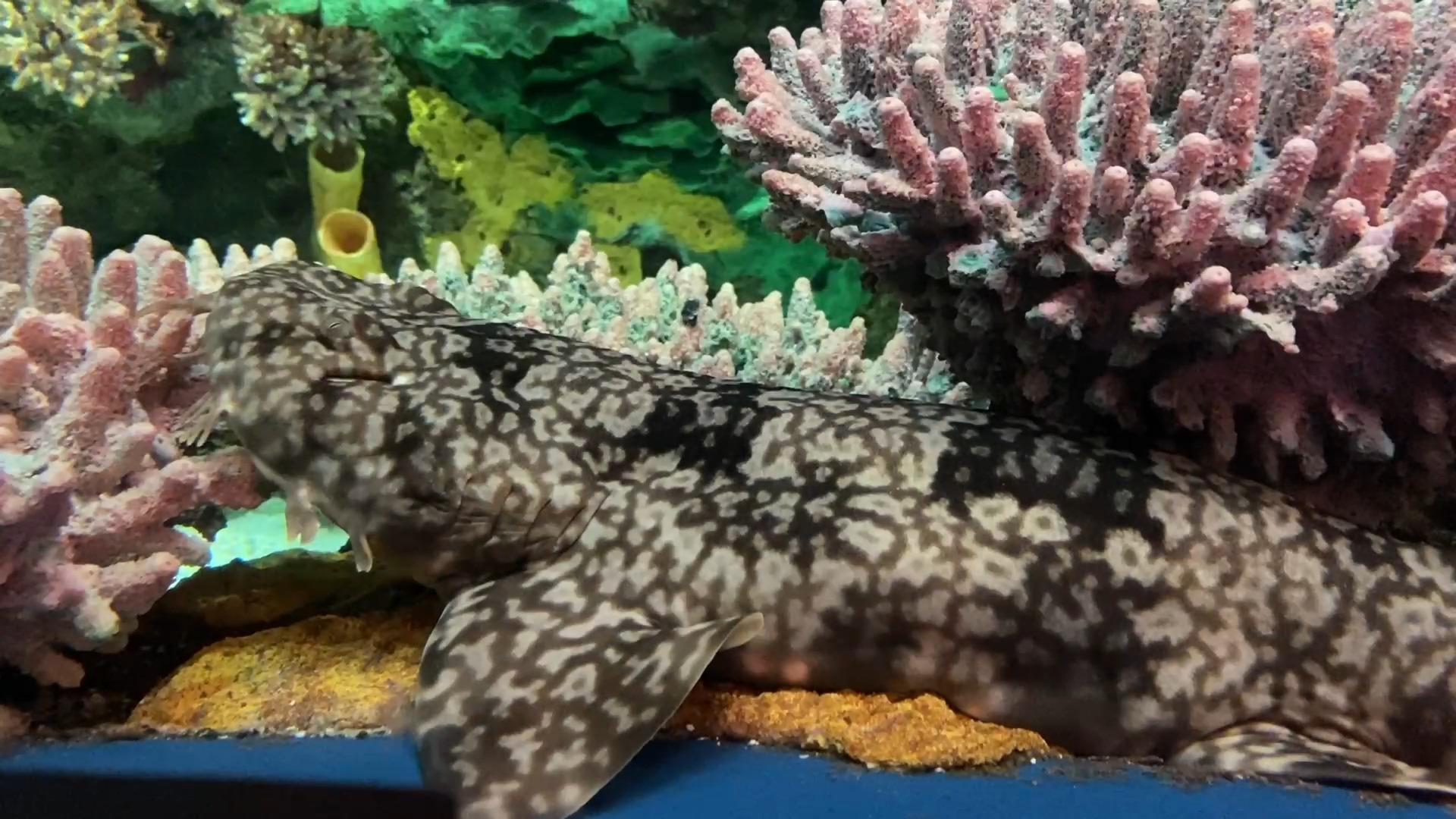
- Wobbegong shark anatomy and physiology
- Behavioral patterns and hunting techniques
- Habitat and distribution
- Conservation status and threats
- Research and the importance of understanding wobbegong sharks
Wobbegong sharks are fascinating marine creatures that have adapted uniquely to their environment. Their anatomy and physiology reflect a sophisticated evolution suitable for a bottom-dwelling lifestyle. Unlike many sharks that must swim continuously to breathe, wobbegongs possess the capability to pump water over their gills. This allows them to remain motionless on the ocean floor, conserving energy while also facilitating respiration. Their bodies are flat and elongated, which further aids in their camouflage among coastal reefs and rocky seafloors.
The coloration of wobbegongs plays a pivotal role in their hunting strategy. Their skin features intricate patterns resembling the substrate they inhabit, which can include sandy, rocky, or coral-covered areas. This camouflage is essential for their role as ambush predators. When it comes to their behavioral patterns, wobbegongs are nocturnal. They rest during daylight hours, favoring deeper waters away from bright sunlight. As night falls, they become active, lurking just below the surface, ready to strike unsuspecting prey. Their method of hunting often involves remaining motionless for extended durations, patiently awaiting the approach of fish or crustaceans, which they catch using a sudden burst of speed.
In terms of habitat and distribution, wobbegong sharks are primarily found in the Pacific and Indian Oceans, particularly off the coasts of Australia and New Guinea. These areas provide the rocky reefs and sandy bottoms that wobbegongs thrive in. Their presence is more commonly noted in shallow waters, where they can effectively blend into the environment. This geographical distribution makes them highly specialized for their local ecosystems.
Despite their intriguing adaptations, wobbegongs face challenges that threaten their survival. Overfishing, coastal development, and climate change all pose risks to their populations. Wobbegong sharks frequently become unintended victims in commercial and recreational fishing practices. Their bottom-dwelling nature makes them prone to bycatch, where they are trapped in nets meant for other species. Additionally, habitat destruction from human activities contributes to diminished food sources and breeding grounds.
Understanding the ecology and biology of wobbegong sharks is vital for promoting their conservation. Research plays a key role in educating communities about these sharks, helping to raise awareness regarding the threats they face. Several organizations and marine institutions are engaged in efforts to study their behaviors and reproduce effective conservation strategies. By fostering a deeper understanding of their roles in marine ecosystems, we can enhance efforts to protect these unique predators.
Expanding the knowledge on wobbegong shark anatomy reveals their unique features. They have a flattened body that allows them to remain inconspicuous while resting on the seafloor. Their large pectoral and dorsal fins provide stability and maneuverability while swimming. A notable aspect of their physiology is the presence of dermal lobes around their mouths, which increase surface area for sensation and enhance their ability to detect prey even in low visibility conditions. This anatomical adaptation gives wobbegongs an edge when hunting in murky waters or crevices where visibility is limited.
The behavioral patterns of wobbegongs are particularly interesting. Their nocturnal activity allows them to avoid many predators and exploit a different ecological niche. During the night, they are much more active and can often be observed engaging in hunting behaviors. They use a combination of lateral line perception and keen eyesight to detect vibrations and movements made by potential prey. Once a suitable target is identified, wobbegongs employ a sudden, rapid strike, utilizing their jaws lined with sharp teeth to secure their next meal.
When exploring their habitats, wobbegongs prefer coastal regions with ample cover from rocks, seaweed, and corals. These environments provide essential camouflage that helps them evade both predators and human observation. The diversity of their habitats contributes to their ability to occupy different ecological roles throughout their distribution areas. It is in these settings that wobbegongs may mate, breed, and rear their young, making healthy habitats crucial for their long-term survival.
The conservation status of wobbegong sharks varies by region, but overall, they are considered a species of concern due to their vulnerable population trends. Researchers identify various threats that contribute to their declining numbers. Overfishing continues to be one of the greatest risks, impacting not only their direct population but also the overall marine ecosystem balance. Bycatch through numerous fishing practices has a direct impact on their ability to thrive and reproduce.
Additionally, climate change presents challenges for wobbegongs, as shifts in ocean temperatures and acidity levels can alter their habitats and availability of prey. Coastal development, particularly in areas of high human activity, threatens their breeding grounds and critical habitats. Efforts to enforce marine protected areas that restrict fishing can create safe havens for these sharks, fostering population recovery and stability.
Knowledge sharing and community engagement are instrumental in wobbegong shark conservation. Educational programs aimed at local fishermen and coastal communities can help raise awareness about the importance of these species and their habitats. By promoting responsible fishing practices and habitat protection, communities can play a vital role in preserving wobbegongs and the ecosystems in which they inhabit.
Research continues to uncover essential data regarding the life cycle and interactions of wobbegong sharks within marine ecosystems. Understanding the mating behaviors, growth rates, and juvenile development stages can provide valuable insight into better management and conservation strategies. Researchers often observe how wobbegongs interact with other species, allowing for a comprehensive view of their ecological role.
Efforts are underway to implement effective conservation strategies, including monitoring populations and protecting critical habitats. These initiatives often involve collaboration between scientists, conservation organizations, and local communities. Knowledge gained from ongoing research efforts can inform policies aimed at sustaining not only wobbegong populations but also the overall health of marine ecosystems.
In summary, wobbegong sharks showcase fascinating biological and behavioral adaptations suited for their unique ecological niches. Their ability to rest motionless on the ocean floor is complemented by specialized anatomy that enhances their predatory abilities. However, they face numerous challenges that highlight the necessity for dedicated research and conservation efforts. By fostering public awareness and implementing effective management strategies, wobbegong sharks can continue to occupy their rightful place in marine biodiversity.
*****
Source Description
🤫Shh! This wobbegong shark is resting! Unlike some sharks that need to swim constantly to force water over their gills in order to breathe, wobbegongs can rest motionless on the ocean floor, as they are able to pump water over their gills. As nocturnal animals, they rest during the day and hunt at night. Wobbegongs are ambush predators using their flat shape and camouflage to enable them to remain almost invisible while they lie in wait for prey to swim past.
