
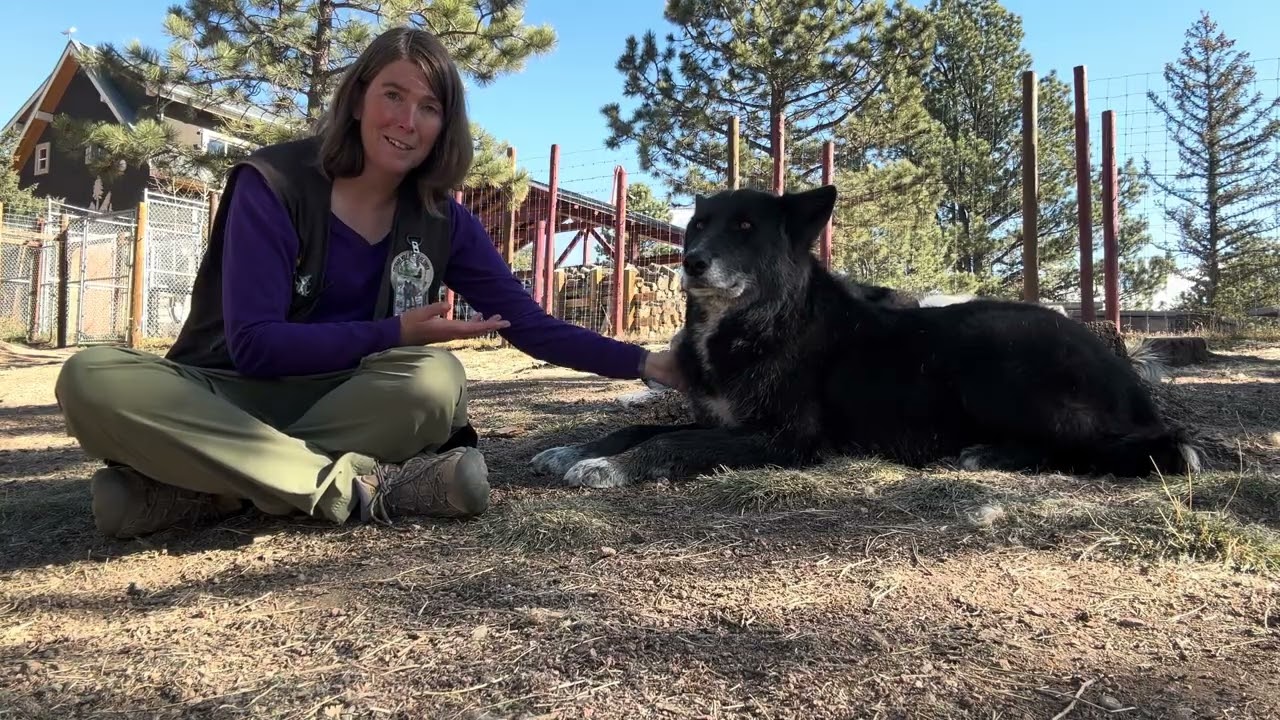
- The behavior and social dynamics of wolf packs, focusing on Keyni and Katniss.
- The importance of wildlife conservation and the role of educational programs like Wolf Talk.
- Effective zoo management practices that support the well-being of wolves.
- The significance of habitat preservation and its impact on wolf populations.
- Engaging public interest through zoology-based informational content.
Keyni and Katniss, two remarkable wolves, are at the center of the educational Wolf Talk event scheduled for 11/19/25. As significant members of the wolf pack at the educational facility, their stories offer insight into the fascinating world of wolves. In this in-depth exploration, we will delve into their behavior, the importance of their conservation, and the role of modern zoos in ensuring their survival.
Understanding the complex social dynamics of wolf packs is crucial for comprehending their behavior. Wolves live in tight-knit family units known as packs. Within these packs, hierarchical structures are established, led by an alpha pair. Keyni and Katniss play essential roles in their group’s dynamics, each contributing uniquely to the pack’s social fabric. Observing these interactions provides valuable insights into their communication, hunting cooperation, and territorial defense. These social behaviors are foundational to their survival and replication in natural habitats.
Conservation efforts are vital in preserving these majestic creatures. Wolves, once widespread across North America, face numerous challenges, including habitat loss and human-wildlife conflict. Educational events like Wolf Talk are instrumental in raising awareness about the plight of wolves. By engaging the public through interactive demonstrations and discussions, these programs illuminate the critical need for conservation strategies that support population stability and genetic diversity.
Zoo management professionals must prioritize the creation of environments that closely mimic the natural habitats of wolves. This involves thoughtful enclosure design, incorporating natural elements and providing sufficient space for wolves to exhibit natural behaviors. Regular health assessments and enrichment activities help maintain both physical and mental well-being, ensuring animals like Keyni and Katniss thrive in captivity. Moreover, collaboration with wildlife experts, conservationists, and researchers to implement breeding programs contributes to global conservation efforts.
Habitat preservation is another key factor in safeguarding wolf populations. Protecting large, contiguous areas of wilderness ensures that wolves have the vast expanses necessary for hunting and raising young. Effective land-use policies must balance ecological needs with human interests. Reforestation and corridor creation are practical approaches that facilitate movement between fragmented habitats, reducing the risk of inbreeding and increasing access to prey.
Generating public interest in zoological and conservation issues requires engaging and informative content. Programs like Wolf Talk leverage the charisma of wolves to captivate audiences and inspire action. By fostering a connection between humans and wolves, these initiatives encourage people to support conservation efforts, whether through advocacy, donations, or responsible wildlife tourism.
Keyni and Katniss serve as both educators and ambassadors for their species, highlighting the critical interplay between wildlife and humans. As we integrate knowledge about their behavior, conservation, and the management practices that support them, we contribute to a more sustainable future where wolves can thrive both in the wild and in managed settings. By embracing these insights, we take pivotal steps toward preserving the biodiversity that enriches our planet.
*****
Source Description
