
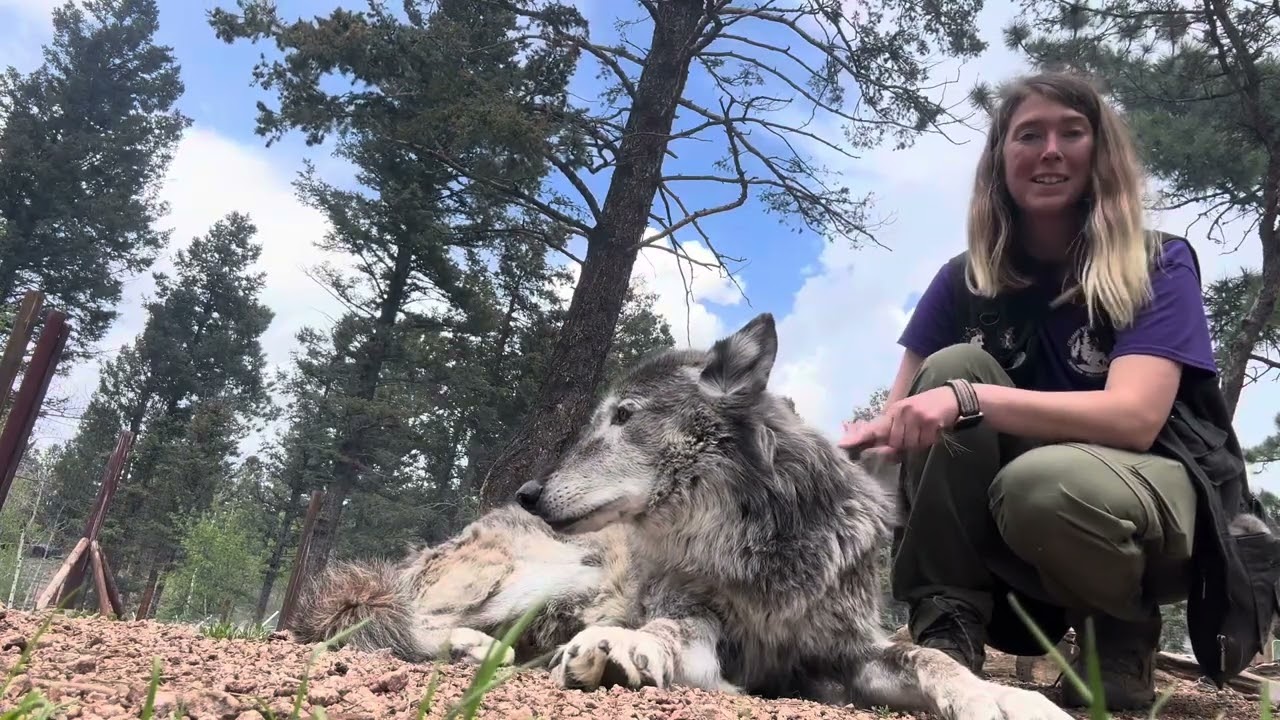
- Exploration of Wolf Behavior and Communication in the Wild and Captivity
- Challenges and Strategies in Wolf Conservation
- Role of Zoological Institutions in Preserving Wolf Populations
- Insights into Wolf Social Structures and Pack Dynamics
- Human-Wolf Interactions and Their Impact on Conservation Efforts
Wolf Talk – 6/4/25 provides an illuminating glance into the fascinating world of wolves and their significance within the ecological web. This piece endeavors to bridge knowledge gaps by dissecting wolf behavior, communication, conservation challenges, the role of zoological institutions, and the repercussions of human-wolf interactions. By examining these aspects, we gain insights essential for anyone passionate about wildlife conservation and zoology.
Wolves are remarkable creatures with a complex communication system that includes vocalizations, body language, and scent marking. These behaviors serve as tools for coordinating activities within their packs. Understanding wolf communication in the wild enables researchers to better interpret their needs and stressors, essential for effective management in captivity. In captivity, observing wolves provides valuable data on how they express themselves and interact with both their environment and humans. This information aids in designing enriched spaces within zoos that cater to wolves’ natural behaviors, critical for their psychological well-being.
Conservation strategies for wolves present myriad challenges, often rooted in human activities such as habitat destruction, hunting, and competition with livestock ranchers. Understanding these challenges is vital for developing solutions that balance human needs with wolf survival. Strategies such as habitat restoration and establishing wildlife corridors are necessary to maintain genetic diversity and ecological integrity. Furthermore, adjusting land use and policy regulations helps minimize conflicts between wolves and human interests. Such efforts require collaboration among ecologists, government bodies, and local communities dedicated to preserving wolf populations.
Zoological institutions play a significant role in wolf preservation by serving as centers for education, research, and breeding programs. Captive wolves contribute to public awareness about the importance of conserving their wild counterparts. Educational programs in zoos are instrumental in fostering a greater understanding of wolf ecology and the challenges they face. These facilities also participate in DNA research and breeding efforts aimed at reintroducing wolves into areas where populations have dwindled. Such initiatives are often collaborative, involving partnerships with governments and conservation organizations globally.
Wolf social structures are intricate, with hierarchy playing a pivotal role in pack dynamics. Dominance and submission manifest through interactions governed by specific roles within the pack. Alphas lead, providing guidance and making crucial decisions for their group. Understanding these dynamics is crucial for managing captive wolf packs, ensuring their social needs are met and reducing stress. In turn, this knowledge aids in conservation by informing how wolves might be reintegrated into the wild without disrupting local ecosystems.
Human-wolf interactions have long been contentious, shaping both conservation efforts and public perception. Negative encounters, often driven by fear or misinformation, lead to policies detrimental to wolves. Raising awareness and education about wolves’ ecological roles as apex predators is vital for altering perceptions. Positive interactions, on the other hand, foster coexistence strategies, demonstrating that humans and wolves can share habitats without conflict. Initiatives promoting livestock protection through non-lethal means are examples of how peaceful coexistence can be achieved. Successful human-wolf coexistence hinges on education, understanding, and respect for the roles both play in ecosystems.
Wolf talk is more than exploring a species; it’s about recognizing the intricate fibers that connect ecosystems and the broader implications for biodiversity. Through detailed understanding of wolves, their behaviors, and their ecological significance, we can envisage a future where they continue to thrive alongside humans, maintaining the balance crucial for healthy ecosystems.
*****
Source Description
