
-
Understanding the Role of Xander and Zowie in Wildlife Conservation
-
The Importance and Significance of World Camel Day
-
Zoological Management Practices for Camel Care
-
Insights into Behavioral and Biological Aspects of Camels
- Conservation Efforts and Strategies for Protecting Camel Species
World Camel Day celebrates an extraordinary species that has adapted to some of the harshest environments on Earth. This day provides an opportunity to spotlight the dedicated conservation efforts of animals like Xander and Zowie, two fascinating camels making an impact. Understanding their role brings insights into broader conservation initiatives and highlights the intricate work involved in preserving camel species.
Understanding the Role of Xander and Zowie in Wildlife Conservation
Xander and Zowie serve as ambassadors for their species, residing in a well-managed zoological setting that focuses on conservation, education, and public engagement. Their presence highlights the importance of camels not just as peculiar inhabitants of arid regions but as crucial players in environmental equilibrium. By showcasing these amazing creatures, zoos aim to raise awareness about the ecological challenges camels face and foster a sense of responsibility toward the planet’s biodiversity.
Zoos today function far beyond keeping animals for public display. They have become vital centers for conservation activities, genetic studies, and educational outreach. Xander and Zowie contribute to research that gathers data on breeding patterns, health indices, and genetic diversity, aiding in the formulation of strategies designed to preserve their species.
The Importance and Significance of World Camel Day
World Camel Day serves as a reminder of the cultural and ecological significance of camels. These adaptable creatures have supported human civilizations for centuries, providing transportation, milk, and meat in many communities. Camels are intrinsic to desert ecology, acting as critical components in nutrient cycling and supporting various plant and animal species.
The annual observation aims to shed light on the threats these animals face, including habitat loss, climate change, and over-exploitation. By educating the public about the unsustainable practices threatening camel populations, World Camel Day encourages a global dialogue on sustainable preservation, urging cooperation among nations, researchers, and conservationists.
Zoological Management Practices for Camel Care
Effective zoo management is fundamental to ensuring well-being and longevity for animals like Xander and Zowie. Camels require specific dietary, environmental, and medical care to thrive in captivity. Their diet typically consists of hay complemented by specific grains or pellets that mimic natural feeding habits. Careful attention is given to their hydration needs, as camels are uniquely equipped to store fat and water but still require access to fresh water.
Environmental enrichment programs are crucial to provide mental stimulation and physical activity. Camels engage with interactive elements like sand pits and varied terrains that replicate their natural habitats. Veterinary care includes routine health checks, vaccinations, and monitoring for common ailments. Zoological staff are trained to understand camel behavior, facilitating a harmonious and stress-free environment for these majestic creatures.
Insights into Behavioral and Biological Aspects of Camels
Camels are known for their complex social structures, often forming groups led by a dominant male. Understanding their behavior requires observing these social interactions and their responses to environmental changes. This knowledge is vital in creating effective conservation strategies and fostering environments that cater to their needs.
Biologically, camels are marvels of adaptation. Their unique physiological features—such as the ability to withstand extreme temperatures and conserve water—are subjects of scientific studies aiming to unlock potential benefits for other fields, including medicine and agriculture. Exploring these adaptive traits offers invaluable insights into resilience and survival in challenging conditions.
Conservation Efforts and Strategies for Protecting Camel Species
Current conservation efforts focus on habitat protection, anti-poaching initiatives, and sustainable pastoral practices. Collaboration with local communities is key to promoting coexistence between human populations and wildlife. Conservationists work to secure protected areas that safeguard the natural environments of camels while promoting practices that minimize human-wildlife conflict.
Captive breeding programs, supported by institutions housing animals like Xander and Zowie, contribute to genetic preservation. These programs aim to increase population numbers and maintain genetic diversity, essential for the long-term health of camel species. Public education campaigns further enhance these efforts by building a comprehensive understanding of the challenges camels face and creating advocates for their protection.
As we celebrate these remarkable creatures on World Camel Day, their conservation reminds us of our collective responsibility to protect earth’s biodiversity. By focusing on the contributions of Xander, Zowie, and their fellow camels, we can inspire ongoing efforts to preserve the intricate balance of nature for future generations.
*****
Source Description
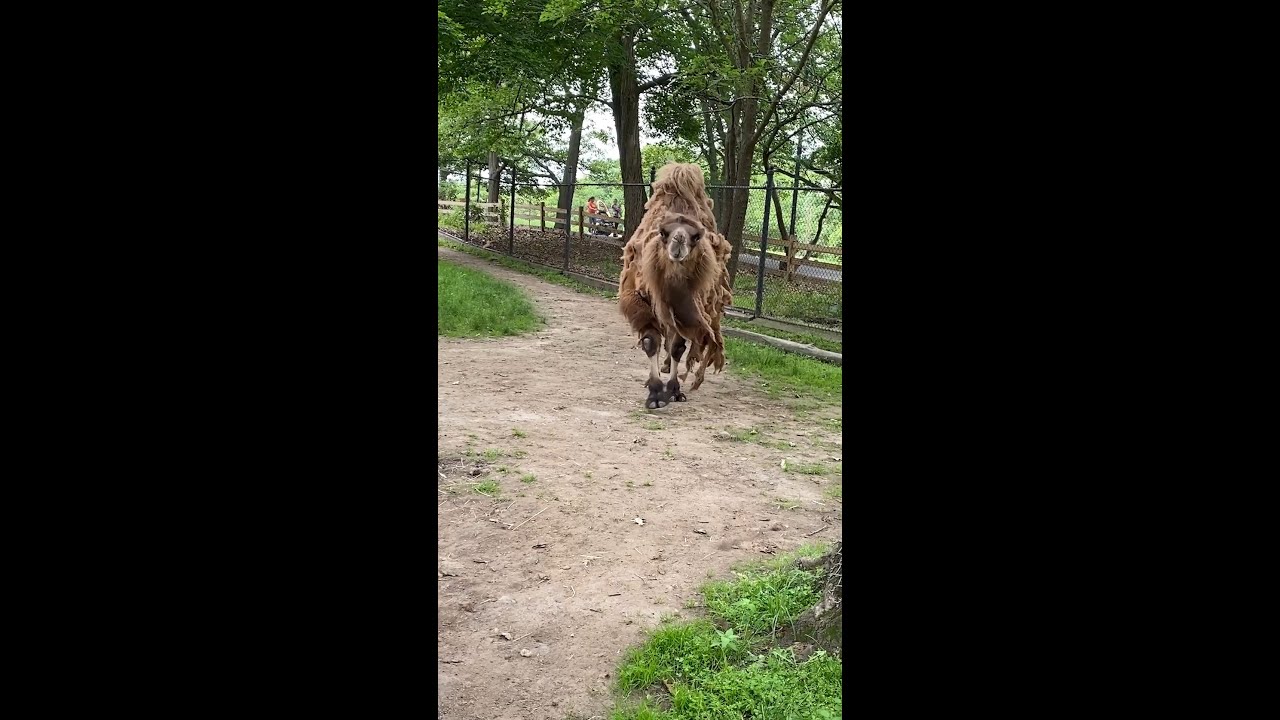
Well now, that’s a “look” for World Camel Day. Xander and Zowie are in the thick of shedding season! 🐫 Every spring their woolly winter coats come off in chunks so they can stay nice and cool during the summer.
Alexander Camelton is well on his way, though Zowie has more shedding to go.
