
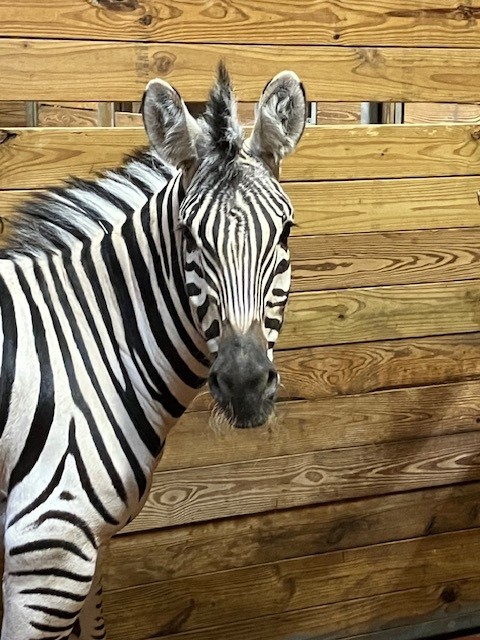
Summary of ZOO ATLANTA WELCOMES NEIGHOMI THE ZEBRA AND OLIVE THE OSTRICH:
Zoo Atlanta recently welcomed two new animals to its African Savanna habitat: Neighomi, a 2-year-old female plains zebra, and Olive, an 11-month-old female ostrich. Neighomi, coming from Wildlife Safari in Oregon, was brought in as a social partner for the other zebras in the zoo, while Olive joins to socialize with another female ostrich already there. Animal introductions are gradual to ensure comfort. The African Savanna features upgraded habitats and is part of Zoo Atlanta’s significant transformation which includes newly renovated spaces for lions and rhinos. Updates on when the public can meet these new arrivals will be shared on Zoo Atlanta’s website.
- Understanding Neighomi the Zebra and Olive the Ostrich’s backgrounds and their significance at Zoo Atlanta.
- The ecological importance of mixed-species habitats in modern zoos.
- The role of the Association of Zoos and Aquariums (AZA) in species conservation.
- Insights into the contemporary design and transformation of Zoo Atlanta’s African Savanna.
- The overall impact of wildlife conservation education on zoo visitors.
Neighomi, a two-year-old female plains zebra, and Olive, an eleven-month-old female ostrich, are the latest additions to Zoo Atlanta’s African Savanna. Neighomi comes from Wildlife Safari in Winston, Oregon, while Olive arrives from the Georgia Ostrich Farm. Their arrival is not just about the excitement of new animals; it represents a significant step in Zoo Atlanta’s commitment to enhancing its animal collection and promoting species conservation.
Neighomi’s integration into Zoo Atlanta was guided by recommendations from the Association of Zoos and Aquariums (AZA) Species Survival Plan® (SSP). These plans are designed to maintain genetic diversity in captive animal populations. They play a critical role in the conservation of species that are often threatened in their natural habitats. In Neighomi’s case, she has been identified as a social partner for two other zebras already residing at the zoo, Wembe and Imara. Zebras, being highly social animals, thrive in groups, making their social structure a vital consideration in their management.
Olive, on the other hand, will serve as a companion to Purple, the current female ostrich at Zoo Atlanta. Ostriches exhibit unique social behaviors, and having Olive join the community enhances the wellbeing of the existing inhabitants. The importance of social interactions in wildlife is well documented; many species experience psychological stress without appropriate social partners. Thus, both animals represent broader themes in conserving social species, which underscores the value of interspecies relationships.
The significance of mixed-species habitats cannot be overstated. These environments allow multiple species to coexist, which mimics their natural settings and promotes healthier behaviors. For example, mixed-species habitats can enhance foraging strategies, reduce aggression among species, and encourage naturalistic behaviors often absent in single-species enclosures. This innovative approach aligns with modern zoo practices that aim to prioritize not only the physical but also the mental wellbeing of animals.
Zoo Atlanta’s African Savanna is designed to provide an immersive experience, and the introduction of Neighomi and Olive contributes to this environment. The complex features a variety of African wildlife, including giraffes, lions, and rhinos, creating an educational experience for visitors. This array of species allows the zoo to illustrate the interdependence of ecosystems, highlighting the intricate relationships found in nature.
The transformation of the African Savanna at Zoo Atlanta is indeed remarkable. In recent years, several habitats have been renovated or redesigned, signifying the zoo’s commitment to creating the best possible environments for its animals. The new African lion complex is a prime example of this, offering spacious areas that mimic the lions’ natural habitat. Furthermore, the Delta Air Lines Rhino Habitat has been updated to accommodate the needs of southern white rhinos, focusing on both aesthetics and functionality. These designs reflect modern standards in animal care and habitat composition.
The evolution of Zoo Atlanta speaks to a larger trend in the zoo community: a movement away from traditional enclosures and toward more dynamic, naturalistic habitats. The design strategies employed here emphasize species-specific needs and encourage visitor engagement through educational programming. Encouraging visitors to understand the roles these animals play in their ecosystems fosters a sense of urgency about wildlife conservation.
The role of the AZA in recommending these transfers and facilitating the introduction of Neighomi and Olive is key to the ongoing conservation efforts across the nation. The AZA works with accredited institutions to develop SSPs that help manage animal populations in zoos. Such initiatives ensure that species like the plains zebra are preserved for future generations. Collaborative efforts also include breeding programs, educational outreach, and conservation projects that address habitat loss and other pressing environmental concerns.
Conservation goes hand in hand with education, another core mission of zoos like Zoo Atlanta. By presenting animals in settings that resemble their native environments, zoos provide visitors with opportunities to learn about the intricacies of ecosystems. Programs that highlight challenges such as poaching, habitat destruction, and climate change can incite passion within the public, encouraging visitors to take action within their communities.
The addition of Neighomi and Olive enriches not only the animal population but also the educational narratives presented at Zoo Atlanta. Visitors will have the chance to understand the adaptations and behaviors specific to zebras and ostriches. For example, zebras communicate through various vocalizations and body language, and their social structures are often based on familial ties. Meanwhile, ostriches are known for their powerful legs and impressive speed, which they use to evade predators. Knowledge of these behaviors enhances visitor understanding and appreciation for wildlife.
As with any new arrivals, Neighomi and Olive are currently not on display. Their introductions to the existing zoo population are ongoing and will take time. This careful approach is essential for ensuring that both animals acclimate comfortably to their new surroundings. By respecting individual comfort levels, animal care staff facilitate smoother transitions for Neighomi and Olive, thereby prioritizing their welfare.
In planning a visit to Zoo Atlanta to see Neighomi and Olive, guests can anticipate engaging encounters with these extraordinary creatures. The zoo’s commitment to conservation extends beyond their animal residents, as they provide families with opportunities for hands-on learning through various exhibits and programs. Whether it’s through guided tours, interactive displays, or educational talks, each visit enhances the understanding of wildlife conservation’s significance.
As Zoo Atlanta continues to develop its African Savanna, the implications are far-reaching. By prioritizing animal welfare and the authentic representation of species, the institution is setting the standard for animal care. Neighomi and Olive’s arrival marks a renewed commitment to the conservation of species that face increasing threats in the wild. Both animals are a reminder of the interconnectedness of wildlife and the ecosystems they inhabit.
With ongoing updates through their website, Zoo Atlanta aims to keep its audience informed about when Neighomi and Olive will be visible to guests. This engagement calms visitor expectations while drawing attention to the vital conservation role that zoos play today.
In sum, the addition of Neighomi the Zebra and Olive the Ostrich to Zoo Atlanta’s African Savanna is a noteworthy advancement in the zoo’s mission. Their presence enhances the diverse animal population and promotes strong social structures in animals. Both individuals represent critical elements of modern zoo practices that emphasize animal welfare, visitor education, and conservation engagement. The transformation of the African Savanna not only beautifies the landscape but also serves as a living classroom for all who enter.
Zoo Atlanta stands as a beacon of hope for wildlife conservation, and with the introduction of Neighomi and Olive, it deepens its commitment to protecting and educating about the incredible diversity of life on our planet. As we learn more about their journeys, visitors can partake in enriching experiences that foster a broader understanding of these remarkable species and their conservation.
