
Summary of What’s growing in Cincinnati Zoo’s new Bear Ridge?:
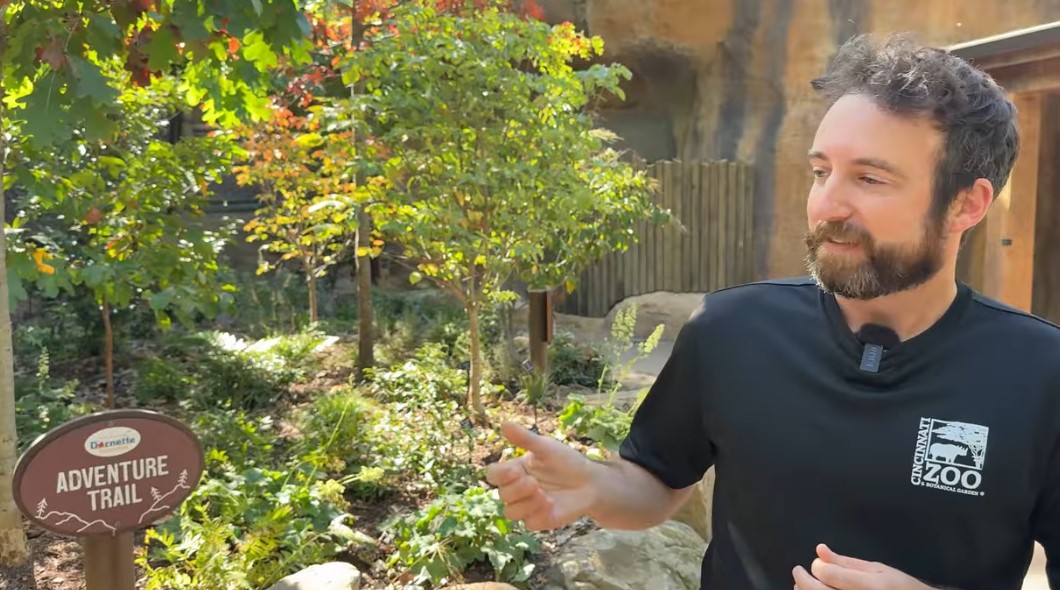
Bear Ridge features two main botanical zones: the Adventure Trail and the bear habitat. The Adventure Trail offers an immersive experience, showcasing a micro-forest with 30 trees and 40 shrubs, including various native species like oaks and sugar maple, along with ferns and wildflowers. The bear habitat resembles a natural glade, populated with birch, pine, and shrubs, supporting around 700 native grasses and herbs. A plant guide is available for more details.
- Cincinnati Zoo’s Bear Ridge features two primary botanical zones: the Adventure Trail and the bear habitat.
- The Adventure Trail provides an immersive experience showcasing a dense micro-forest of native plant species.
- The bear habitat incorporates both native plants and a variety of grass species to create an engaging ecosystem.
- Fostering biodiversity through regional native plantings supports wildlife conservation efforts.
- The integration of educational resources enhances public understanding of the importance of ecological stewardship.
Cincinnati Zoo’s Bear Ridge presents a fascinating exploration of the interrelation between botany and wildlife conservation. The design of Bear Ridge includes two key botanical zones— the Adventure Trail and the bear habitat, both of which amplify the zoo’s mission of educating the public about wildlife and their ecosystems. This new area at the zoo does not merely display animals; it engages visitors in a dialogue about the necessity of preserving both flora and fauna.
The Adventure Trail stands as an immersive botanical experience that invites guests to step into the environment rather than merely observe it from a distance. It has been carefully crafted to mimic a micro-forest ecosystem, encompassing approximately six parking spaces in size. This loop showcases a diverse assembly of plant species, featuring 30 trees, 40 shrubs, and a layered groundcover composed of ferns, grasses, sedges, wildflowers, and spring ephemerals. The canopy consists of various oak species—scarlet, white, and chinkapin—alongside sugar maple, sassafras, holly, sourwood, fringetree, and bigleaf magnolia.
In this carefully constructed habitat, visitors will also discover underplanted species like dog hobble, strawberry bush, wintergreen, false aloe, and Virginia bluebells. Such variety promotes an understanding of local biodiversity, which is critical for maintaining the resilience of ecosystems. The Adventure Trail reinforces the idea that forests are complex networks, rich with life. Engaging with the trail allows for the observation of how these intricate relationships function, from the role of tree canopy in capturing sunlight to the essential contributions of understory plants in supporting both wildlife and soil health.
Transitioning from the Adventure Trail to the bear habitat, we encounter an equally fascinating display of both plant life and animal interaction. This habitat seamlessly flows from the upper woodland area, embodying the feel of a natural glade. Here, a mixture of shrubs and trees—such as birch, loblolly pine, spicebush, flowering raspberry, and meadowsweet—coexists, providing cover and sustenance for wildlife. The botanical choices are not arbitrary; they have been selected for their natural affiliation with Cincinnati’s ecosystems, thus enhancing the area’s ecological integrity.
A significant aspect of the bear habitat lies in its lower design, which features a matrix of 700 mixed native grasses and sedges. These grasses are interplanted with mountain mint and beebalm, both of which serve as vital components for local pollinators. The deliberate choice of these plants accentuates the essential role that native flora plays in sustaining local wildlife populations, including bird species attracted to native seeds and pollinators benefiting from the nectar of wildflowers. This interconnected landscape fosters an environment where bears can interact with a more natural setting, encouraging natural behaviors and improving their quality of life.
The diversity of plantings in both the Adventure Trail and bear habitat showcases the region’s native species, thereby supporting the larger mission of wildlife conservation. By nurturing native landscapes, the zoo not only enhances the aesthetic appeal of the area, but also contributes to habitat protection and restoration efforts. This is particularly significant given the relentless pressures from urbanization and climate change that threaten local biodiversity.
It is essential to understand that each plant species has a role in supporting various forms of wildlife. For instance, the flowering raspberry may provide fruit that sustains bears and other mammals, while the array of native grasses can serve as cover for nesting birds and small mammals. Such interdependencies highlight the importance of preserving natural habitats and the various species that inhabit them.
For educators and the general public alike, the integration of educational resources, such as the Bear Ridge plant guide, enhances visitors’ knowledge of the significant interconnections between native plants and wildlife. This has dual benefits: it offers practical information about the plants seen in the zoo and deepens understanding of their importance in broader ecological contexts. By learning how to identify these plants and understand their ecological value, visitors potentially become advocates for conservation efforts in their own communities.
Incorporating narratives of native species into the larger story at Bear Ridge allows Cincinnati Zoo to reinforce the message that wildlife conservation hinges on protecting natural ecosystems. As visitors absorb this knowledge, they become more equipped to engage in thoughtful discussions about environmental stewardship. The educational aspects of the bear habitat align closely with the zoo’s mission to inspire and empower communities to take actionable steps toward protecting wildlife and natural habitats.
As Cincinnati Zoo continues to develop areas like Bear Ridge, it exemplifies a critical understanding of zoo management and conservation philosophies. Instead of merely showcasing animals within confined spaces, the zoo curates environments that mimic natural habitats. This approach serves both the animals’ welfare and the educational mission of the facility, ensuring that wildlife can express natural behaviors in settings that reflect their ecological backgrounds.
Cincinnati Zoo’s commitment to incorporating native botanical zones in Bear Ridge serves multiple purposes—increasing biodiversity, enhancing guest experience, and advancing conservation education. As both an amusement and educational destination, Bear Ridge exemplifies how zoos can serve as platforms for broader ecological discussions. By inviting the public into immersive outdoor settings, the zoo creates avenues for connection with nature—a vital component for cultivating environmental advocacy.
Ultimately, the design and implementation of Bear Ridge highlight the importance of a holistic approach to zoo management that places equal emphasis on animal welfare and ecological integrity. This model can serve as a benchmark for other facilities seeking to modernize their exhibits and incorporate educational elements that promote awareness of conservation issues. By leading with innovative practices and educational outreach, Cincinnati Zoo illustrates a roadmap for engaging the public in the shared responsibility of preserving wildlife and their habitats.
As visitors stroll through the Adventure Trail or observe bears in their improved habitat, they engage with a dynamic ecosystem. This interaction fosters a greater appreciation not only for the animals but also for the intricate living tapestry of plants that sustain them. In doing so, Cincinnati Zoo’s Bear Ridge reinforces the vital message that in protecting native ecosystems, we also safeguard the future of wildlife.
