
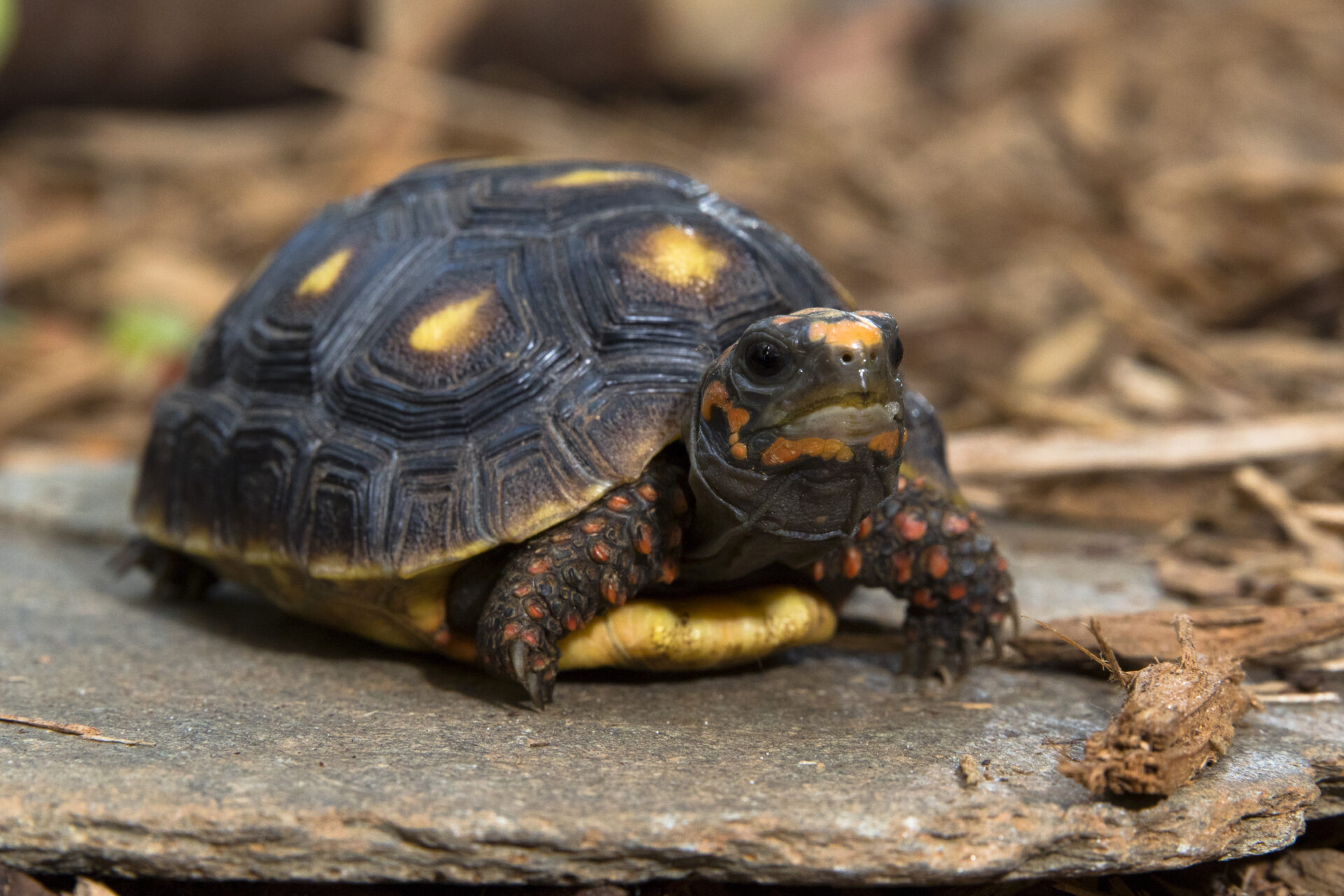
Summary of ZOO ATLANTA IS ONE OF THE NEWEST MEMBERS OF THE WILDLIFE CONFISCATIONS NETWORK:
Zoo Atlanta, on July 24, 2025, announced its membership in the Wildlife Confiscations Network, a pioneering initiative aimed at tackling wildlife trafficking—a major illegal trade alongside drug and human trafficking. This program, under the Wildlife Trafficking Alliance, focuses on improving care for confiscated wildlife and provides enhanced support to law enforcement.
Dr. Gina Ferrie from Zoo Atlanta highlighted that this membership will boost collaborations with other agencies, ensuring better care for seized animals. Wildlife trafficking poses a significant risk to numerous species, many of which face extinction due to illegal trade practices.
The Network unites various institutions to uphold high standards of care for confiscated wildlife, demanding that participant facilities meet stringent criteria. By joining, Zoo Atlanta aims to raise awareness and encourage public action against wildlife trafficking, urging individuals to consider their purchasing decisions and online behaviors concerning wildlife products. More information on advocacy can be found at AZA’s NotAPet.net.
- Zoo Atlanta’s recent membership in the Wildlife Confiscations Network
- The impact of wildlife trafficking on global biodiversity
- The operational framework of the Wildlife Confiscations Network
- The importance of proper care for confiscated wildlife
- How individuals can contribute to wildlife conservation efforts
Zoo Atlanta has taken a significant step by joining the Wildlife Confiscations Network, recognized for its commitment to wildlife conservation. This initiative, spearheaded by the Wildlife Trafficking Alliance—under the auspices of the Association of Zoos and Aquariums (AZA)—aims to tackle wildlife trafficking, one of the most detrimental illegal trades globally. Spanning billions of dollars, wildlife trafficking ranks alongside drug trade, human trafficking, and arms smuggling. By providing a coordinated care system for seized wildlife, this network addresses a pressing crisis in conservation.
Wildlife trafficking fundamentally threatens the survival of numerous species. The ramifications are severe, as illegal harvest and trade push countless animal and plant species toward extinction. The continuous demand for exotic pets and products made from endangered species exacerbates the issue. As these species dwindle, ecosystems can falter, losing biodiversity and ultimately failing to provide essential services like clean air and water, affecting human populations as well.
The events leading to the confiscation of live animals often involve extensive suffering. Wildlife frequently falls victim to brutal capture methods and inhumane transport conditions. The Wildlife Confiscations Network aims to mitigate this suffering by employing facilities like Zoo Atlanta, which have passed a stringent vetting process ensuring they can meet the care expectations set by the U.S. Fish and Wildlife Service. These standards encompass a range of factors, from animal health and housing to behavioral needs.
Zoo Atlanta’s role in the Wildlife Confiscations Network is multifaceted. By accepting this membership, the zoo gains the ability to provide critical support during individual cases of wildlife confiscation. It also allows Zoo Atlanta to interact more effectively with enforcement agencies and conservation organizations, creating a stronger network for rehabilitating and safeguarding seized animals. The engagement of experts in animal care, veterinary services, and behavioral enrichment can significantly improve the outcomes for these vulnerable creatures.
In addition to operational expertise, Zoo Atlanta can leverage its platform to inform audiences about the role they can play in conservation. Awareness is fundamental in decreasing wildlife trafficking. Educating the public about the ethical implications of purchasing exotic pets or products derived from endangered species can lead to more conscientious consumer choices. By sharing this information, the zoo empowers visitors to make informed decisions, whether they are considering pet ownership or interacting with social media content that may inadvertently promote wildlife trafficking.
The Wildlife Confiscations Network is established not just to manage the welfare of confiscated animals but to create a collaborative environment among various stakeholders, including zoos, aquariums, universities, and non-government organizations. This coalition fosters a systemic approach to wildlife care and allows participants to share resources, knowledge, and best practices. Such cooperative efforts enhance the management of confiscated wildlife, establishing higher standards for animal welfare.
As illegal wildlife traffic poses complex challenges, collaboration can yield better strategies for enforcement and rehabilitation. For example, when animals are brought to U.S. ports and must be assessed for health and well-being, facilities affiliated with the network can quickly activate resources. This empowerment is critical—because the sooner animals receive care, the higher their chances of survival and eventual rehabilitation.
Moreover, facilities like Zoo Atlanta can host educational programs aimed at public engagement and awareness. By showcasing the consequences of wildlife trafficking and promoting sustainable practices, such programs can inspire positive behavior change. The zoo’s participation in initiatives such as AZA’s NotAPet.net informs visitors about alternatives to owning exotic animals as pets and encourages advocacy against wildlife trafficking.
The role of public engagement cannot be overstated. Awareness and education are essential components of wildlife conservation, offering the tools people need to contribute positively. Simple actions, like choosing not to buy products made from endangered species, can collectively make a difference. Promoting responsible pet ownership and discouraging impulsive purchases of exotic animals can reduce the demand that fuels wildlife trafficking.
Additionally, social media has a powerful impact on wildlife conservation. Many individuals unwittingly support the wildlife trade by sharing content featuring exotic animals. Raising awareness about the implications of such posts can encourage more responsible sharing and reduce the visibility of wildlife trade. By fostering a critical understanding of social media’s role in perpetuating wildlife trafficking, education initiatives can further dissuade individuals from engaging in harmful behaviors.
As Zoo Atlanta proves its capacity to support and implement high standards of animal care through its involvement in the Wildlife Confiscations Network, other facilities are encouraged to follow suit. This collective drive not only strengthens individual organizations but also unites them in the quest for a more ethical approach to wildlife management.
The importance of participating in the Wildlife Confiscations Network extends beyond immediate care and outreach. By collaborating with law enforcement, conservation groups, and educational institutions, the network reinforces accountability and advocacy efforts around wildlife trafficking. This coalition aims to develop best practices for care and intervention that can be replicated across various jurisdictions.
Zoo Atlanta’s participation in this initiative is also a powerful message to the public and professionals alike. It signals a commitment to not only animal welfare and conservation, but also a dedication to the broader mission of preserving biodiversity. As more zoos and aquariums join this network, it will amplify the voice of conservationists and heighten awareness of the urgency surrounding wildlife trafficking.
For those looking to make a difference, the message is clear: engagement in wildlife conservation is a shared responsibility. Organizations like Zoo Atlanta, through their partnership in the Wildlife Confiscations Network, exemplify how collective action and public awareness can drive positive change. From local initiatives to global efforts, individuals can contribute to a more sustainable future by remaining informed and attentive to their choices.
In addressing the multifaceted issues linked to wildlife trafficking, Zoo Atlanta emerges as a pivotal player. By joining the Wildlife Confiscations Network, it has positioned itself not only to help in the immediate care of confiscated wildlife but also to engage the public in meaningful conservation efforts. Together, as communities come together to combat wildlife trafficking, the potential for change expands exponentially. The partnership of education, advocacy, and action can lead to a brighter future for both wildlife and the ecosystems they inhabit.
