
-
Anatomy and Adaptations of Sharks: Understanding how their unique adaptations enable survival in diverse marine environments.
-
Importance in Marine Ecosystems: Exploring the ecological roles sharks play and their impact on oceanic health.
-
Conservation Challenges and Strategies: Discussing the threats sharks face and efforts to preserve their populations.
-
Common Misconceptions and Human Interactions: Clarifying myths and examining the dynamics between sharks and people.
-
Shark Species Diversity: Highlighting the wide variety of shark species and their distinct characteristics.
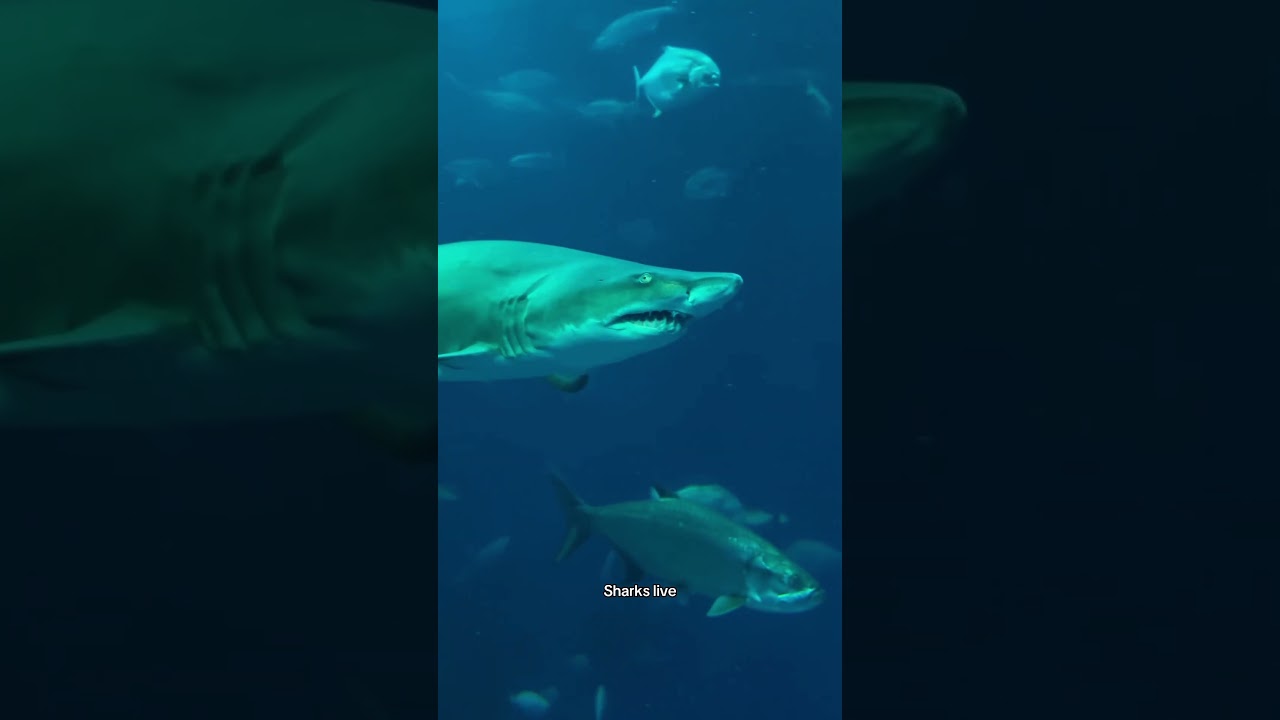
Sharks, with their predatory prowess and streamlined elegance, hold a captivating allure for ocean enthusiasts and scientists alike. As apex predators, they possess a suite of adaptations that enable their success in varied marine settings. Central to their survival is their cartilage-based skeleton, which is lighter than bone, facilitating swift movement. Species like the great white utilize a countercurrent heat exchange system, allowing them to maintain body temperatures above that of surrounding waters. This physiological knack aids in hunting efficiency, positioning them among the ocean’s most formidable predators.
Sharks’ specialized sensory organs contribute significantly to their hunting abilities. The ampullae of Lorenzini, tiny pores near the snout, detect electromagnetic fields generated by potential prey. Coupled with acute hearing and a keen sense of smell, these adaptations make sharks unparalleled hunters.
Functioning as pivotal members of marine ecosystems, sharks regulate the populations of species below them in the food chain. By removing the weak and sick, they maintain prey species’ health and genetic fitness. This top-down control helps maintain the balance necessary for healthy oceanic environments.
Sharks also contribute to the sequestration of carbon by influencing carbon cycle dynamics. Predation pressures on herbivorous fish populations help coral reefs thrive, which in turn, facilitates carbon storage. Hence, healthy shark populations are linked intricately to atmospheric carbon levels.
Despite their ecological importance, sharks face numerous threats. Overfishing, driven by demand for fin products, significantly depletes populations. Each year, millions of sharks are caught, disrupting their slow reproductive cycles. Habitat destruction and climate change further complicate conservation efforts, altering marine environments faster than many species can adapt.
Addressing these threats involves multipronged conservation strategies. Marine protected areas (MPAs) offer safe havens, while international treaties and regulations aim to curb illegal trading. Public education campaigns focus on changing perceptions and reducing demand for shark products. Conservationists emphasize local community involvement, ensuring coexistence with these essential predators.
Public perception of sharks is often skewed by misconceptions. Movies and media frequently portray them as mindless killers, though incidents with humans are relatively rare. In reality, sharks are more likely to avoid humans than confront them. Effective education and outreach efforts aim to reshape these perceptions, showcasing sharks as crucially endangered species rather than imminent threats.
Diverse in form, habitat, and behavior, sharks boast over 500 species. From the massive, plankton-feeding whale shark to the small, deep-water-dwelling lanternshark, they embody a vast range of ecological roles. Each species exhibits adaptations that align with its specific lifestyle. The hammerhead’s unique head shape, for instance, provides enhanced sensory capabilities and maneuverability.
Sharks embody a blend of evolutionary success and ecological significance. As guardians of marine ecosystems, they ensure the vitality of ocean environments. The cultural and scientific recognition of their value continues to grow, inspiring a commitment to their protection and preservation. Understanding the true nature and importance of sharks can lead to informed decisions that balance human needs with ecological stewardship.
*****
Source Description
