
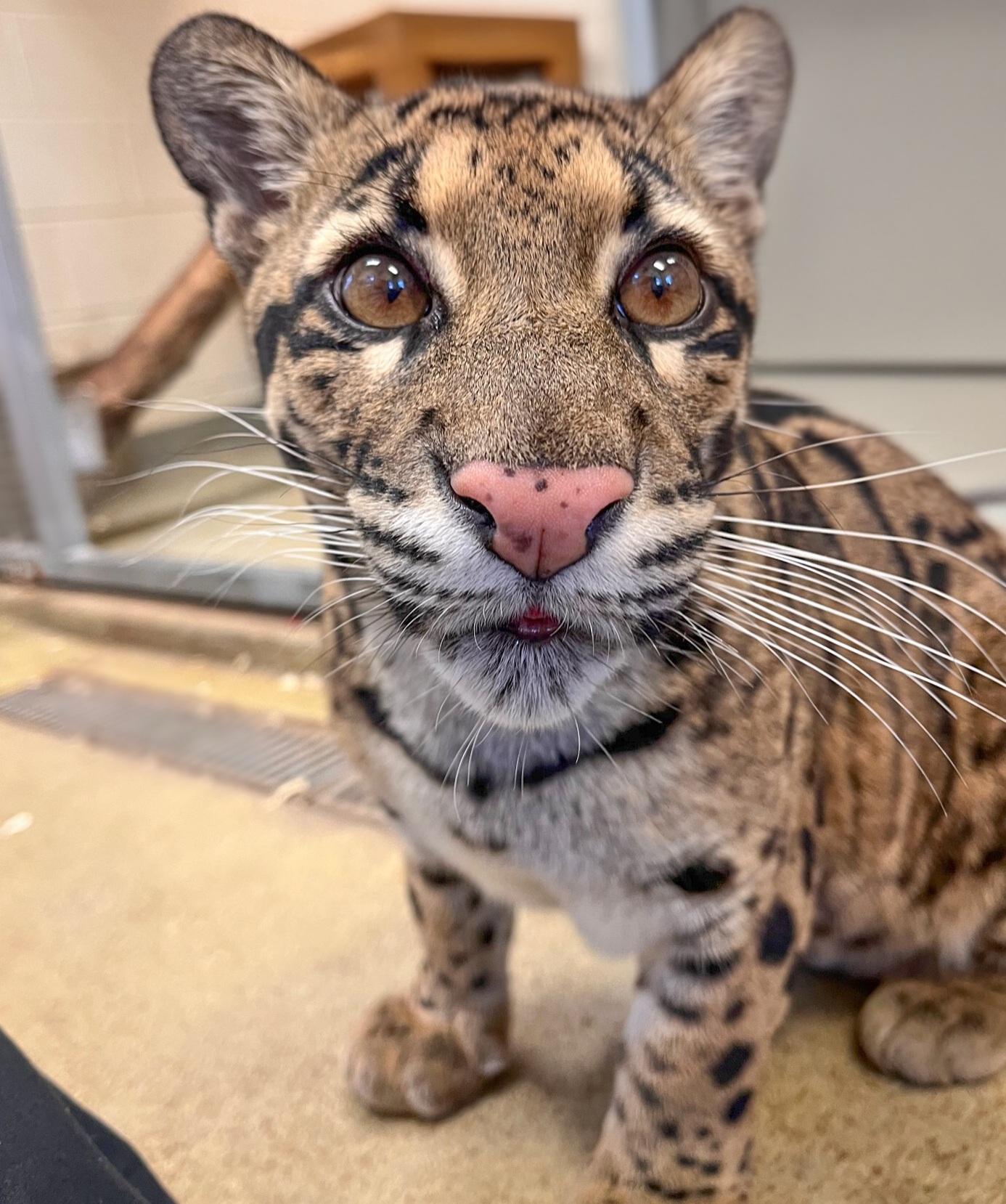
Summary of Zoo Atlanta welcomes Boon the clouded leopard:
Zoo Atlanta recently welcomed Boon, an 8-year-old female clouded leopard, from Nashville Zoo as part of an AZA Species Survival Plan. Clouded leopards are mid-sized wild cats, distinct from true leopards, and are classified as Vulnerable due to habitat loss, illegal trade, and poaching. Boon serves as an ambassador for her species, raising awareness about conservation efforts supported by Zoo Atlanta’s programs, including initiatives in Cambodia aimed at anti-poaching. Currently, she is in a month-long quarantine and will later be on display in the zoo’s Complex Carnivores section. For more information, visit Zoo Atlanta’s website.
- Zoo Atlanta’s introduction of Boon, a clouded leopard, highlights conservation efforts.
- Understanding the biological and ecological characteristics of the clouded leopard.
- Challenges facing clouded leopards in the wild, including habitat loss and poaching.
- The role of Zoo Atlanta and its initiatives in wildlife conservation.
- Importance of awareness and education in combating wildlife trafficking.
Zoo Atlanta has recently added an exciting addition to its collection in the form of Boon, an 8-year-old female clouded leopard. Boon made her journey to Atlanta on April 14, 2026, from the Nashville Zoo at Grassmere, following recommendations from the Association of Zoos and Aquariums (AZA) Species Survival Plan® (SSP). This transfer not only enriches Zoo Atlanta’s animal population but also emphasizes the larger commitment to wildlife conservation.
Clouded leopards possess distinguishing features that set them apart from typical leopards. Unlike their larger cousins, clouded leopards belong to the genus Neofelis. These mid-sized felines weigh between 25 and 51 pounds, making them remarkable climbers. Their adaptations include the longest tail in relation to body size among wild cats, which serves as a counterbalance during climbing. Moreover, their unique rotating ankle joints enable them to navigate trees headfirst with agility.
Geographically, clouded leopards inhabit various forested regions throughout Asia, stretching from the Himalayan foothills to parts of northern India, Bhutan, and extending into Southeast Asia and southern China. The habitat they occupy is crucial not only for their survival but also for the ecology of these regions. The International Union for Conservation of Nature (IUCN) has classified this species as Vulnerable due to population declines attributed to multiple factors.
As global awareness increases regarding environmental challenges, understanding what threatens populations such as the clouded leopard is essential. The two main factors leading to their decline are habitat destruction from deforestation and poaching. Timber harvesting and agricultural expansion contribute significantly to the degradation of their natural environment, while illegal hunting poses an additional threat. Clouded leopards often fall victim to snares set by poachers, leading to injury or death. Limited research into their populations adds another layer of concern, as conservationists strive to make informed decisions on protective measures.
Boon embodies the hope of conservation efforts ignited by organizations like Zoo Atlanta. Gina Ferrie, PhD, Vice President for Collections and Conservation, remarked on Boon’s role as an ambassador for her species. Her presence in the zoo will contribute to raising awareness about the plight of clouded leopards and the importance of conservation. Each visit to the zoo supports various conservation programs, showcasing the need for public engagement in wildlife protection.
Zoo Atlanta actively participates in several conservation initiatives, one of which is the Wildlife Alliance. This program focuses on protecting clouded leopards in Cambodia by implementing effective anti-poaching measures. The project specifically targets snare removal within the Cardamom Rainforest—an area critical for the survival of clouded leopards and other endangered mammals. By strengthening law enforcement patrolling, the project not only protects these animals but also supports local ecosystems.
In addition to these conservation efforts, Zoo Atlanta is a member of the Wildlife Trafficking Alliance. This coalition, comprising AZA-accredited zoos, aquariums, and nonprofit organizations, focuses on raising awareness regarding illegal wildlife trade while working to reduce consumer demand for wildlife products. In 2025, Zoo Atlanta became part of the Wildlife Confiscations Network, which aims to provide coordinated support for law enforcement agencies addressing wildlife trafficking issues. This network prioritizes the welfare of confiscated animals and facilitates their rehabilitation and proper care.
Although Boon is currently behind-the-scenes in a routine quarantine period intended for health assessment, zoo visitors and members can anticipate her debut in the Complex Carnivores section of the zoo shortly. The quarantine provides zoo staff with the opportunity to observe her health and behavioral patterns, ensuring a smooth transition into her new home.
This procedure highlights the standards upheld in zoological management. Ensuring the health and well-being of animals in zoos is paramount. Veterinary staff will closely monitor Boon and perform necessary health evaluations before she interacts with other animals or the public. Proper acclimatization helps reduce any potential stress on the leopard during this transition.
Zoo Atlanta’s dedication to education and outreach is also a critical aspect of its mission. By offering programs and activities for visitors, the zoo strives to foster a deeper understanding of clouded leopards and the challenges they face in the wild. Educational initiatives not only inform the public about specific species but also inspire action regarding wildlife protection. Such educational efforts create informed advocates for conservation within the community.
The plight of clouded leopards serves as a reminder of the broader issues affecting wildlife worldwide. As individuals, there are meaningful ways to contribute to conservation. From choosing ethically sourced products to supporting wildlife conservation organizations, our collective efforts can make a positive impact. Raising awareness within communities further fosters a culture of respect and protection for wildlife.
Zoo Atlanta’s contribution to conservation, highlighted through Boon’s arrival, emphasizes the interconnectedness of species and ecosystems. Clouded leopards are just one of many species facing threats due to human activities, and they remind us that conservation requires collective responsibility. With each visit to the zoo, members and guests support the ongoing efforts to protect wildlife and their habitats.
Understanding the dynamics of clouded leopards enables a broader conversation about biodiversity loss and habitat destruction on a global scale. As we witness species like the clouded leopard declining, it urges a call to action to protect these magnificent creatures. Each person can play a role in conserving wildlife through advocacy, education, and support for initiatives that prioritize animal and habitat preservation.
Boon is a symbol of hope and a beacon for clouded leopard conservation efforts. Her presence at Zoo Atlanta will inspire appreciation for these remarkable cats and contribute to the ongoing dialogue about the critical need for conservation. With Zoo Atlanta’s commitment to education, wildlife care, and conservation initiatives, Boon’s story is a testament to the collective efforts required to secure a future for clouded leopards and their habitat.
