
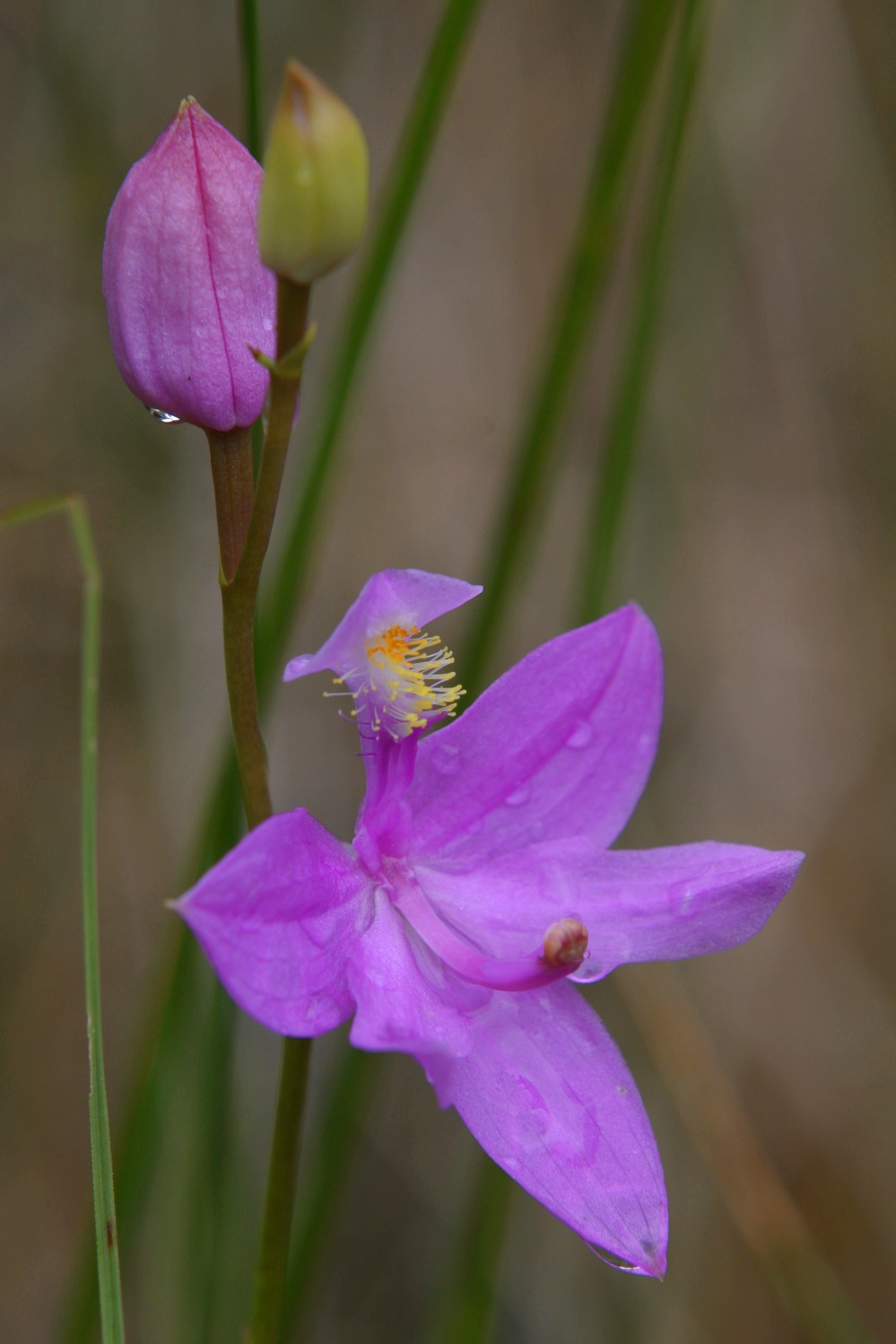
Summary of Behind the Blooms: How CREW and Bowyer Farm Are Helping Orchids Thrive:
The article “Behind the Blooms: How CREW and Bowyer Farm Are Helping Orchids Thrive” highlights the collaborative efforts of the Cincinnati Zoo’s Center for Conservation and Research of Endangered Wildlife (CREW) and Bowyer Farm in cultivating and preserving orchid species. It discusses their innovative approaches to orchid care and conservation, contributing to the health and sustainability of these plants in their habitats.
- CREW’s Role in Orchid Conservation
- Bowyer Farm and Its Importance
- The Science Behind Orchid Care
- Impact on Biodiversity and Ecosystems
- Community Involvement and Education
CREW’s Role in Orchid Conservation
The Cincinnati Zoo’s Center for Conservation and Research of Endangered Wildlife (CREW) plays a pivotal part in the conservation of orchids, especially species that are endangered in their natural habitats. Orchids, known for their stunning beauty and diversity, face significant threats due to habitat loss, climate change, and illegal collection. CREW employs extensive research methodologies to understand the lifecycle and habitat needs of various orchid species. The primary goal is to develop conservation strategies that can be applied both in situ and ex situ.
CREW’s work includes tissue culture propagation and seed germination techniques. These advanced methods allow for the cultivation of orchids in controlled environments. By creating a sustainable population of orchids in captivity, CREW ensures that these species are available for reintroduction into their natural habitats, ultimately contributing to the preservation of genetic diversity. This approach allows researchers to monitor orchid health, study their requirements, and evaluate how they respond to environmental changes, thus informing broader conservation strategies.
Bowyer Farm and Its Importance
Bowyer Farm, a vital component of the Cincinnati Zoo and Botanical Garden’s agricultural efforts, specializes in orchid care and maintenance. The farm serves as a sanctuary for endangered orchid species. Its location and facilities are designed to support both cultivation and research, providing a setting where CREW researchers can engage in practical and innovative conservation practices.
Bowyer Farm focuses on the cultivation of native and exotic orchids, bolstering efforts to produce healthy, genetically diverse plants. This farm’s strategic importance is underscored by its role in providing educational experiences for the community, illustrating the critical nature of conservation work. Visitors are encouraged to understand the ecological roles of orchids and their interconnections with various species. By engaging the public, Bowyer Farm enhances the awareness of threatened plant species and the critical need for conservation.
The Science Behind Orchid Care
Caring for orchids is an intricate process that requires a deep understanding of plant biology and environmental conditions. Orchids are epiphytes, meaning they often grow on trees, absorbing moisture and nutrients from the air. This lifestyle influences how these plants are cultivated. To mimic natural conditions, CREW and Bowyer Farm replicate humidity levels, light exposure, and watering cycles to create an optimal environment for growth.
Orchid care involves the use of sterile techniques during propagation. Seed germination is a process that requires specific fungi, known as mycorrhizae, to facilitate nutrient uptake in young seedlings. CREW has established protocols for growing orchids without traditional soil, using media that can support the delicate root systems of orchids.
A significant challenge in orchid conservation is the threat posed by environmental fluctuations. Changes in climate, such as rising temperatures and altered rainfall patterns, impact orchid species directly. CREW measures these changes, studying their effects on growth patterns and germination success. This ongoing research is critical for assessing which orchids can survive climate challenges and how best to support their populations.
Impact on Biodiversity and Ecosystems
Orchids play a crucial role in local ecosystems, aiding in pollination and providing habitat for various species. They are often indicators of ecological health. A decline in orchid populations can signify broader environmental issues, including habitat degradation or loss. Thus, conserving orchids contributes to maintaining biodiversity, which is vital for ecosystem stability and resilience.
The reintroduction of cultivated orchids into their natural environments is a critical goal of CREW and Bowyer Farm. This process not only helps to bolster orchid populations but also supports the species that interact with orchids, including pollinators and other plant life. These efforts contribute to the preservation of the entire ecosystem, aiding in the recovery of flora and fauna that rely on orchids for survival.
Community Involvement and Education
Community engagement is integral to CREW’s and Bowyer Farm’s conservation strategies. Educational outreach programs designed to inform the public about the significance of orchids and their plight are essential for fostering a culture of conservation. The farms’ interactive workshops and presentations aim to educate visitors about the ecological importance of orchids.
These programs empower individuals to become active participants in conservation efforts. By fostering an understanding of the interconnectedness of species, CREW facilitates a sense of responsibility within the community. The involvement of local schools in orchid conservation at Bowyer Farm has been invaluable, creating opportunities for students to participate in hands-on learning experiences.
Incorporating technology also plays a part in outreach. Virtual tours and online workshops allow a broader audience to engage with the conservation work of CREW and Bowyer Farm. These platforms enable discussions on topics ranging from plant biology to environmental stewardship.
Orchid conservation serves as a model for broader conservation methodologies. By emphasizing scientific research, community involvement, and educational outreach, CREW and Bowyer Farm are making strides in ensuring that orchids not only survive but thrive. This commitment to conservation reflects a understanding that every species has a role to play in sustaining our planet’s rich biodiversity.
More than simply preserving beauty, the work being done to conserve orchid species through initiatives by CREW and Bowyer Farm exemplifies a comprehensive approach to wildlife conservation. By systematically addressing the scientific, ecological, and educational components of conservation, the overarching goal is to cultivate a more sustainable existence for both humans and wildlife.
